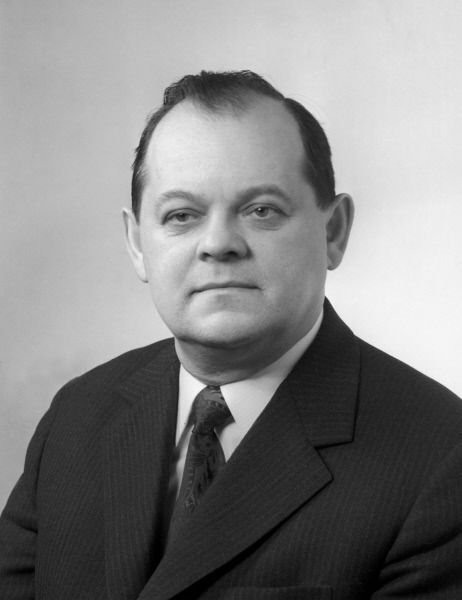
The 40th anniversary of the Chernobyl nuclear power plant accident is a reason to talk about many things. About the fatal flaws in the design of Soviet high-power reactors and the mistakes made by Anatoly Dyatlov’s ill-fated shift at Reactor No. 4. About the heroism of firefighters like Vladimir Pravik, who battled the flames at the plant, and the courage of hundreds of others involved in the cleanup. About the debates among Soviet bureaucrats and scientists regarding what really happened in Pripyat. Finally, about the construction of the one-of-a-kind sarcophagus over the explosion-ravaged Chernobyl reactor. But most importantly, it’s worth recalling how the Kremlin first denied the disaster on April 26, 1986, then concealed its true scale—and ultimately lost the battle against reality in less than three weeks.
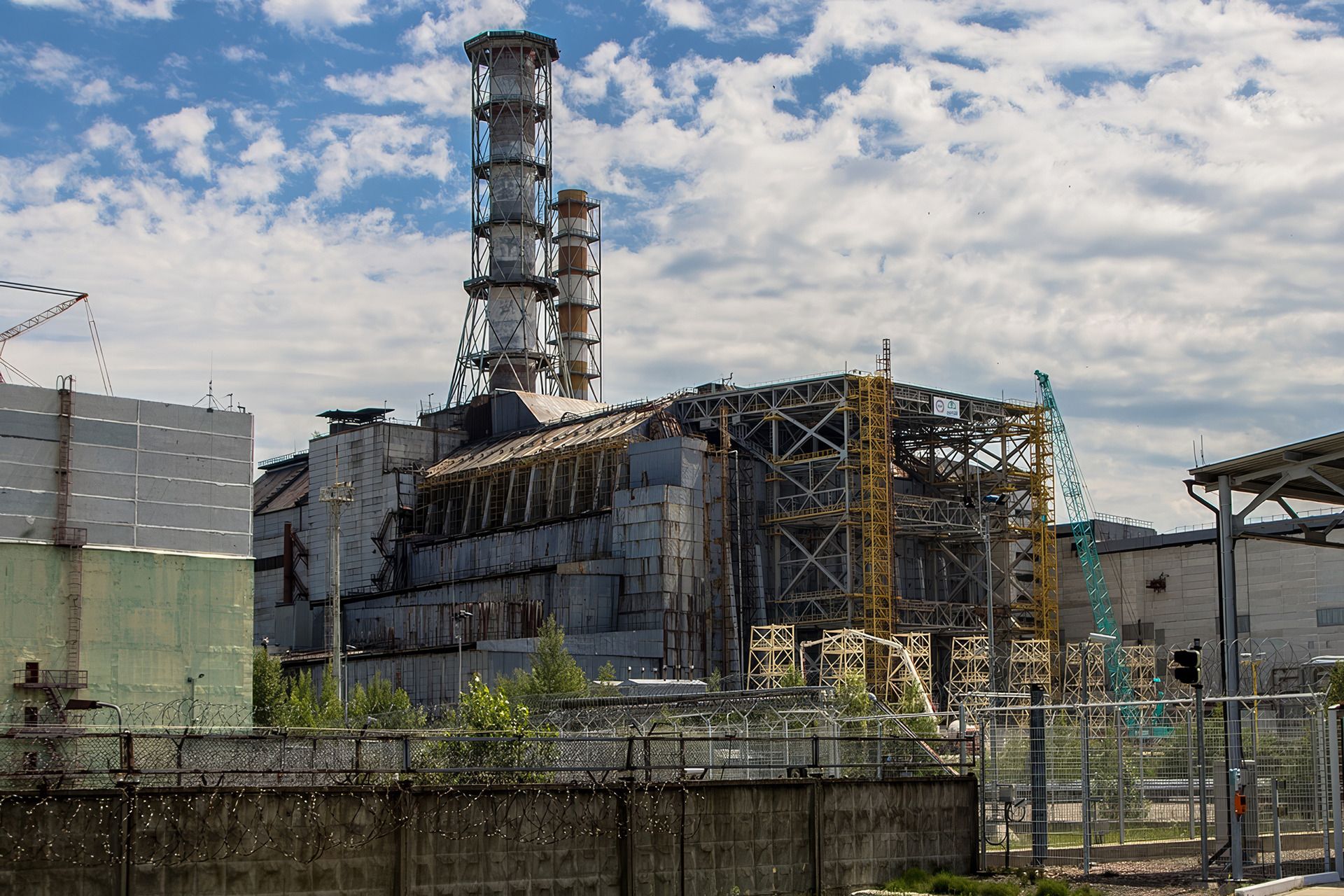
Chernobyl NPP, 4th power unit, 2013. Image: Wikipedia / Arne Müseler
“In the first hours and even the first day after the accident, there was no understanding that the reactor had exploded and that there had been a massive nuclear release into the atmosphere,” — this is how, years later, then de facto head of the USSR Mikhail Gorbachev recalled the Chernobyl nightmare. In April-May 1986, he was, willingly or not, a kind of “chief liquidator” of the disaster, and every word he spoke about the events at Chernobyl carried enormous weight for those around him.
On the point of “no understanding,” Mikhail Sergeyevich was not being disingenuous. Yes, after the catastrophic 01:23:47 on the night of April 26 at Reactor No. 4, Moscow’s higher-ups were promptly informed of the emergency at the dangerous facility. According to the main chronicler of the Chernobyl tragedy, British historian Adam Higginbotham, key civilian and military leaders—despite the late hour—learned about the incident in Pripyat within an hour of the explosion. But the devil was in the details.
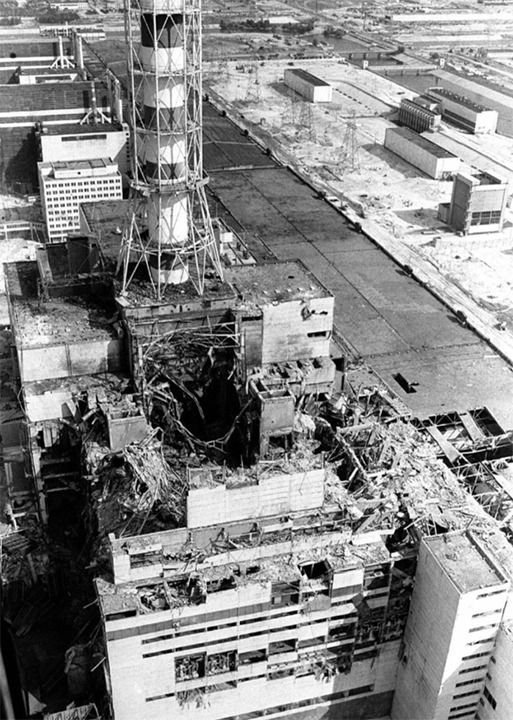
The destroyed Unit 4 in the first hours after the explosion, April 26, 1986. Image: Wikipedia / IAEA Imagebank
Chernobyl NPP staff couldn’t contact the main offices (or, more accurately, bedrooms) in Moscow directly. Information reached the Kremlin through several parallel chains—via Ukrainian leaders, all-Union bureaucratic departments, and, inevitably, the KGB. Each link in the chain unwittingly toned down the drama in the reports coming “from below” before passing the information up. Moreover, paradoxically, the sheer scale of the disaster itself worked against an adequate assessment. In the first hours after the explosion, the power engineers from Pripyat were so shocked that they could not clearly describe what was happening at the plant.
However, the bureaucratic logic of the Soviet system required a clear document from the chief on the ground. Around 10:00, such a report was signed by Chernobyl NPP director Nikolai Bryukhanov; in fact, the text had been drafted by his subordinates during the night. The document did not contain outright lies, but left dangerous omissions.
- On one page of typed text, the explosion, the destruction of the reactor hall roof, and a fire (already completely extinguished) were described. One person was missing, one had died. The word “radiation” was not mentioned. The report stated that radiation levels reached 1,000 milliroentgens per second, a tolerable 3.6 roentgens per hour. But it did not explain that this was the upper limit of the measuring devices used.
- Adam Higginbotham, British historian
Bryukhanov’s report convinced Soviet leaders that nothing extraordinary had happened in Pripyat. There was a fire, the roof collapsed, one worker died—regrettable, but similar incidents happened weekly in the USSR. Such accidents were inevitably hushed up, and responsible managers were dealt with behind closed doors. The unwritten rule applied to nuclear power as well. In the mid-1980s, several major accidents occurred at Soviet nuclear plants—including, notably, Chernobyl itself. One of them, on June 27, 1985, at the Balakovo plant near Moscow, resulted in mass casualties. Due to an error during commissioning, 14 power engineers were boiled alive—almost no one in the USSR knew about this monstrous tragedy until the very end.
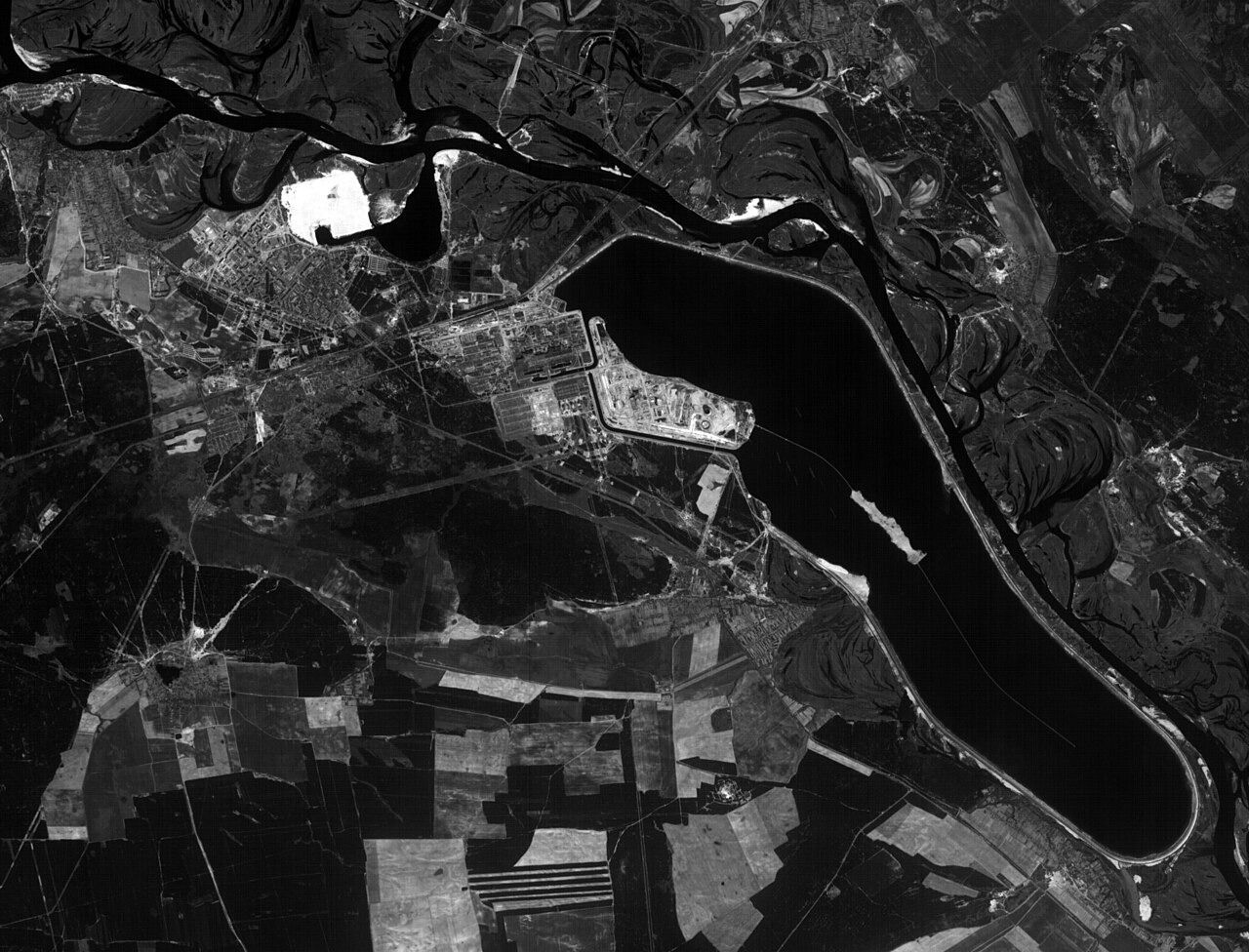
Satellite image of Pripyat, May 1, 1986. Image: Wikipedia / Spot World Heritage du CNES
That’s why representatives of first the Kyiv, then the Moscow leadership initially traveled to Pripyat firmly convinced that the Chernobyl accident was a local problem. The power engineers needed to be brought to their senses, the damaged reactor restarted, and only then should the situation be sorted out.
Give me back my 1957
Worst of all, the Soviet leadership believed they had—so they thought—successful experience not just in hiding a nuclear plant incident, but in covering up a massive radiation release. This refers to the 1957 incident—the Kyshtym disaster, an accident at the Mayak chemical plant in Chelyabinsk region.
Back then, Soviet nuclear workers in the Southern Urals allowed a waste storage tank to explode, leaving a radioactive trail over several regions. The authorities never acknowledged what happened. The Kyshtym topic was completely taboo in Soviet media, and the resettlement of residents from affected areas (fewer than 13,000 people) was stretched over several years. Later it turned out that by the late 1950s the CIA had enough resources to learn about the tragedy in the Urals. But Soviet leaders considered the Kyshtym experience a perfect example of hiding unpleasant truths.
Eyewitnesses recalled that on April 26 in Pripyat, first Kyiv, then Moscow officials openly referred to the 1957 events as a legitimate precedent. They said, “We managed then, we’ll manage now” — so there should be no publicity and no evacuation from the contaminated atomic city. Ironically, this line was pushed most actively not by party bosses, security officials, or even energy managers, but by representatives of the Union Ministry of Health.
Boris Shcherbina, head of the government commission for disaster relief. Image: Wikipedia / riamediabank.ru
Workers from other agencies acted in the same spirit. For example, on the morning of April 26, the KGB cut Pripyat off from long-distance communications and did not allow residents to leave the city without special permits. Plant director Bryukhanov barely managed to arrange for his pregnant daughter to leave. The Kyiv regional committee told local party organizations: the city must go on as if nothing had happened. They didn’t even cancel the Pioneer meeting at one of Pripyat’s schools.
Of the top officials, only one openly called for evacuating Pripyat residents in the first hours of the tragedy—Vitaly Sklyarov, Minister of Energy of the Ukrainian SSR. The head of the government commission from Moscow, Deputy Chairman of the Council of Ministers Boris Shcherbina—the character played by Stellan Skarsgård in the HBO series—initially dismissed the idea sharply. The Moscow envoy called Sklyarov a panicker and angrily snapped, “We’ll disgrace ourselves before the whole world.”
Only on the morning of April 27 (about 30 hours “after”) did Shcherbina admit the Ukrainian was right and order preparations for evacuation. In reality, it began at 2:00 p.m. For most of Pripyat’s 50,000 residents, this decision was a shock. Life in the city was inseparably linked to the Chernobyl plant, and many had heard rumors about the incident during the night of April 26. Even relatives of the first victims at Reactor No. 4 had little idea of the real scale of the disaster or the level of radiation in the city: up to 80 roentgens per hour in some places—hundreds of times above the upper safety limits.
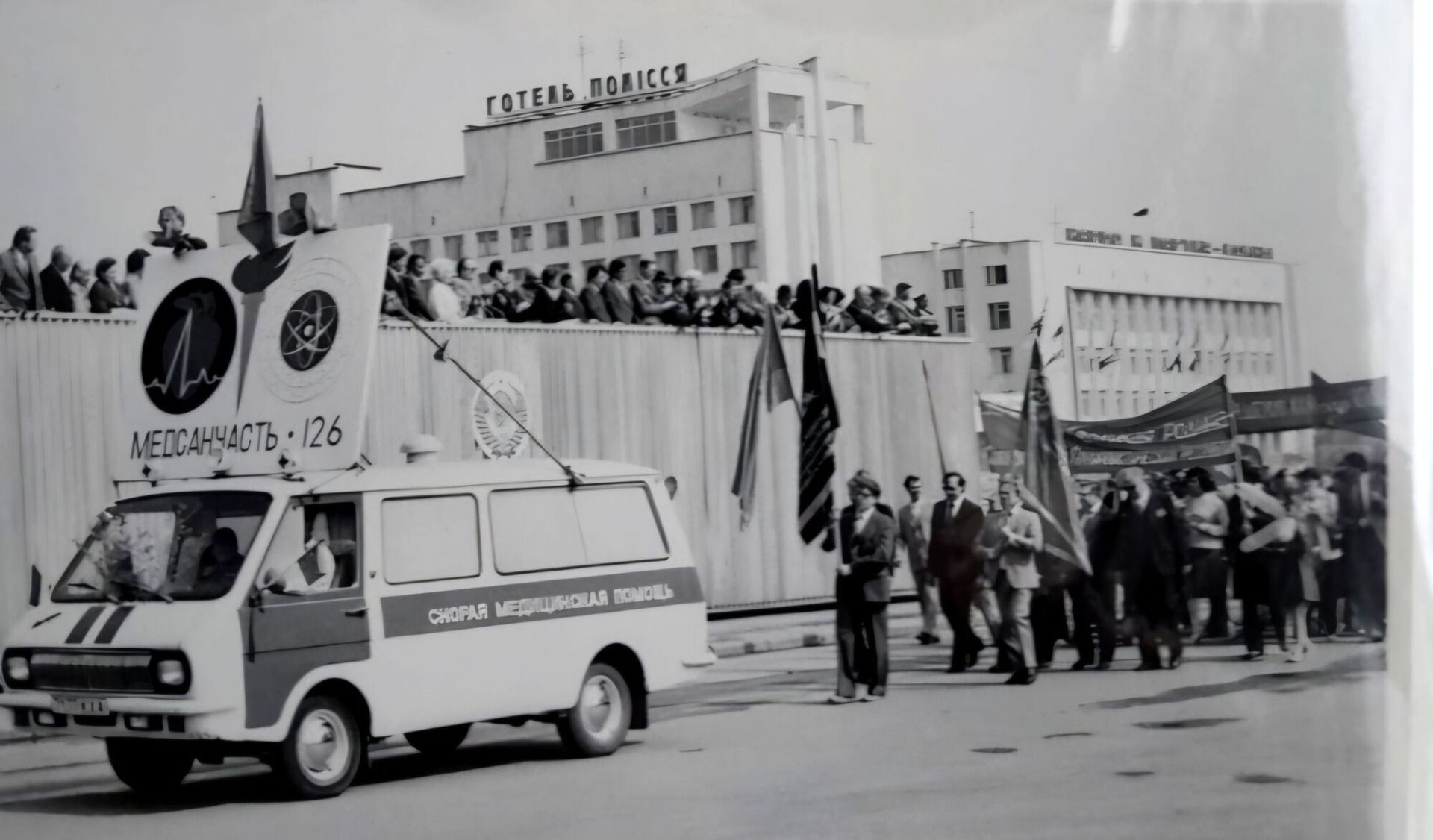
Pripyat before the accident: May Day demonstration. Image: obozrevatel.com / State Agency for Exclusion Zone Management (Ukraine)
On the afternoon of April 27, stunned Pripyat residents listened to the city radio announcer’s message. A pleasant female voice in clear Russian with a slight Ukrainian accent announced:
- Due to the accident at the Chernobyl nuclear power plant, adverse radiation conditions are developing in the city of Pripyat. To ensure the complete safety of residents, especially children, it has become necessary to carry out a temporary evacuation of city residents to nearby settlements in Kyiv region. It is recommended to take documents, essential items, and food to meet immediate needs.
Later, evacuees admitted that at the time they didn’t grasp the seriousness of what was happening. Few doubted the local authorities’ words: this was a temporary measure, and after three days they would be allowed to return to their young, beloved city.
Somewhere near the chess results
In the mid-1980s, the Soviet system was still strong enough to hide unpleasant truths or distort them for its own citizens. But with the Chernobyl disaster, there was another nuance that set it apart from the Kyshtym events 30 years earlier.
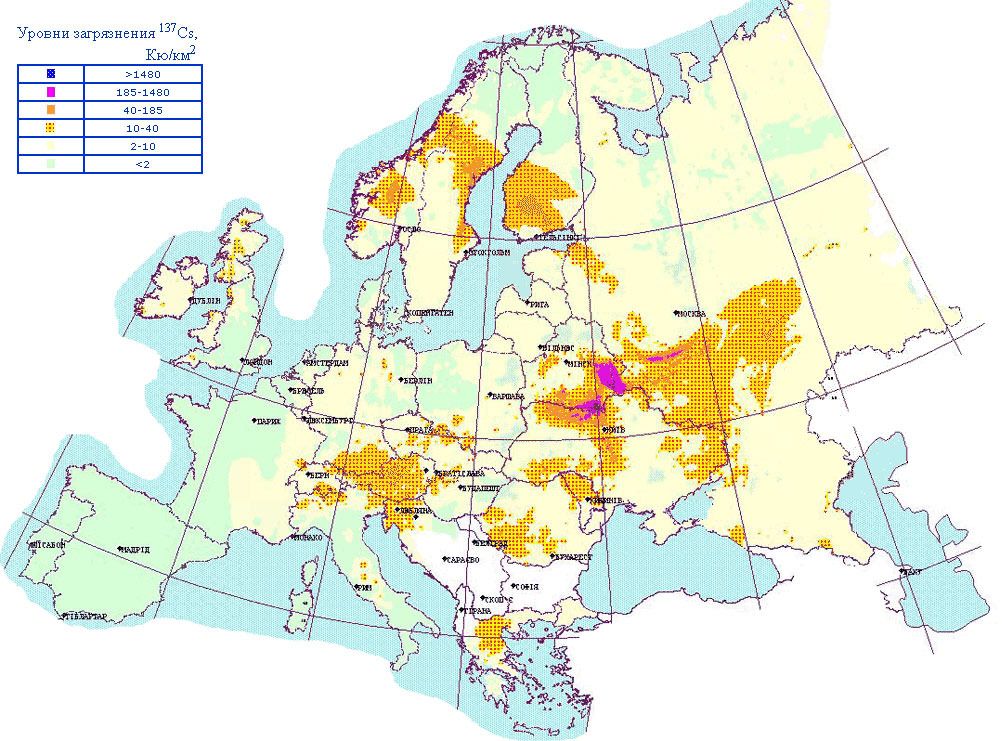
Unlike the Mayak plant, Chernobyl NPP was not deep in the Soviet hinterland, safely hidden from any state borders. In late April 1986, strong southern and southeastern winds blew across Ukraine. The wind carried emissions from the plant—full of cesium, iodine, cobalt, xenon, and other highly toxic elements—northward.
Spread of Chernobyl emissions across Europe. Map: chornobyl.ne
On the morning of April 28, Swedish nuclear workers at the Forsmark plant detected abnormal radiation levels. Soon, colleagues from other European countries confirmed their findings. Yet none of them had equipment malfunctions at their own plants. That afternoon, the Swedish Foreign Ministry sent inquiries to Eastern Bloc countries and a communiqué to the IAEA. The cat was out of the bag—weather data pointed southeast of the Baltic Sea.
At the same time, the Soviet Politburo, after a tense meeting, finally decided to acknowledge the accident at Chernobyl. But it was old-guard figures like Andrei Gromyko and Yegor Ligachev who prevailed: “Phrase it so as not to cause undue alarm or panic.” That evening, a statement in that spirit was indeed broadcast on Soviet radio and television—at the very end of the traditional news programs.
- From the Council of Ministers of the USSR. An accident has occurred at the Chernobyl nuclear power plant. One of the nuclear reactors has been damaged. Measures are being taken to eliminate the consequences of the accident. Assistance is being provided to the victims. A government commission has been established.
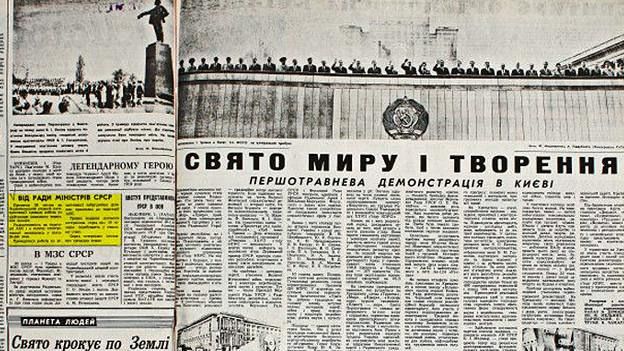
The next day in Kyiv, several newspapers published the terse text. Editors carefully placed the Chernobyl notes so that only the most attentive readers would notice them—on the third or fourth pages, next to chess match results or simple “social” news, like pensioners fighting to get home telephones.
A typical example of one of the first reports about the disaster in Ukrainian newspapers: a short note hidden behind a large May Day report. Image: BBC
Apparently, even the system itself considered this “non-panicky” admission a mockery. On the evening of April 29, Gosteleradio finally aired a slightly more informative message—admitting the explosion at Chernobyl, the deaths of two employees, and the evacuation of Pripyat. But Soviet media still said nothing about radioactive fallout or the dangerous plume stretching across half of Europe.
“It’s a ravine, radiation accumulates there”
But Gorbachev and his team could not solve the Chernobyl problem according to the Kyshtym scenario. The wind patterns were not the only obstacle, as mentioned above; there were other reasons. It wasn’t just that Pripyat was a few hours’ drive from two union republic capitals (Minsk and Kyiv) and close to Russia’s central region.
Another factor was the Soviet Union itself: there were more foreigners, they behaved more freely, and Soviet citizens themselves believed in the system much less than in 1957.
Western reporters working in the USSR did not believe the dry bulletins of April 28 and 29. Journalists tried to dig for themselves, but with mixed results. For instance, Luther Uttington of United Press took the word of a random acquaintance—who claimed to be a Ukrainian with emergency services connections—and published a sensational fake. In late April, European and American media, citing Uttington, reported “2,000 people killed in a nuclear nightmare.” A few days later, the New York Post wrote, without evidence, about “15,000 bodies buried in a nuclear graveyard.”
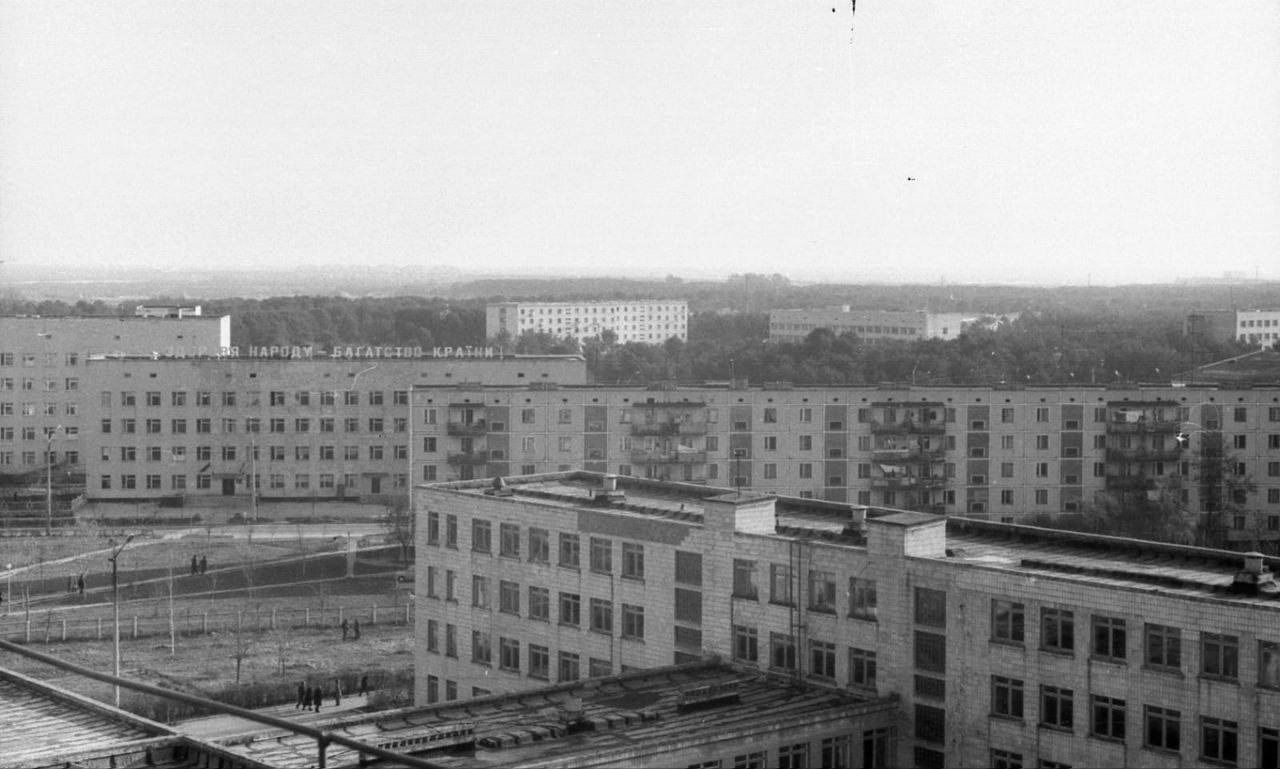
View of Pripyat, 1980s. Image: obozrevatel.com / State Agency for Exclusion Zone Management (Ukraine)
Such fabrications infuriated the Kremlin and Gorbachev personally. In those days, the new General Secretary, as was his habit, mostly waited, but in crisis moments leaned toward the position of communist hardliners. For example, Gorbachev insisted that the traditional May 1 parade in Kyiv—one of the two main holidays on the official calendar—go ahead as usual, as if there were no exploded nuclear plant 130 kilometers from the Ukrainian capital. Gorbachev and the conservatives around him were determined to get an ideologically correct picture from Ukraine at any cost.
Vladimir Shcherbitsky, First Secretary of the Communist Party of Ukraine, tried to resist Moscow’s will. But the experienced party boss could not defend Kyiv. Gorbachev refused to listen to any arguments against May Day, including the changed wind direction—which now blew not toward distant Baltic states but straight south, right at the republic’s capital.
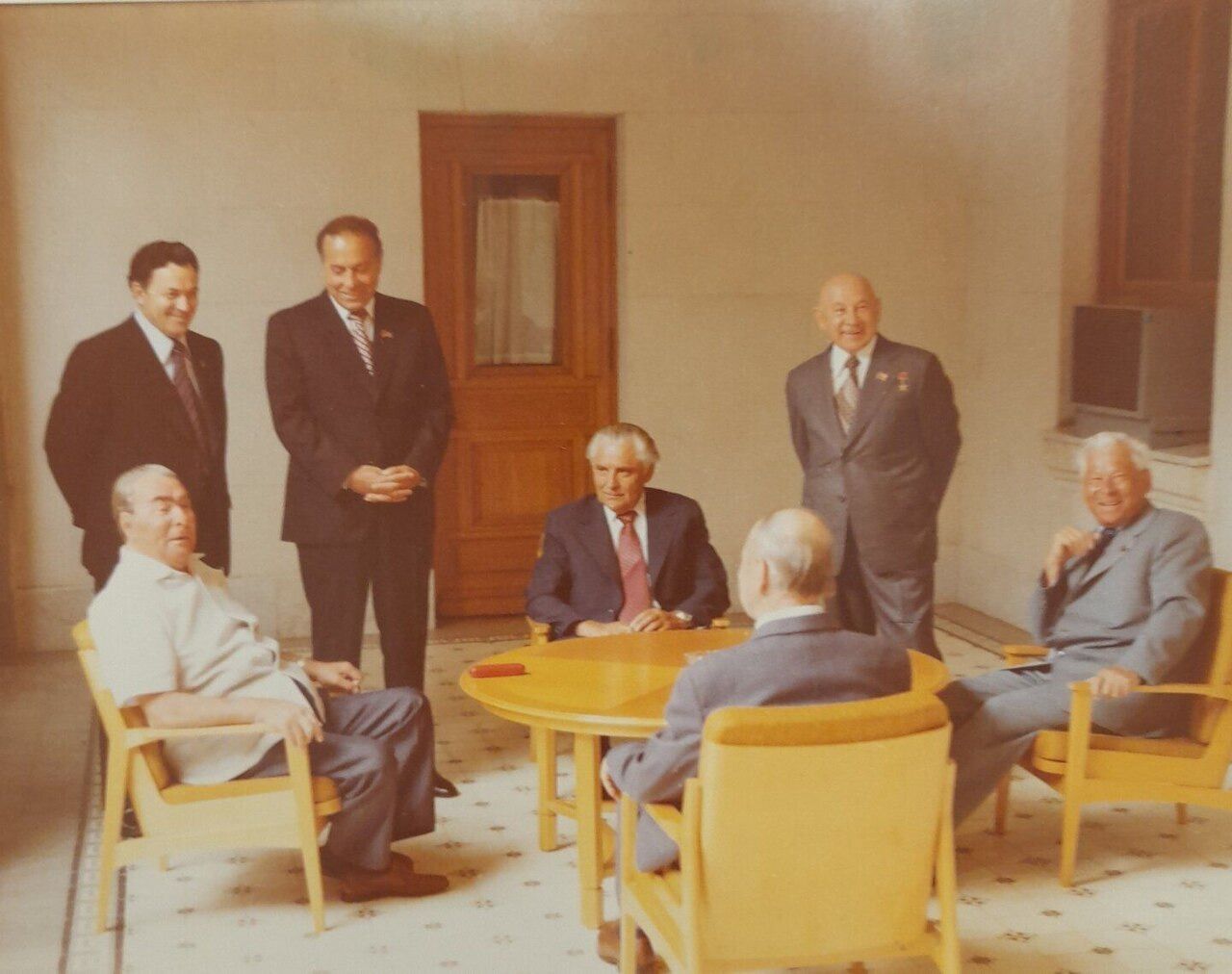
Shcherbitsky (center, seated) relaxing in Crimea with high-ranking members of Leonid Brezhnev’s inner circle, 1981. Image: Wikipedia
Shcherbitsky’s staff later recalled how, on May 1, 1986, their famously punctual boss arrived at the parade only at its very start—something the head of Soviet Ukraine had never done before. Usually composed, Vladimir Vasilievich did not hide his irritation and anger. He told his subordinates:
— I told him we shouldn’t hold a parade on Khreshchatyk. This isn’t Red Square, it’s a ravine, radiation accumulates there. And he says: you’ll put your party card on the table if you mess up the parade.
Shcherbitsky never named “him” by name or surname. But Kyiv officials understood who in the USSR alone by position could threaten their boss with expulsion from the party. A few minutes later, the parade began, and the Ukrainian leader, forcing himself, waved to the marchers beneath the red banners with a strained smile.
The Ukrainian SSR leadership deserves some credit. The May 1, 1986 parade was half as long as usual and had half as many participants as customary. Shcherbitsky and his people could hardly have achieved more—at least, not without open conflict with the system that raised them.
The taboo is lifted
Behind the scenes of the Chernobyl disaster—and other Soviet man-made disasters—remains the question: why was the Soviet government so reluctant to acknowledge what were, from the outside, obvious emergencies? Surely the authorities weren’t staffed exclusively by pathological liars.
I would suggest that it’s appropriate to imagine three main pillars of the Soviet struggle against objective reality:
- The bureaucratic nature of the regime. Its backbone was not revolutionary heroes, but unelected bureaucrats and nomenklatura. By its nature, this class valued stability and order and hated any kind of emergency. In such a system, openly admitting any major emergency called into question the jobs of dozens or even hundreds of responsible managers;
- Toxic paternalism of Soviet bureaucrats. Over the years, Soviet elites developed a special attitude toward their people. No one said it aloud, but in practice, citizens were treated either as a collective troubled teenager or as mentally unstable. The main thing in any unclear situation was thought to be: don’t let these unreliable comrades panic, shield them from any frightening information, or they’ll only make things worse.
- The Cold War factor. The Kremlin viewed domestic affairs as just another front in the confrontation with the US and its allies. It was a zero-sum game: if the USSR admitted a blunder (especially in such a politically important area as nuclear energy), it automatically meant a point for the West.
Gorbachev five days before the tragedy on a visit to East Germany, April 21, 1986. Image: Bundesarchiv, Bild 183-1986-0421-049 / Rainer Mittelstädt / CC-BY-SA 3.0
But by mid-May 1986, the three pillars of Soviet omertà were not as strong as before. Above all, keeping the truth about the April 26 explosion from Soviet citizens was impossible due to the already completed evacuation of Pripyat and the transfer of accident victims to Moscow’s Hospital No. 6. Rumors about Chernobyl were circulating in Moscow, Kyiv, and elsewhere in the Soviet Union.
As for Kyiv specifically, the May Day case showed that the local leadership was not devoid of local patriotism—even in defiance of Kremlin interests. The nature and scale of what happened at Chernobyl were too colossal for bureaucrats to obediently hush up the truth, as with a routine train derailment or industrial accident. The anti-Western line in denying reality also lost its meaning: thanks to scientific progress, the West already knew about the disaster in Ukraine. Moreover, a couple of weeks after the explosion, even the most hardline conservatives in the Kremlin had no doubt that without broad international help, the USSR could not cope with the consequences.
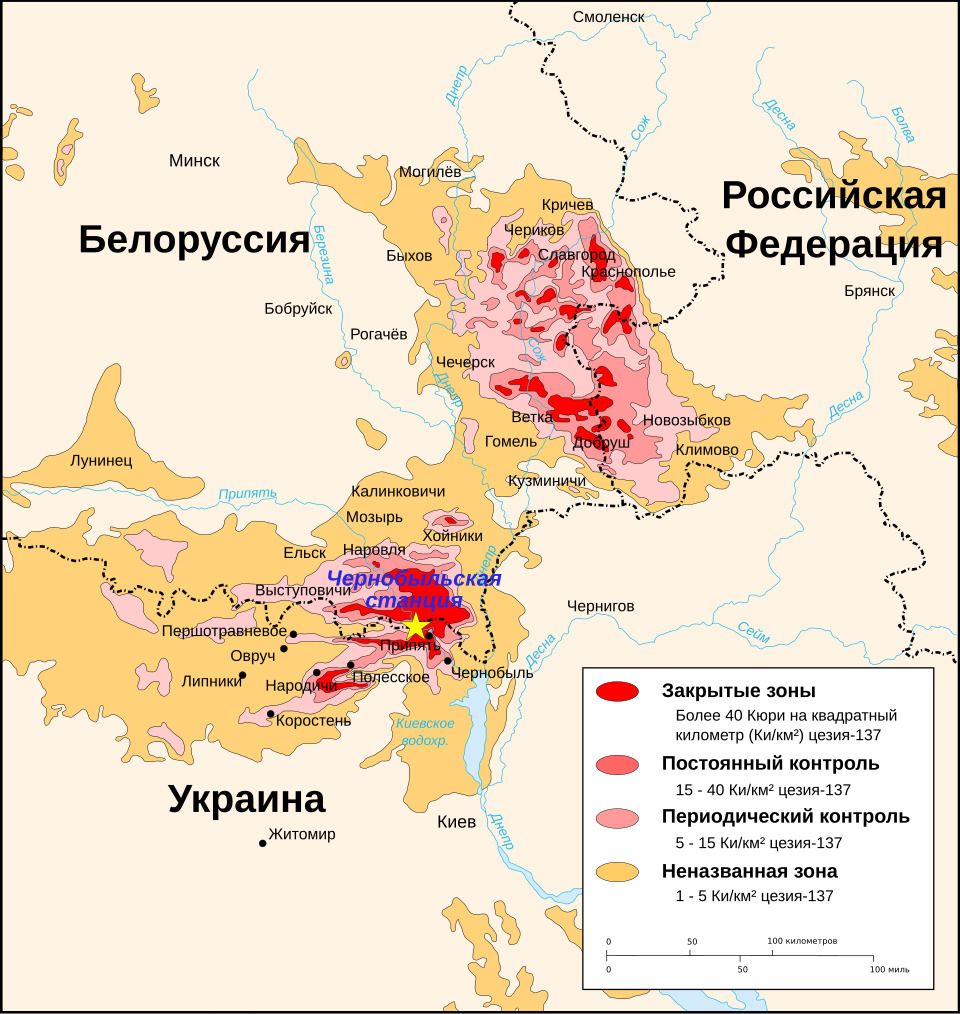
The aftermath of the Chernobyl disaster as of 1996. Map: Wikipedia
On May 14, 1986, all this resulted in an unprecedented event: Gorbachev personally spoke about the Chernobyl disaster on the “Vremya” TV program. For the first time in Soviet history, the head of state publicly acknowledged a man-made disaster. And it can’t be said that the General Secretary’s speech was merely formal. Gorbachev mentioned possible technical causes of the tragedy, directly spoke about the radiation-contaminated zone around Pripyat, and admitted that nine people had already died from the accident and around 300 were hospitalized. Finally, the politician expressed sympathy for the victims’ families and, in a very human way, thanked everyone who contributed to the disaster response.
— I can say with full confidence—despite the severity of what happened, the damage was limited mainly thanks to the courage and skill of our people, their sense of duty, and the coordinated actions of all those participating in the cleanup.
But Gorbachev could not instantly break with the toxic Soviet legacy. After the “informative and humane” opening and middle of his speech came a hysterical section devoted to the foreign policy aspect. The General Secretary accused the US and NATO of an “anti-Soviet campaign” and “piles of lies,” as if he didn’t realize that the Kremlin’s silence in the first days after the explosion itself inspired Western journalists to invent stories about thousands of deaths.
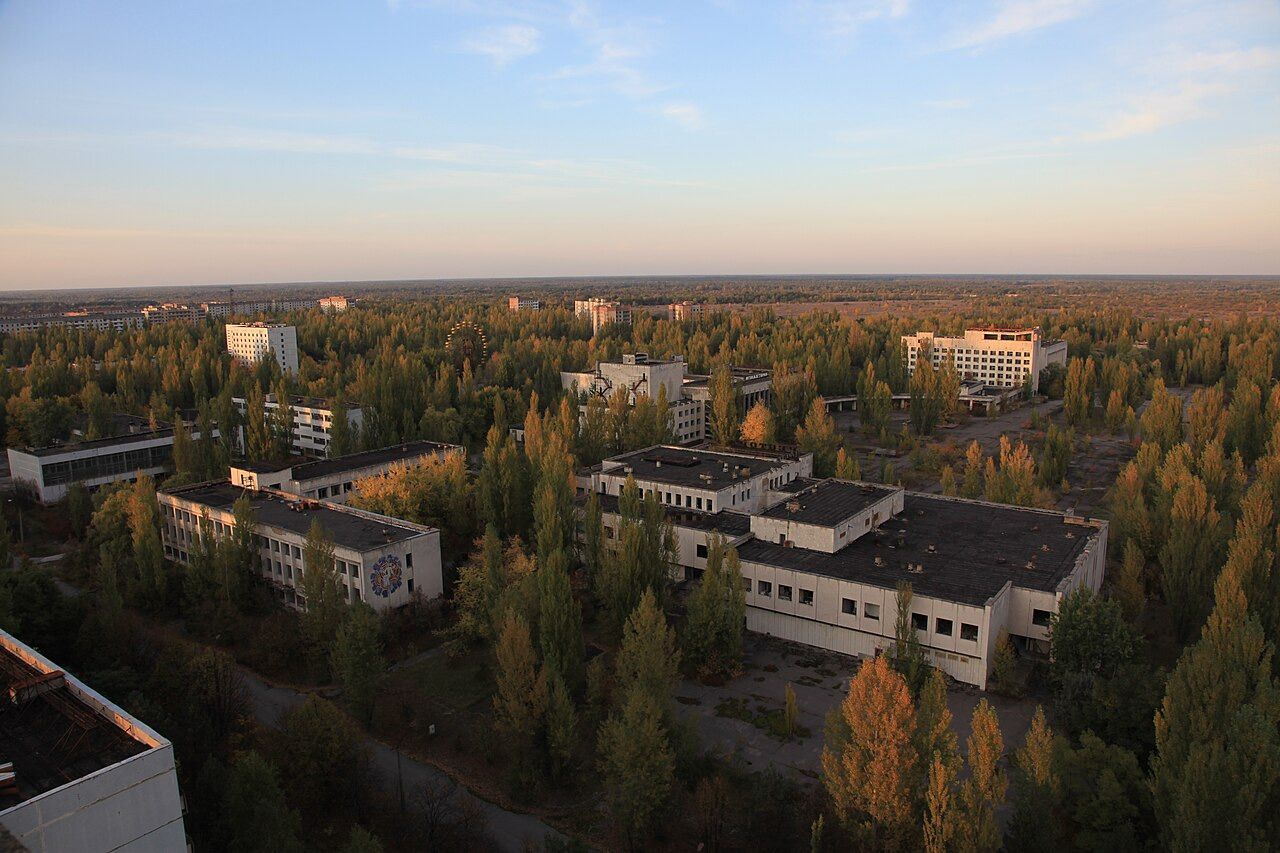
View of Pripyat, now a ghost town, 2010. Image: Wikipedia / IAEA Imagebank
Worse, Gorbachev, true to Soviet tradition, fell into whataboutism and proceeded to remind the West of everything his speechwriters could recall. He mentioned the 1979 accident at the American Three Mile Island plant (incomparably less severe than Chernobyl), and the US bombings of Gaddafi’s Libya in retaliation for terrorist attacks in Europe (which had occurred that same spring of 1986). For Gorbachev, as for Shcherbitsky, it was also hard to go against the system that had shaped him.
Nevertheless, Gorbachev’s speech lifted the taboo on the Chernobyl topic in Soviet mass media. Newspapers became bolder in reporting on work in Pripyat, and even before the end of May, the first TV reports from the stricken atomic city appeared on Soviet television. By the summer of 1986, the official Soviet tone about the disaster would become entirely different: participation in the cleanup of what the authorities had recently refused to acknowledge was now called a civic duty. Many thousands of liquidators from different regions and republics of the vast country would travel to Ukraine to fight an invisible (but, unlike today, very real) enemy.
If you enjoyed this article, consider making a donation — one-time or, even better, monthly. Your support helps us motivate our authors and become better with every article.
Our organization is recognized by the Internal Revenue Service (IRS) as a 501(c)(3) tax-exempt, charitable organization, which means that all contributions made to us are tax-deductible to the fullest extent permitted by U.S. law. Individuals may generally deduct charitable contributions of up to 60% of their Adjusted Gross Income (AGI) for cash donations made to qualifying 501(c)(3) organizations. For donations of appreciated assets (such as stocks or other long-term capital assets), the deduction is typically limited to 30% of AGI, based on the fair market value of the asset. C-corporations may deduct charitable contributions of up to 10% of their taxable income for donations made to eligible charitable organizations.
By submitting a donation, you confirm that you have read and accept the following documents: Privacy Policy and User Agreement, and also give consent to the processing of your personal data.
If you would like to unsubscribe from a monthly donation, please email us at: [email protected]