Director Liza Stishova made a documentary for the Ost-West TV channel called “Germans in Russia,” featuring people who are currently moving from Germany to Russia in search of a better life. To understand their motivation, she delves into the history of German colonists from the time of Catherine the Great, talks to ethnic Germans who survived Stalin’s deportations, and investigates the biography of her own grandfather, who helped organize those deportations. We spoke with Liza about what her film’s protagonists are willing to ignore for their own comfort, and why they choose to live in Russia—a country that has just experienced a major wave of protest emigration.
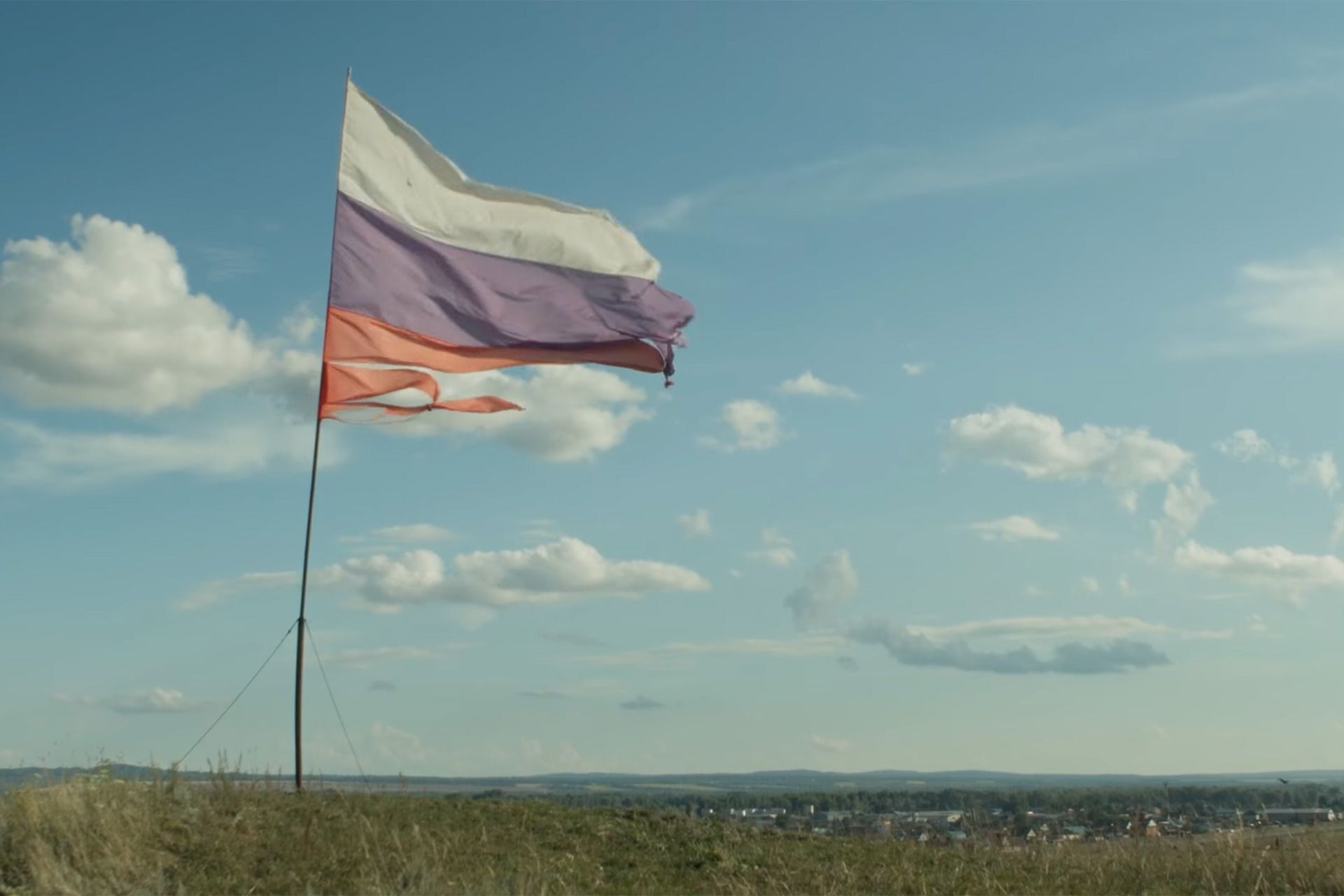
A still from Elizaveta Stishova’s film “Germans in Russia” (2026)
- Where did the idea to make a film about Germans who moved to Russia come from?
- The Ost-West TV channel proposed this project to me because they had done many interviews with Germans moving to Russia. When I became interested in the idea, I remembered sorting through the apartment of my late great-uncle after his wife died—we were allowed to take some things from there. The apartment was huge, in a building opposite the American embassy, and my brother said: “Well, of course Uncle Vanya lived well, he was the one who evicted the Germans.” Our aunts hushed him, they didn’t want him talking about it, but I remembered. And later, when I told my aunt I wanted to talk about Uncle Vanya in the film, she reacted the same way: she said she had no idea what happened to him.
So, the theme that emerged is this: nobody wants to be the bad guy, and nobody wants their relatives to be seen as bad people—they always seem to need to be justified. I thought it was better not to justify anyone, but to try to tell what I at least know. That’s why this project became personal for me.
- What touched me in the film is that, on the one hand, you tell your own family’s story for the first time, and on the other, you encourage your subjects—ethnic Germans who survived Stalin’s deportations—to confront their past. In everyday life, they clearly don’t want to talk about this, and you can feel their resistance on camera. Was it hard to get this family to open up?
- I actually got them talking pretty easily. Though I’m not sure how they felt in the end—they didn’t exactly fight, but the conflict between the father, grandmother, and granddaughter is clear in the film.
What surprised me was that the Germans who survived deportation themselves support Stalin and the deportations. But the younger generation thinks differently.
In this sense, we probably showed a typical Russian family today: you could ask them about the war in Ukraine and get a similar story.
- In the film, people with experience living in the USSR share their family stories and reflect on them. But surprisingly, in this reflection, they easily end up justifying those who tortured and killed their loved ones. Why does this happen? How do you explain it?
- I see the same thing happening with people I know. It’s very hard to live with the feeling that you’re a bad person, an aggressor, and so on. After a while, it’s easier to find justification for what’s happening, accept it, and keep going. That’s probably a very logical path. It’s not logical to say “yes, we’re bastards” and then go on living with that knowledge. That’s just hard. No one wants to be a bastard, everyone wants to be good.So, of course, it’s a very easy path.
And then, the film’s protagonists have lived in Russia for so many years that they’ve become absolutely Russian, despite all these memories. And, of course, they justify everything that happened back then—well, it happened, so what. “We’re not going to keep remembering it forever“—that’s what they say.
- But when these people, who were doomed to suffering by the authorities, say: “But how else could they have treated us? We were a threat. We were Germans—who knows how we would have reacted to meeting Hitler’s troops.Maybe we would have collaborated!“—I feel cognitive dissonance. But they don’t. How is that possible?
- One motive you hear is that, yes, we could have collaborated with the occupiers. The other story is that the Nazis might have come and killed us all just because we were Germans, but we were evacuated and that saved us. Basically, the main thing is that they justify the Stalinist regime. Maybe it’s also because there’s so much Stalin around now—he’s getting statues again, his image is being rehabilitated, and they don’t want to say anything bad about him for that reason.
- So what’s going on in the minds of Germans who now voluntarily leave Germany for villages in Khakassia?
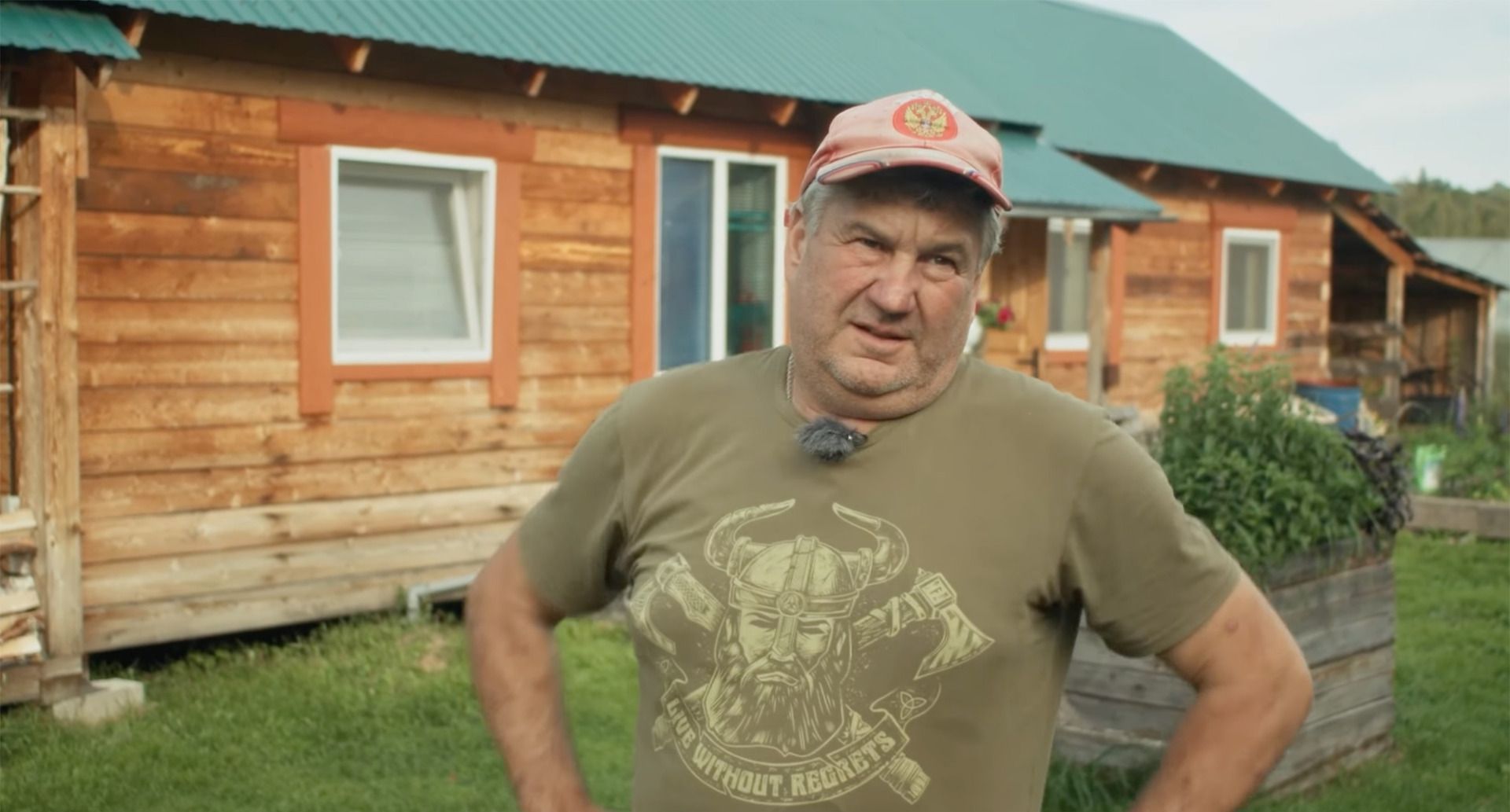
- In this case, I think it’s simpler. For example, when we filmed a German builder who set up a vacation base in Khakassia, I understood him well. Huge territory in the middle of the taiga, four hours to Abakan—come and do whatever you want. In Germany, all this would cost huge money and effort, you’d need a ton of permits— but here he doesn’t have to do any of that. He came with his Russian-speaking wife, whom he met in Germany, they had a child, they feel great, and don’t want to know anything about the war in Ukraine or about politics.
A still from Elizaveta Stishova’s film “Germans in Russia” (2026)
But most likely, he’s actually afraid to talk about these topics, because then he could lose the chance to live as he pleases. I think he understands this very clearly.
- This man’s motivation is actually quite simple. But then there’s the family of intellectuals who once said “Time to get out!”—and left for Russia.
- Yes, our musician protagonist said “time to get out” after the Nord Stream explosion—he’s a Russian German who once emigrated from Russia. I think if he’d played in Berlin’s main symphony orchestra, he probably wouldn’t have come back. Everything he says in the interview is basically an attempt to justify his return home.
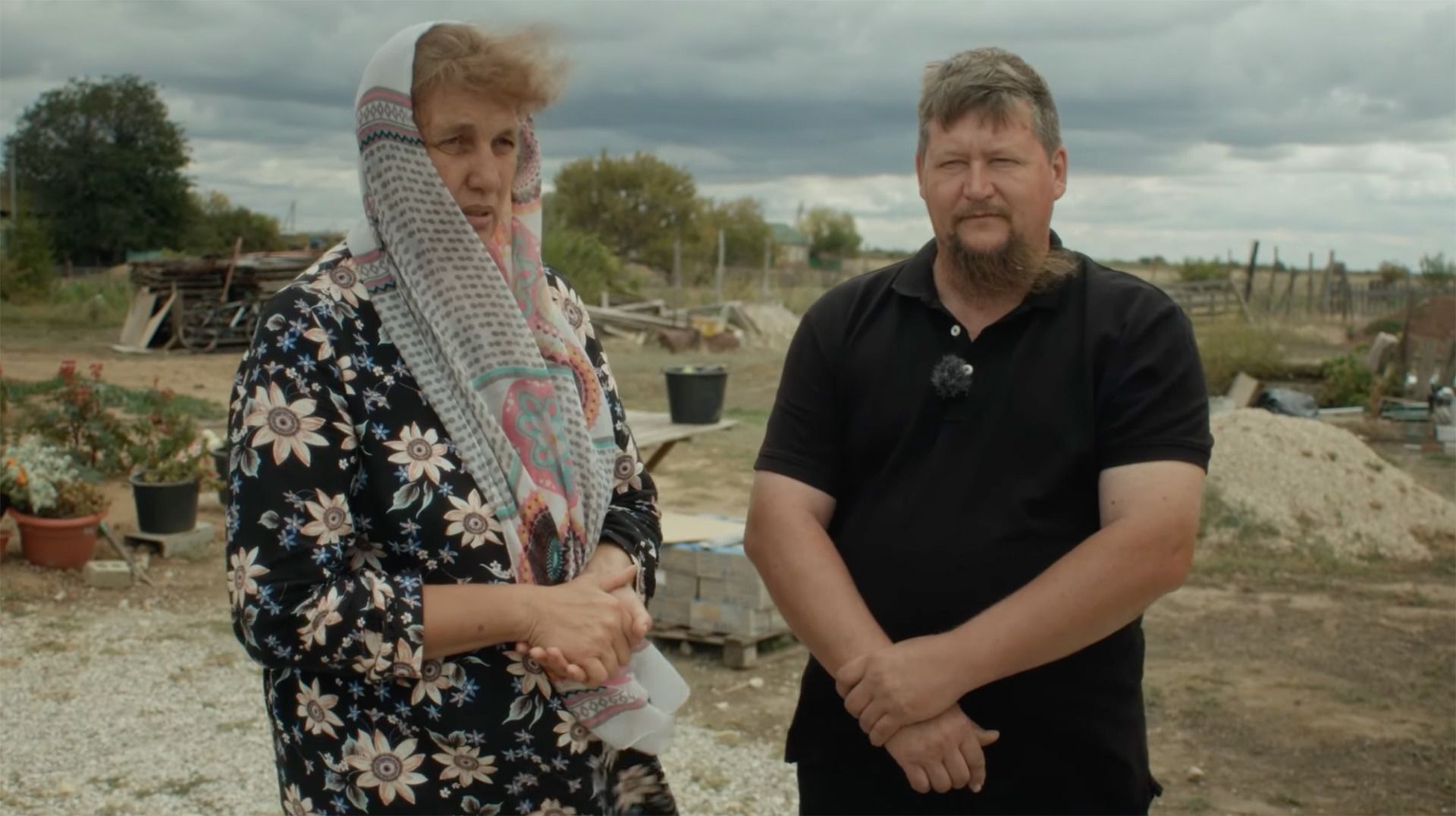
- And then there’s the religious family who were so shocked by sex education lessons in German schools that they dropped everything and moved to a “spiritually rich” Russian village.
- These are real oddballs, I can’t call them anything else.Thank God there aren’t many like them—I was honestly afraid that all the film’s protagonists would look like this.Everything they say is a caricature. They’re building a church in the village and at the same time suggesting people should be killed.
- And in the village where this family is building a church, people call them fascists.
- But God helps them, so it doesn’t matter—people will eventually understand and appreciate everything they’re doing, that’s their logic. I find it hard to explain. Honestly, I still can’t believe such absolutely tragicomic characters exist.
A still from Elizaveta Stishova’s film “Germans in Russia” (2026)
- Did you notice any traces of Russian TV propaganda or far-right “Alternative for Germany” agitation in your conversations with the protagonists? Are there any outside factors that sped up their decision to self-deport to Russia?
- I’d say these are independent-minded people who understand everything perfectly well. They just choose to follow their own desires.They want to live in big houses, out in nature, right now—that’s the kind of people they are.I don’t think anyone lured them to Russia or that they read something somewhere. As for the others—probably not either. But since Putin’s decree talks about attracting EU citizens to Russia who share “traditional values,” I think they all talk so pointedly about these values because they signed some form.
How much any of them, except the religious family, actually care about traditional values, I can’t say. Some just didn’t make it in life and are thinking about what to do in Russia, where they left30 years ago. Some are just nostalgic.
And as for analyzing direct propaganda influence, I don’t know. I’m not sure it’s all TV’s fault.
- Besides TV, there’s YouTube, social media, and many other ways to get information…
- I wouldn’t discount their own brains either. I think free will is at play here too, since everyone has their own reason for moving.
In general, I think people should live wherever they want. If someone wants to live in North Korea, they have the right to live in North Korea.But it would be good to make sure such a person understands the consequences, so they know where they’re going. If they understand everything—let them go.And if I were the German government, I wouldn’t be afraid of these departures, of course. Well, they left, so what.
- What was your initial hypothesis for the film? Did it hold up in the end? What do you think about the work you’ve done?
- I was probably surprised. I thought the film would be full of oddballs like that religious family.
I thought everyone coming here was a little crazy. Why would they come to a country everyone else is leaving?
I started the film not understanding any of this.But I finished it with understanding, because when you walk barefoot through Siberian grass and eat a Siberian watermelon, you think: what difference does it make—Putin, Hitler, Stalin? You’re sitting somewhere at the edge of the world.You don’t bother anyone and no one bothers you. Why should you care that people are being killed somewhere, or were killed in the past? You’re just living here and now.
This logic is very inhumane, but it exists:a person lives selfishly for themselves, and probably has the right to do so. That’s what I ended up thinking myself.And why should I judge these people? They’re enjoying life. Maybe that’s a good thing?
- But what about the burden of historical memory?
- Well, that’s where the problem comes in. I’m talking about myself now. Unfortunately, I can’t live the way the film’s protagonists do.If I could, maybe I’d be happier. But I can’t, and they can. I probably even envy them—people who can live peacefully without any historical memory and build big houses in beautiful places.
- Yes, and this brings up your own family’s story, which you reconstruct in the film.
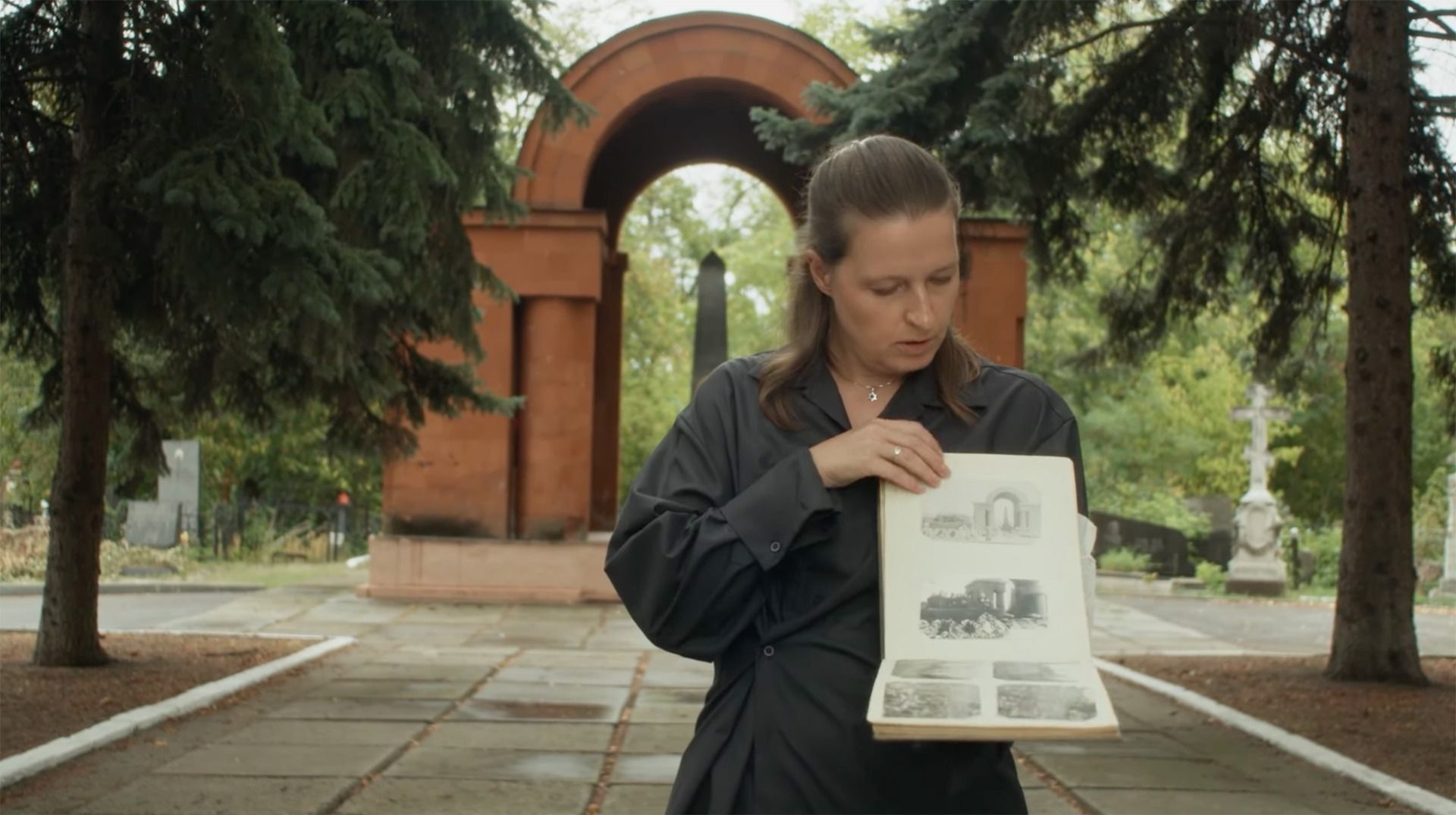
- Maybe I should have told more about poor Uncle Vanya, who took part in the deportations of Germans and ended up suffering himself at the hands of [Soviet] authorities. This was in the early 1960s: he tried to save his assistant, who was about to be imprisoned. He called the assistant and told him to run. The phone was tapped, so Uncle Vanya was summoned to Lubyanka, beaten there, and died soon after. It was a huge disaster for his whole large village family, whom he had brought to Moscow.
But I remember the wife of that saved assistant—she came to every birthday of my grandfather and Uncle Vanya, because she was grateful for her husband’s rescue. Unfortunately, as a child I didn’t think to ask them about this story. And now everyone who remembered anything has died. And the Moscow archive wouldn’t give me Uncle Vanya’s documents—they demanded copies of death certificates for all his relatives, and there are ten of them plus children. So unfortunately, I can’t tell more about him than what’s already in the film.
A still from Elizaveta Stishova’s film “Germans in Russia” (2026)
- My impression is that you managed to find some reconciliation between the protagonists who are willing to talk about the painful past and those who just want to live well and remember nothing. Although you still can’t hide the wound between past and present.
- That’s exactly right—they want to live well and remember nothing. That’s a completely accurate diagnosis.On the other hand, these particular people—they’re not doing anything wrong, are they? They’re just reviving dead Russian villages, but they’re not going to war themselves or sending their children there. At least, not yet.But who knows what they might do tomorrow?
If you enjoyed this article, consider making a donation — one-time or, even better, monthly. Your support helps us motivate our authors and become better with every article.
Our organization is recognized by the Internal Revenue Service (IRS) as a 501(c)(3) tax-exempt, charitable organization, which means that all contributions made to us are tax-deductible to the fullest extent permitted by U.S. law. Individuals may generally deduct charitable contributions of up to 60% of their Adjusted Gross Income (AGI) for cash donations made to qualifying 501(c)(3) organizations. For donations of appreciated assets (such as stocks or other long-term capital assets), the deduction is typically limited to 30% of AGI, based on the fair market value of the asset. C-corporations may deduct charitable contributions of up to 10% of their taxable income for donations made to eligible charitable organizations.
By submitting a donation, you confirm that you have read and accept the following documents: Privacy Policy and User Agreement, and also give consent to the processing of your personal data.
If you would like to unsubscribe from a monthly donation, please email us at: [email protected]