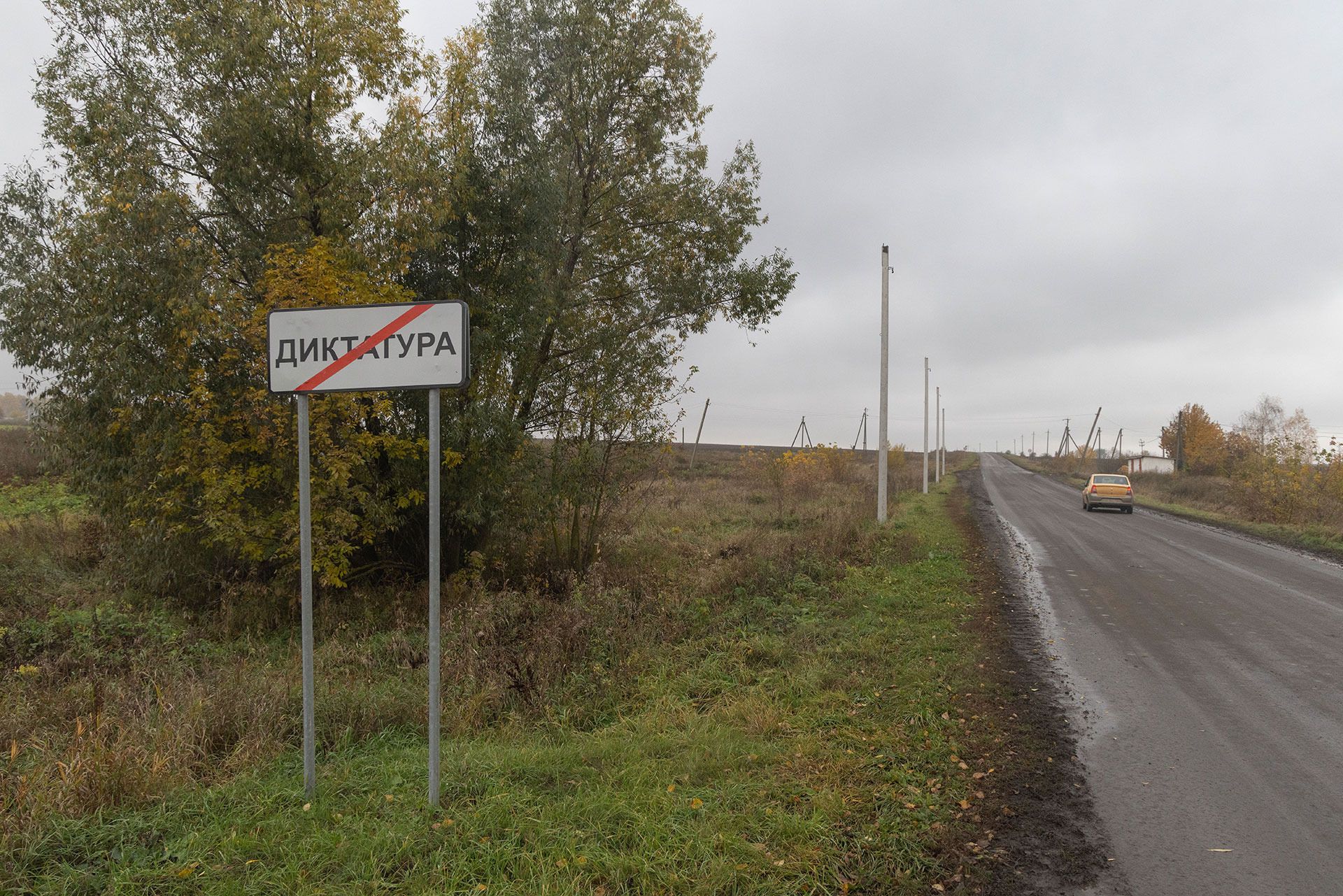
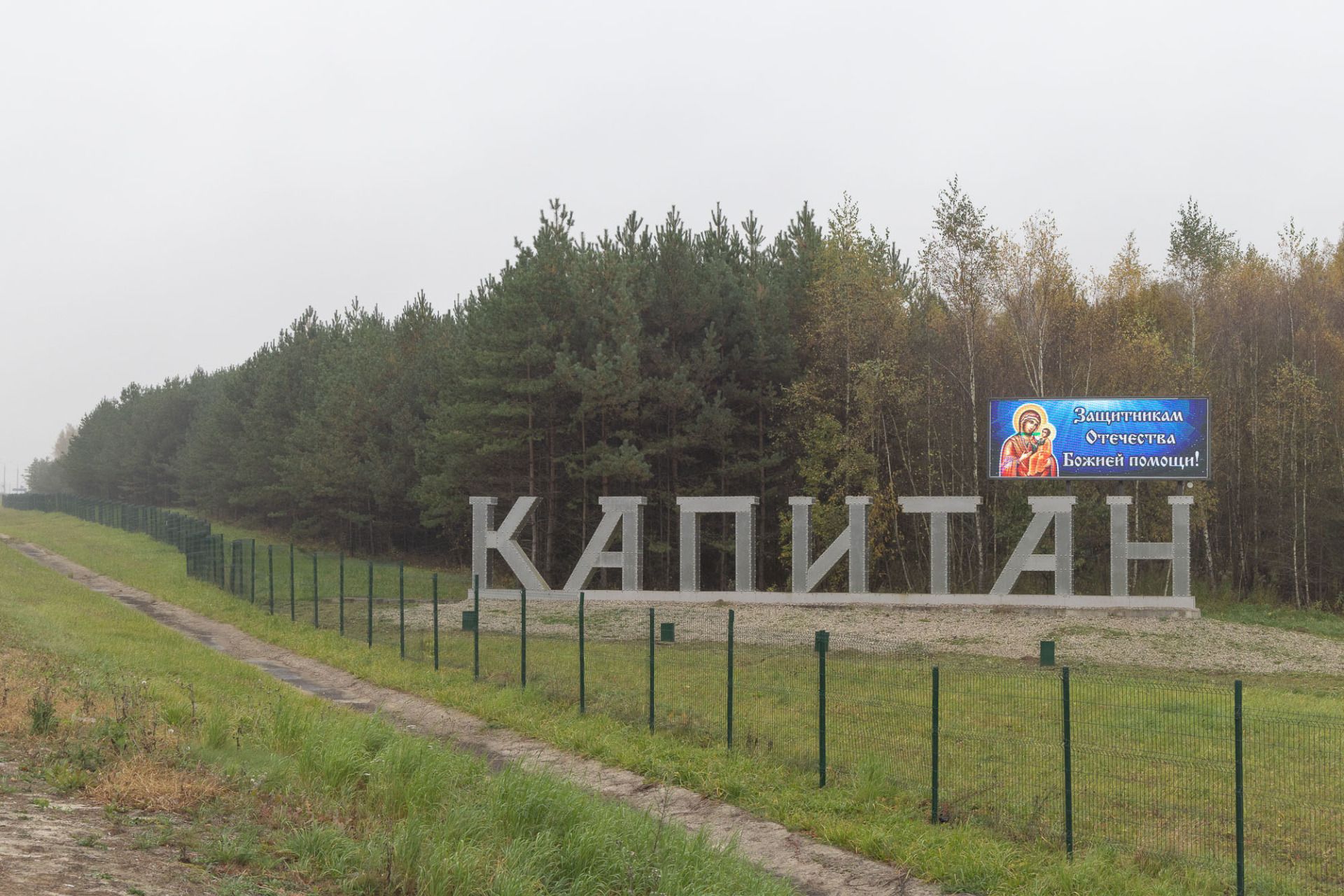
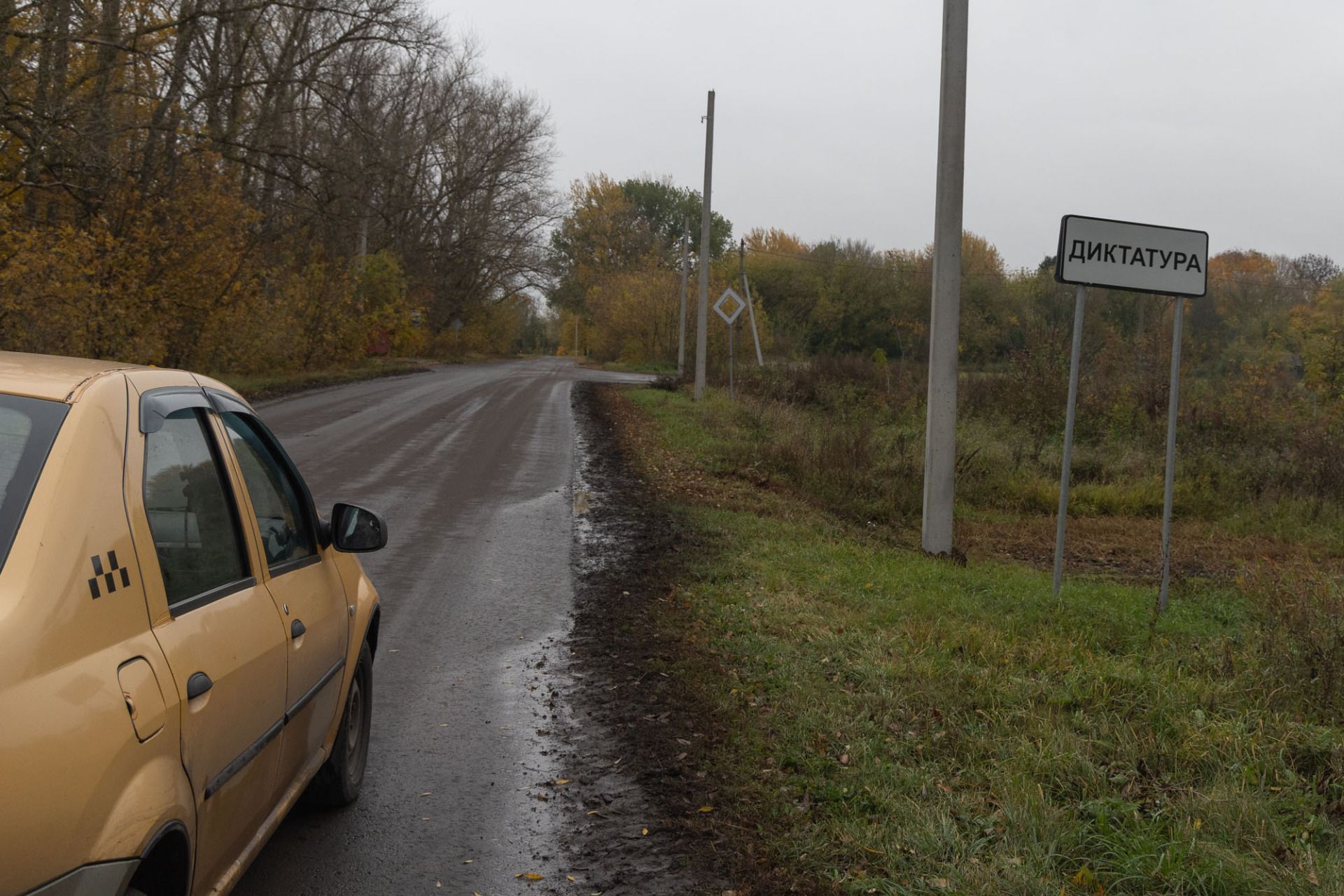
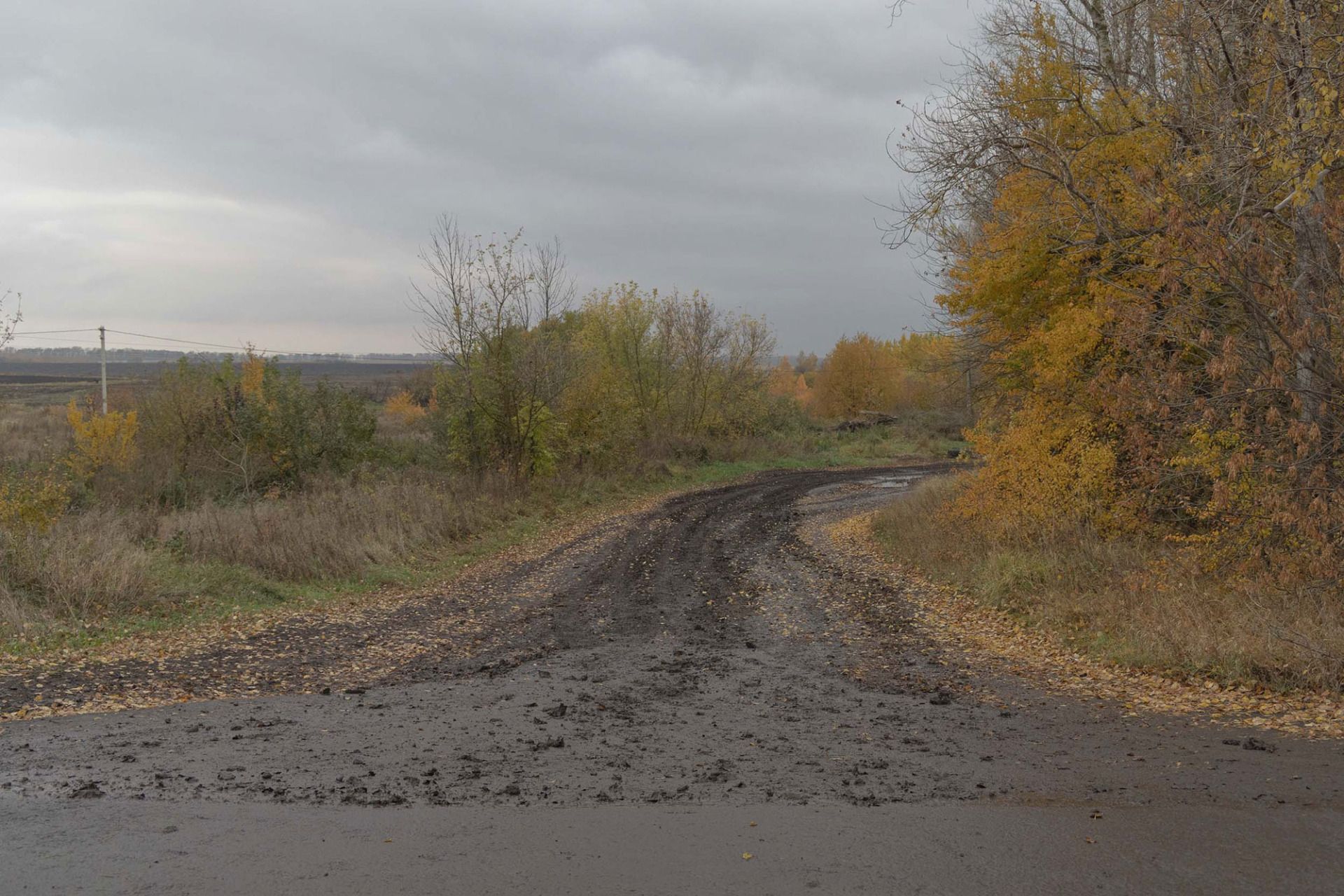
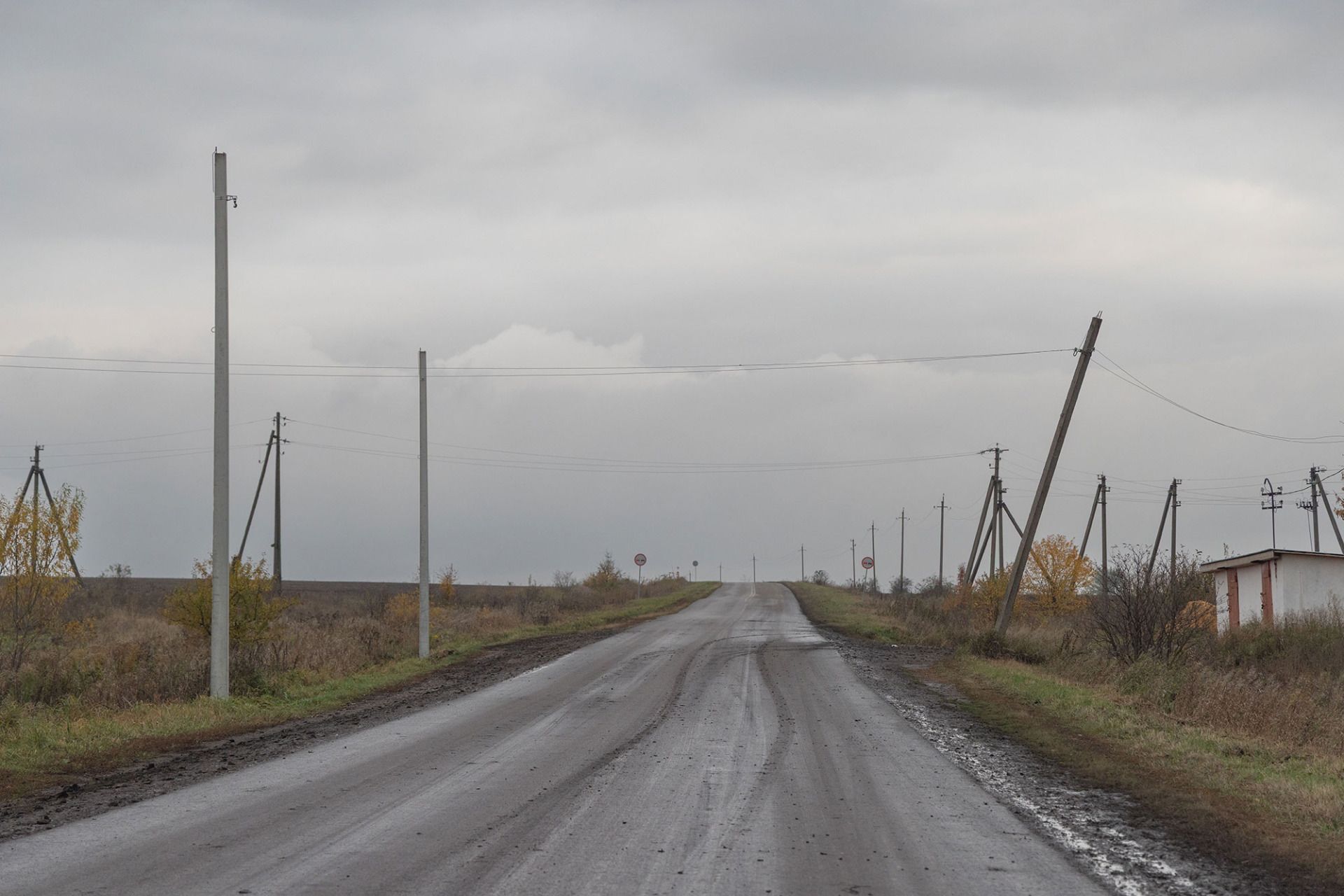
Dictatura is a settlement in the Plavsky District of the Tula Region. A correspondent from “Most” visited there and spoke with local residents about their living conditions and self-identification.
From Moscow to Dictatura, it’s a 3 hour and 32 minute drive—if there’s no traffic. With traffic, it’s almost four hours. A taxi to Dictatura costs nearly 9,000 rubles from the very center, and strangely, almost 12,000 from the MKAD. But these prices reflect high demand. Walking would take almost three full days, but who walks these days?
You can’t get to Dictatura directly by public transport.
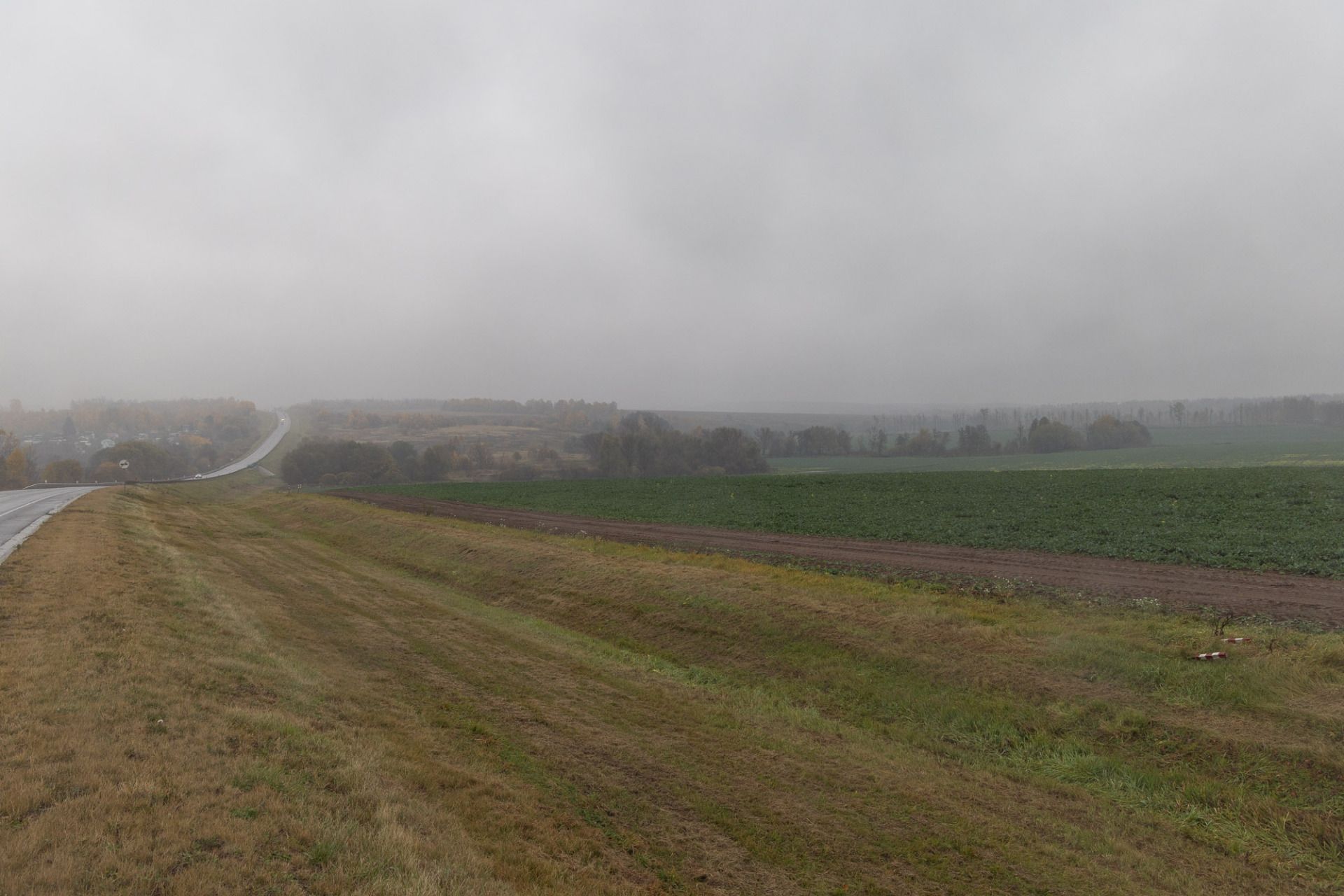
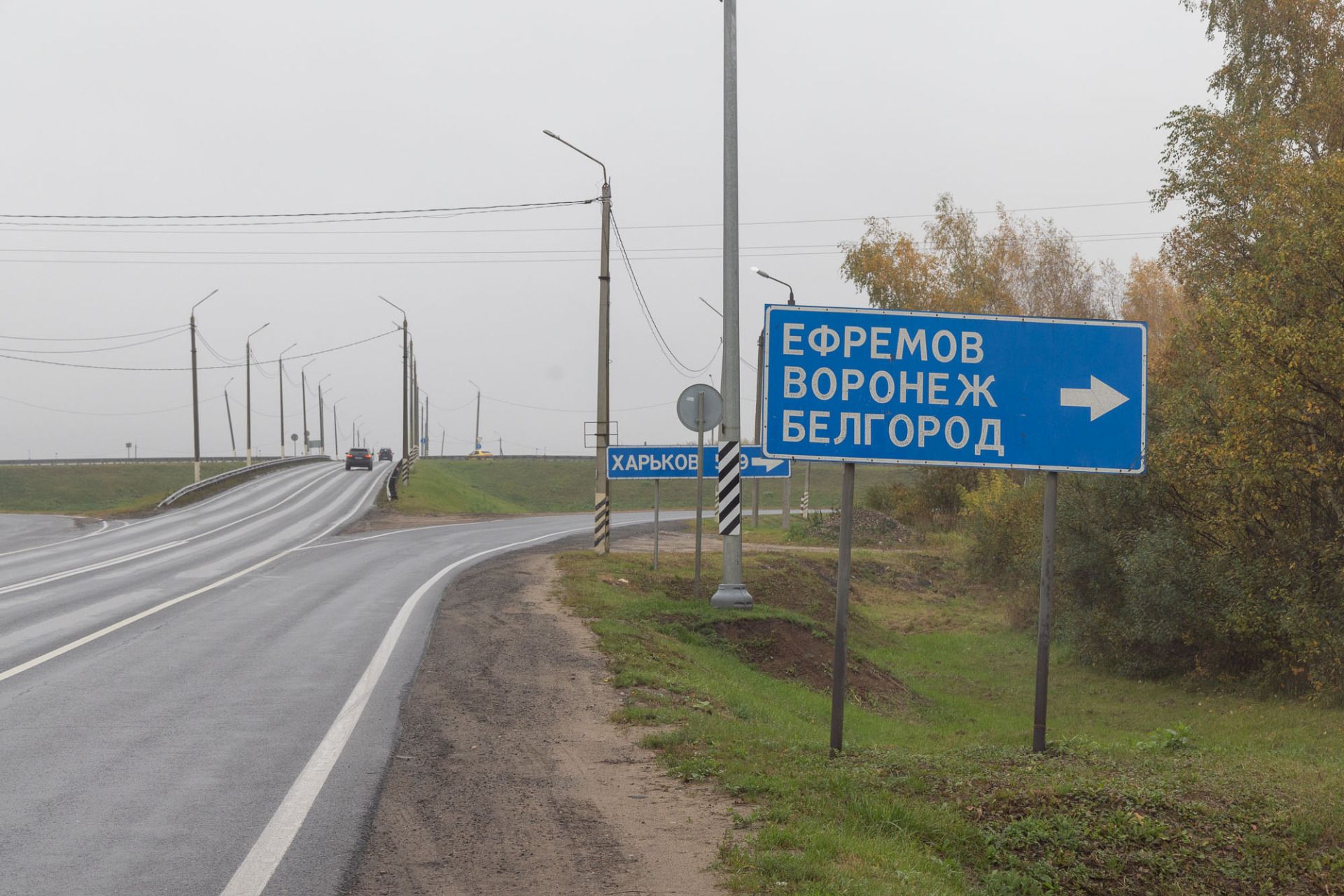
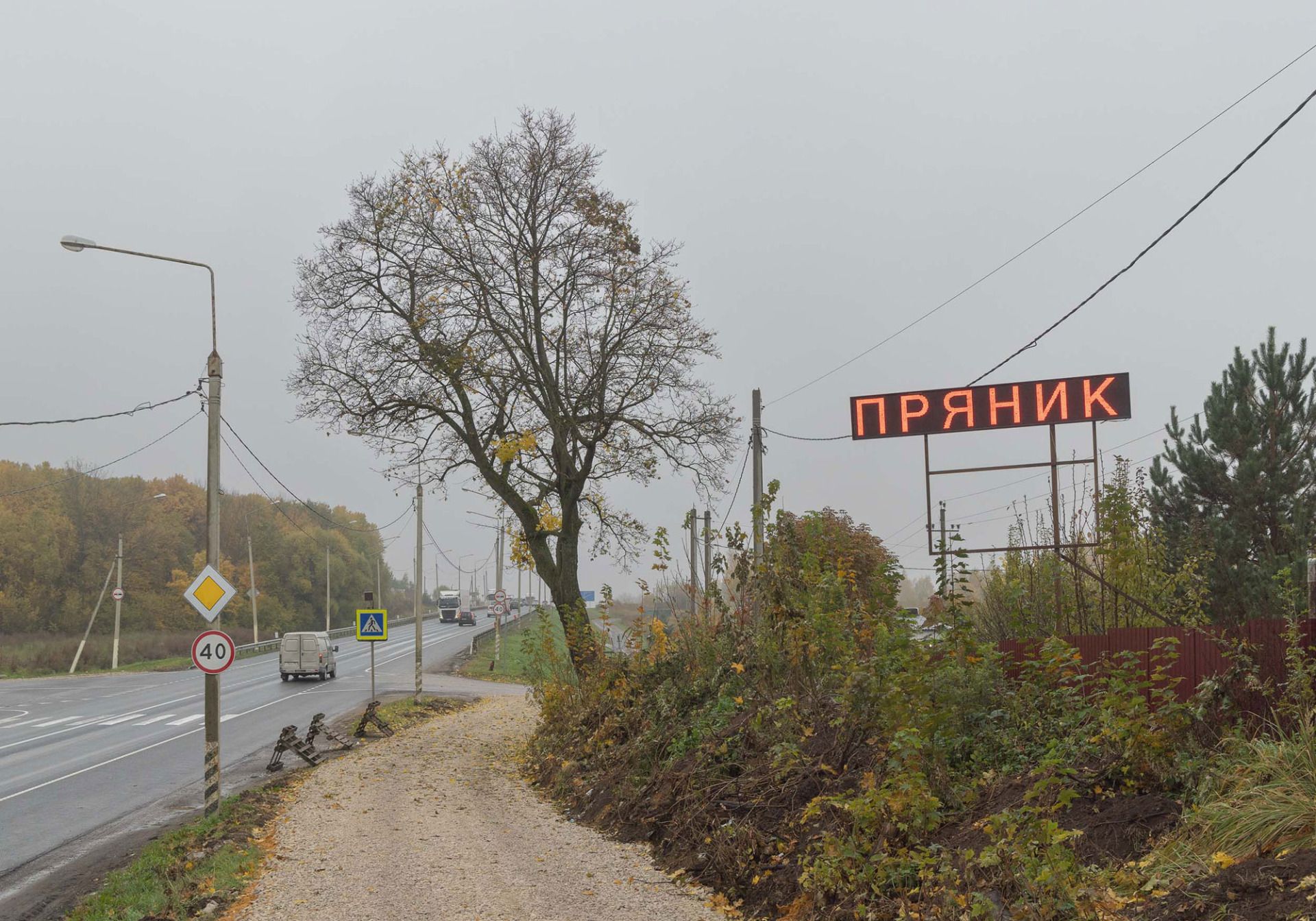
The M-2 “Crimea” highway is a federal road running through Kursk and Belgorod to the state border with Ukraine (and then continues to Kharkiv). Closer to the Tula Region, traffic thins out rapidly and driving becomes very free. The farther from Moscow, the more often you have to overtake military equipment moving toward the Ukrainian border.
Near Plavsk, active work is underway to replace the road surface and widen the road. Driving on the freshly laid asphalt is pleasant, but sometimes a bit scary—there are no lane markings yet, and what was two-way traffic can suddenly become one-way, so you need to stay alert. Recently, on this stretch of the highway, a car overturned.
In Plavsk, I take a taxi to Dictatura. The settlement is oddly named differently on bus routes—as “Udarniк.” But locals aren’t fooled: the chatty taxi driver immediately understands where I need to go.
The taxi driver Igor (name changed) occasionally chuckles at something, either at his own phrases or something else. On the way, he tells me he has worked only for himself all his life and opened his first private business in 1994. But after the pandemic, he closed everything and moved back from Tula to Plavsk. There, he has “three little tails”—two dogs and a cat, on whom he spends most of his earnings.
- Here’s another buddy of mine lying here, poor guy all wet, I feed him when I drive by, he already knows the car, — Igor nods toward a dog by the roadside, — I thought he wouldn’t survive. But it’s okay, they treated him here, he’s survived two winters already. He still has nervous system issues.
- Well, listen, with a life like this, it’s not just him who’d have nervous system problems. Military convoys keep going down the highway, I say.
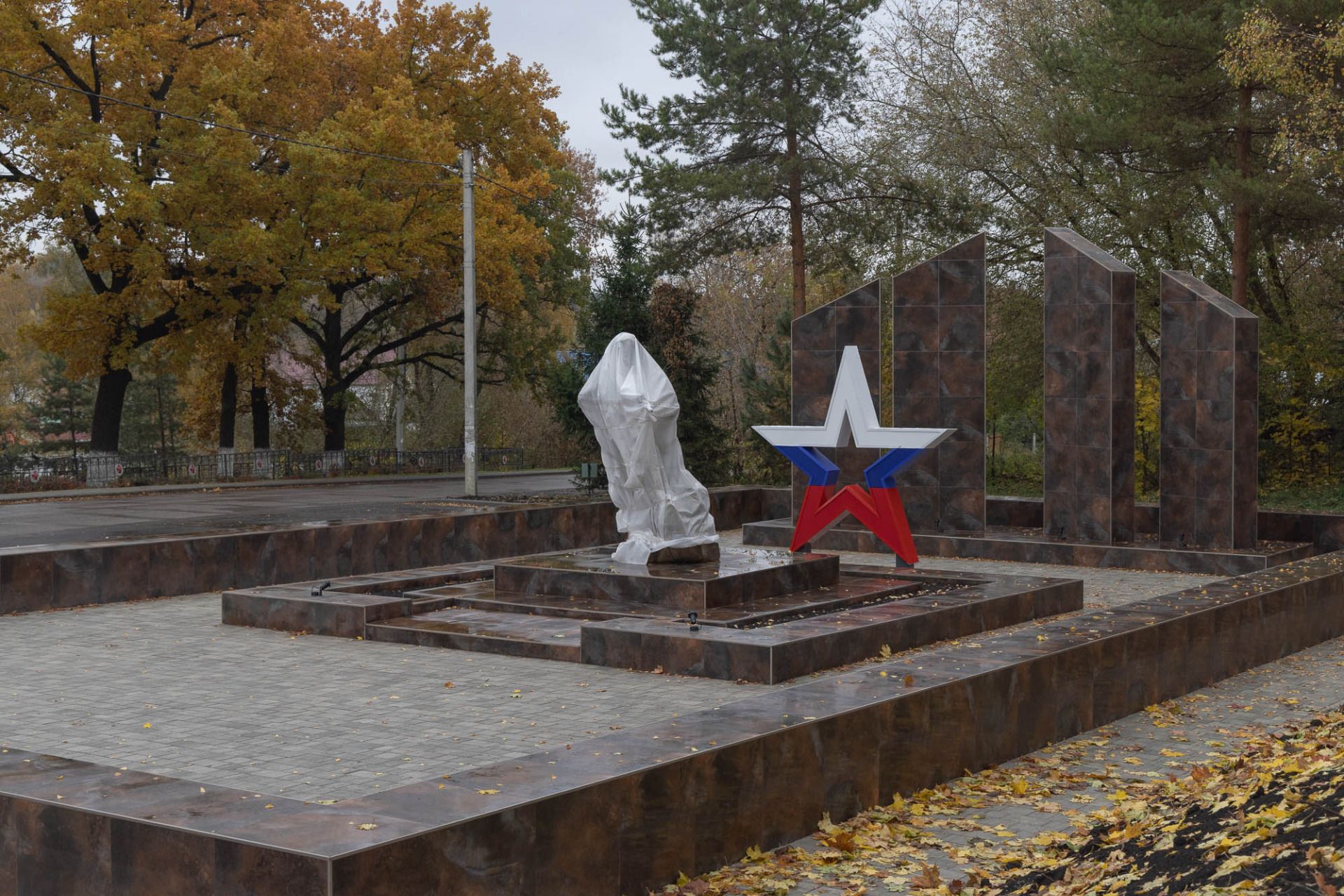
- Yeah, — Igor sighs. — Officially it’s not publicized, they call it Special Military Operation, but in reality, we have full-scale combat actions, war. Now the cemetery is growing and growing. They call it the Alley of Heroes, mostly young guys. When we buried ours, there were over 40, now even more.
- Yours, excuse me...?
- Yes, a child.
- Did he die in the war?
- Yes. He volunteered under contract with friends. None of them returned.
Igor adds that he was only able to bury his son this year, eight months after his death: “They couldn’t retrieve the bodies, fighting was going on, and villages changed hands five times a day.”
I ask if I can write about his son in the article. Igor agrees but warns me that “writing such things now is not welcomed.” Then he adds that with his experienced analytical mind and proper training, he understood everything about me immediately. I feel a bit uneasy. To lighten the mood, I ask if we will definitely get to Dictatura. “We will, we will,” he replies.
- He always wanted to be a soldier, that was his dream. He put us before the fact when the contract was already signed. Refusing is desertion, and that’s a crime, I understand that perfectly. If I had known earlier, I would have tried to stop him. I just knew he wouldn’t come back. He was untrained because he hadn’t been in the army. He was very upset when he wasn’t accepted into the army, he had health problems from birth, and then this opportunity came up. Although he had a good job and a good salary…
- You said he left with friends?
- Yes. Four of them. And none returned. They came.
***
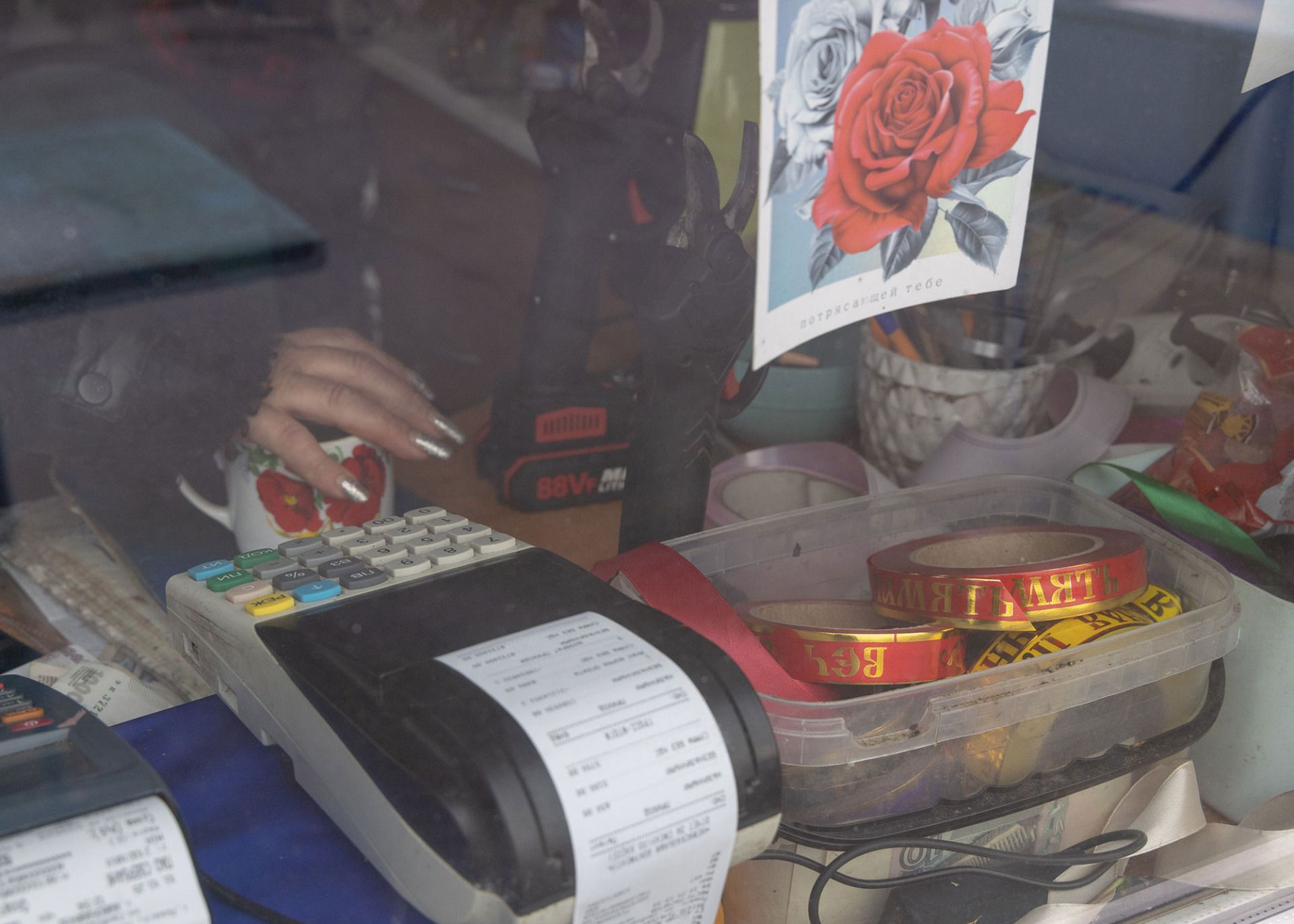
It’s deserted in Dictatura. Light rain with a cool breeze drizzles off and on. I enter a store. Inside, there’s a lively conversation: a man, gathering many different products, talks about a TV show about twins born to a woman from different fathers. The small audience is skeptical about the story. The man insists that the TV show presented DNA tests as proof. However, it’s clear he just enjoys making people laugh—the question of the story’s accuracy is secondary to him.
The saleswoman smiles, defending herself against the twin story
- I don’t watch those, I don’t believe in those shows.
- How can you not believe?
- Well, that’s how it is, they script it and produce it. Like a movie.
I ask those gathered why they live in Dictatura—maybe it was once the Dictatorship of the Proletariat? To my surprise, the attendees lean toward the idea that the settlement was called Dictatura from the very beginning. Versions arise that it was a place of exile with barracks and dugouts; someone oddly mentions Gypsies. But then an elderly woman appears in the store, and I’m advised to ask her.
- There really was a Dictatura state farm here. It existed long ago, — the woman replies.
- And no Proletariat?
- There was no one here.
My further searches confirm her version. In the archives of the newspaper “Voice of the Collective Farmer,” Dictatura is repeatedly named by its own name, and there really is no proletariat nearby.
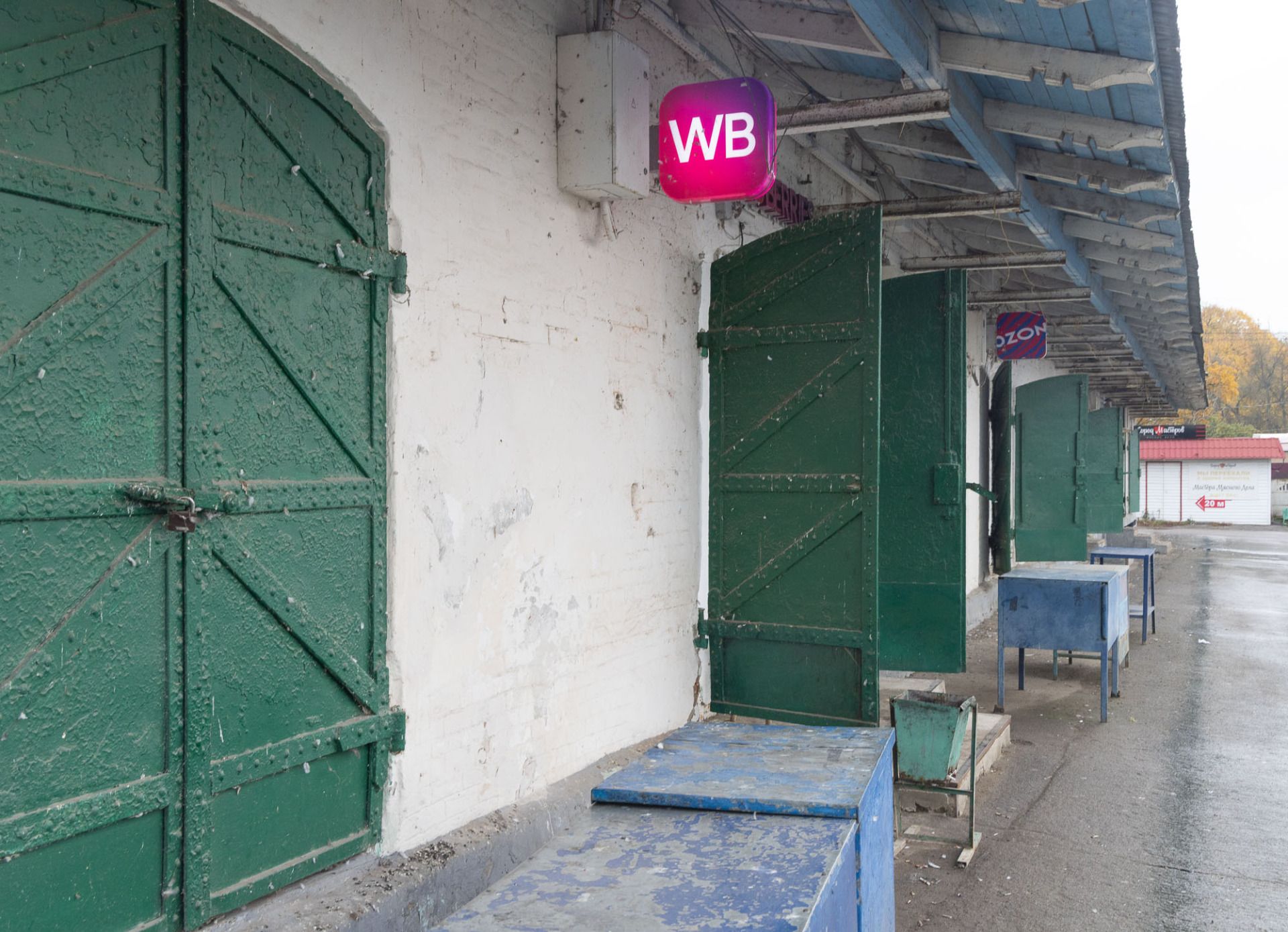
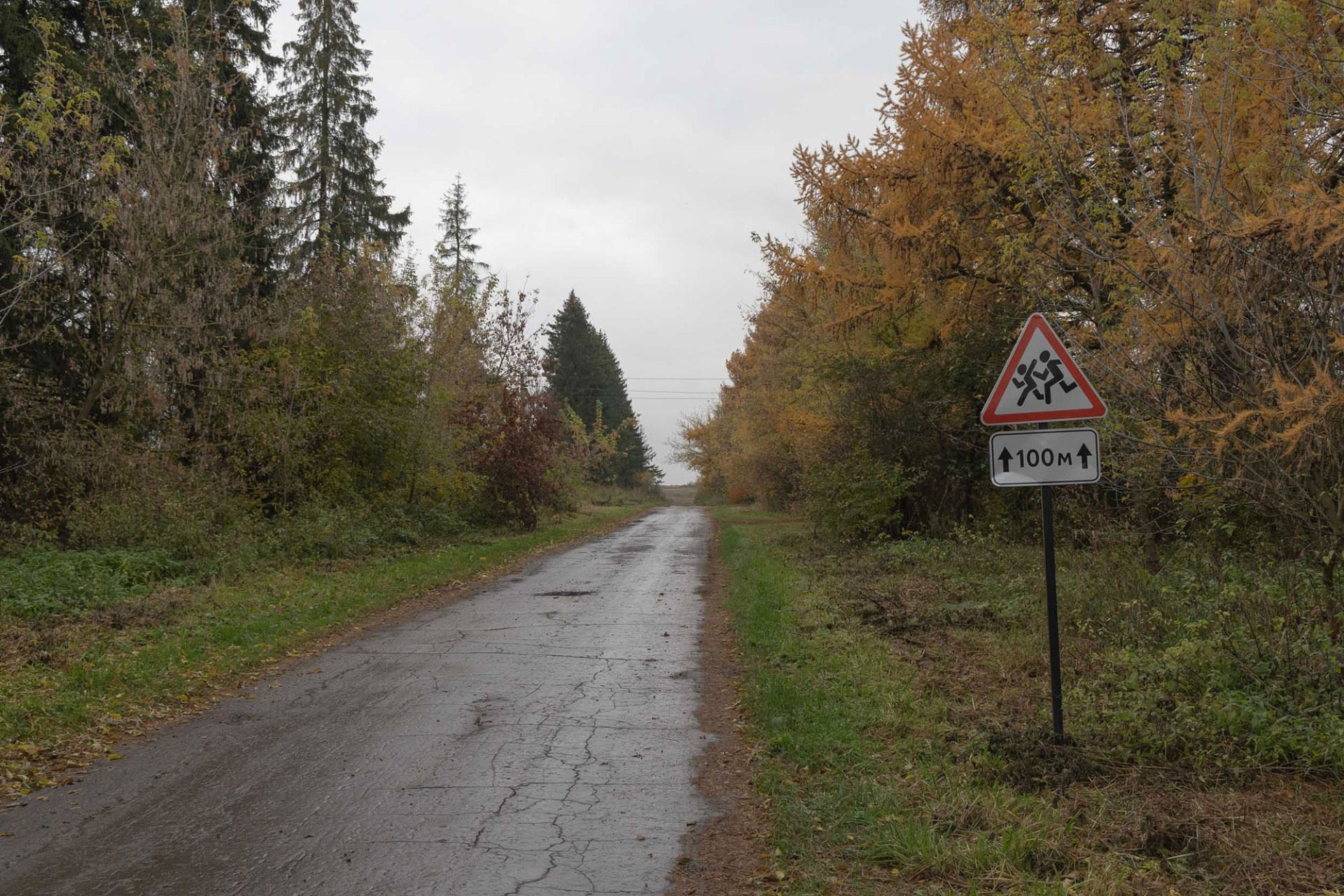
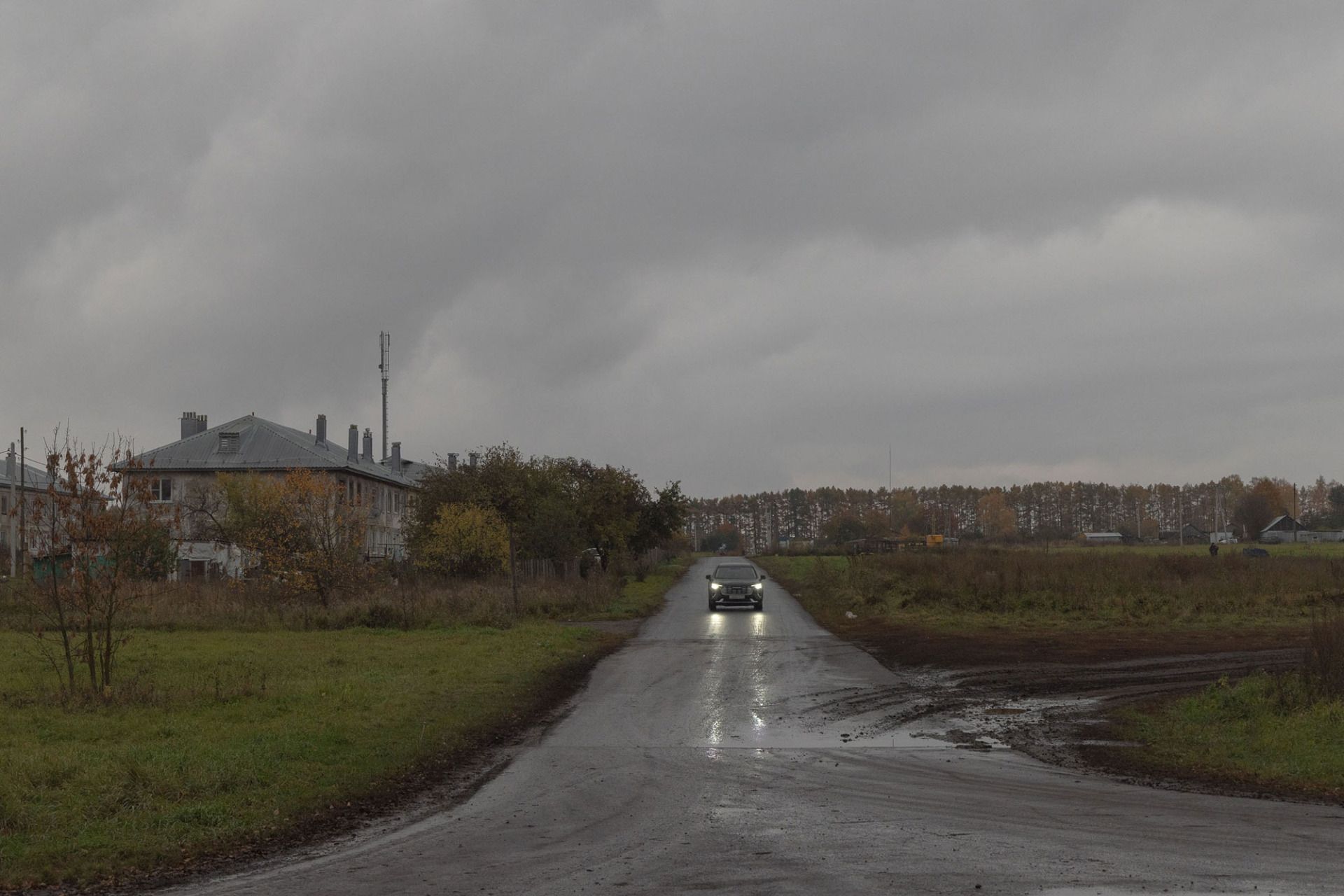
More and more visitors enter the store, and upon recognizing me as a “reporter,” they share their wishes and grievances. Most complaints concern darkness: the settlement lacks streetlights—the entrance is the only illuminated area. But the roads, they say, are good.
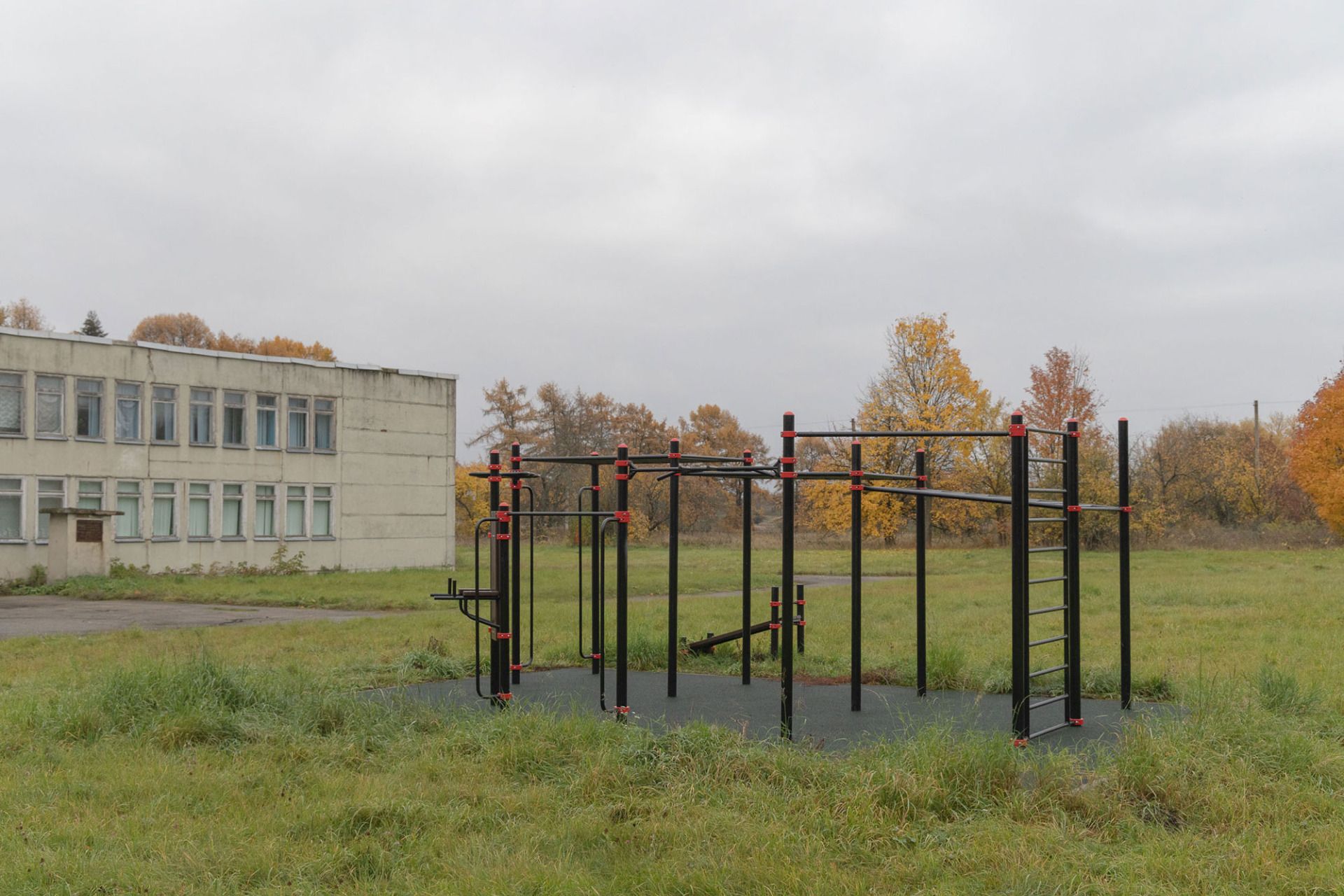
According to the latest census, 438 people live in Dictatura. There is a school here—the locals are satisfied with the repairs done. But only 13 children attend. Work is scarce; only the LLC “Udarniк” can offer something in the field of “growing cereals, legumes, and oilseed crops.” There are currently no open vacancies at “Udarniк.” Many residents commute to work in Tula or even Moscow.
Local media report plans to build a club in Dictatura. The man in the store who talked about twins and DNA hopes there will be “girls with poles” there.
***
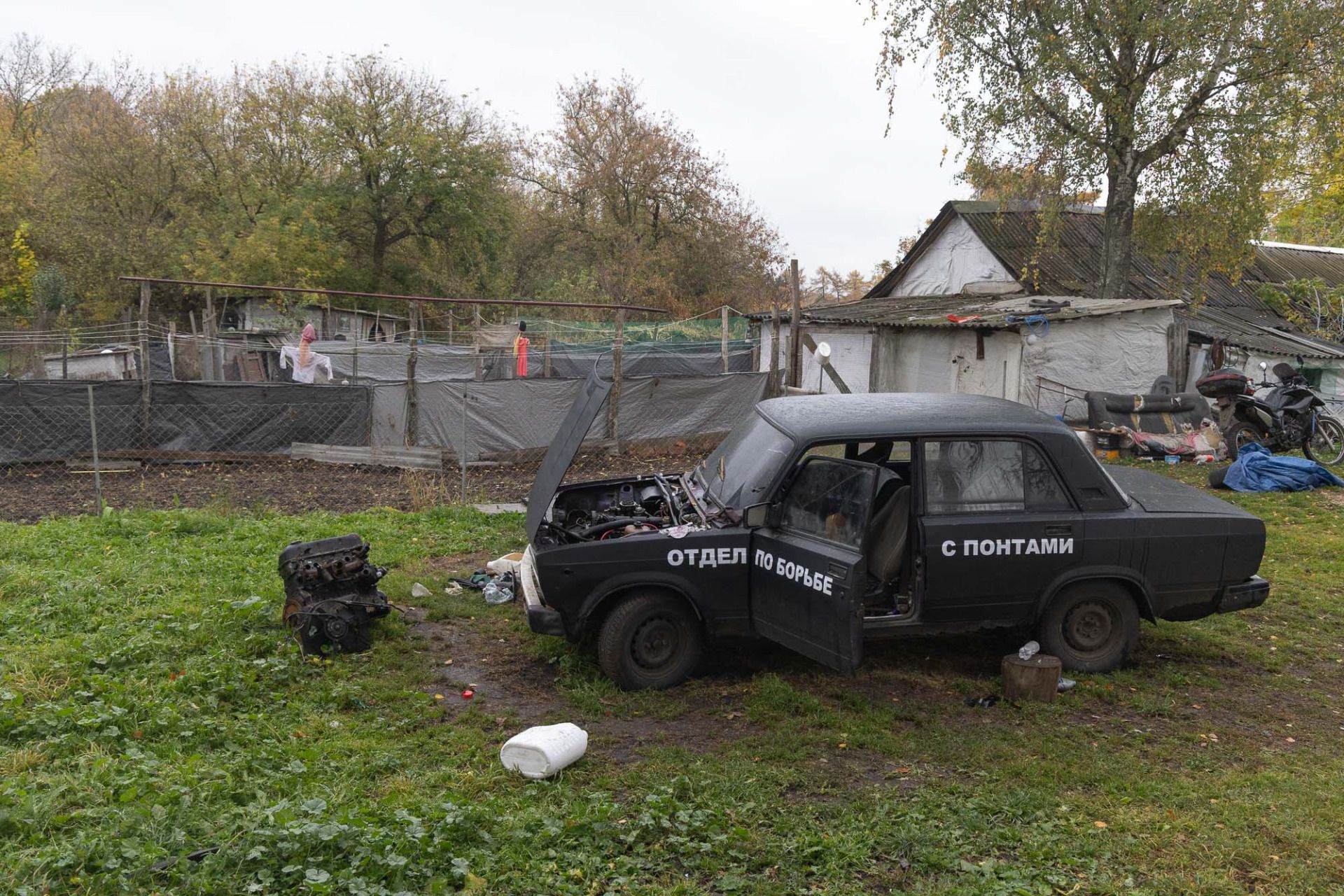
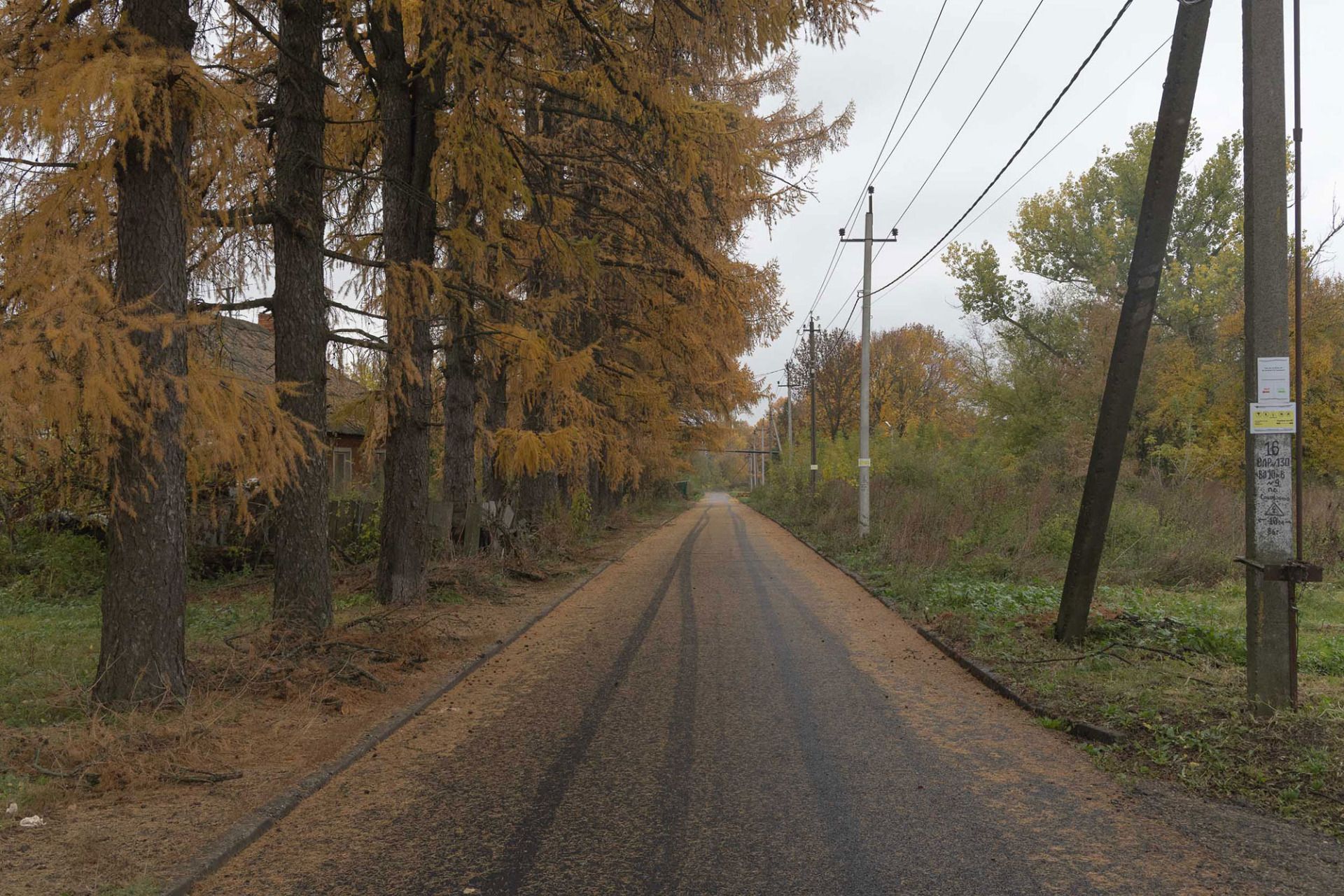
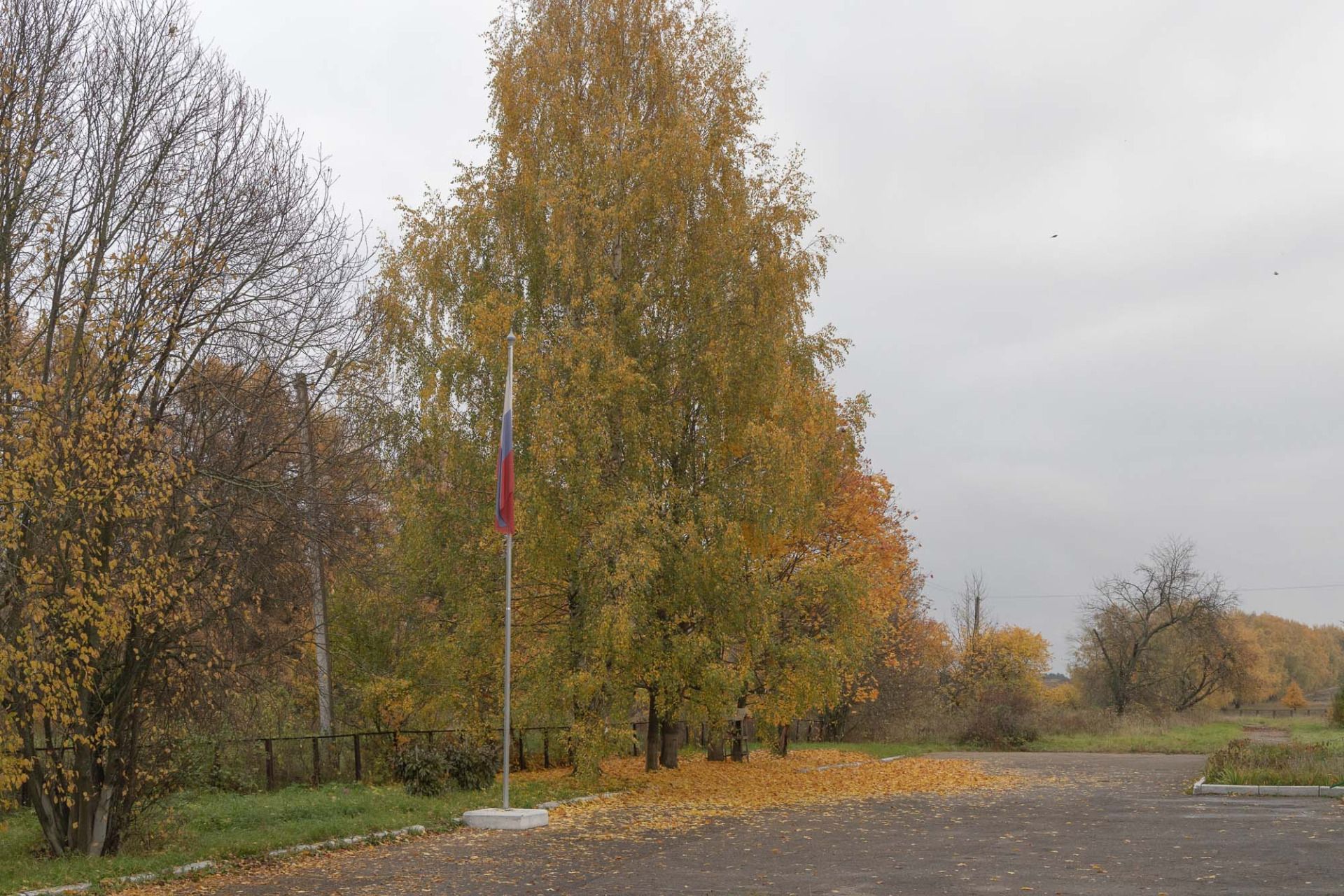
Dictatura is beautiful. A long alley of mature larches runs through the center of the settlement. The streets are clean. There is a picturesque pond, a post office, a library, a kindergarten with three wards, a cafeteria, a small park with a monument to those who died in WWII, an office, and a paramedic-obstetric station. Suddenly, a man calls out to me: he is unhappy that I photographed his UAZ and asks what I am “peddling” here, as he puts it. But after hearing my explanation about the rhythmic photo composition with two synchronously appearing UAZs, he calms down and steps back.
I return to the store. The saleswoman warmly welcomes me and says that my questions about the settlement’s name stirred everyone up: there was a kind of discussion in which participants confirmed that Dictatura has always been without proletariat:
- Just now, people came and said Dictatura was original. Kulaks were resettled here—those who, for example, had two horses were considered wealthy. And their families were resettled here, into this steppe. That’s why the name.
Two schoolgirls stand by the ice cream freezer. The saleswoman asks one how geometry is going. The girls study in nearby Meshcherino, where the school has 70 students. In Dictatura, children are sad to study because with only 13 students, there’s no one to befriend: “You can’t even ask someone to check homework, you’re alone in the class.”
Finally, I ask the saleswoman the question that prompted this journey:
- And how do you say here: do you live in Dictatura, at Dictatura, or under Dictatura?
- We live, — she answers after a pause, — in the state farm “Udarniк.” That’s how we say it: “state farm U-d-a-r-n-i-k.”
***
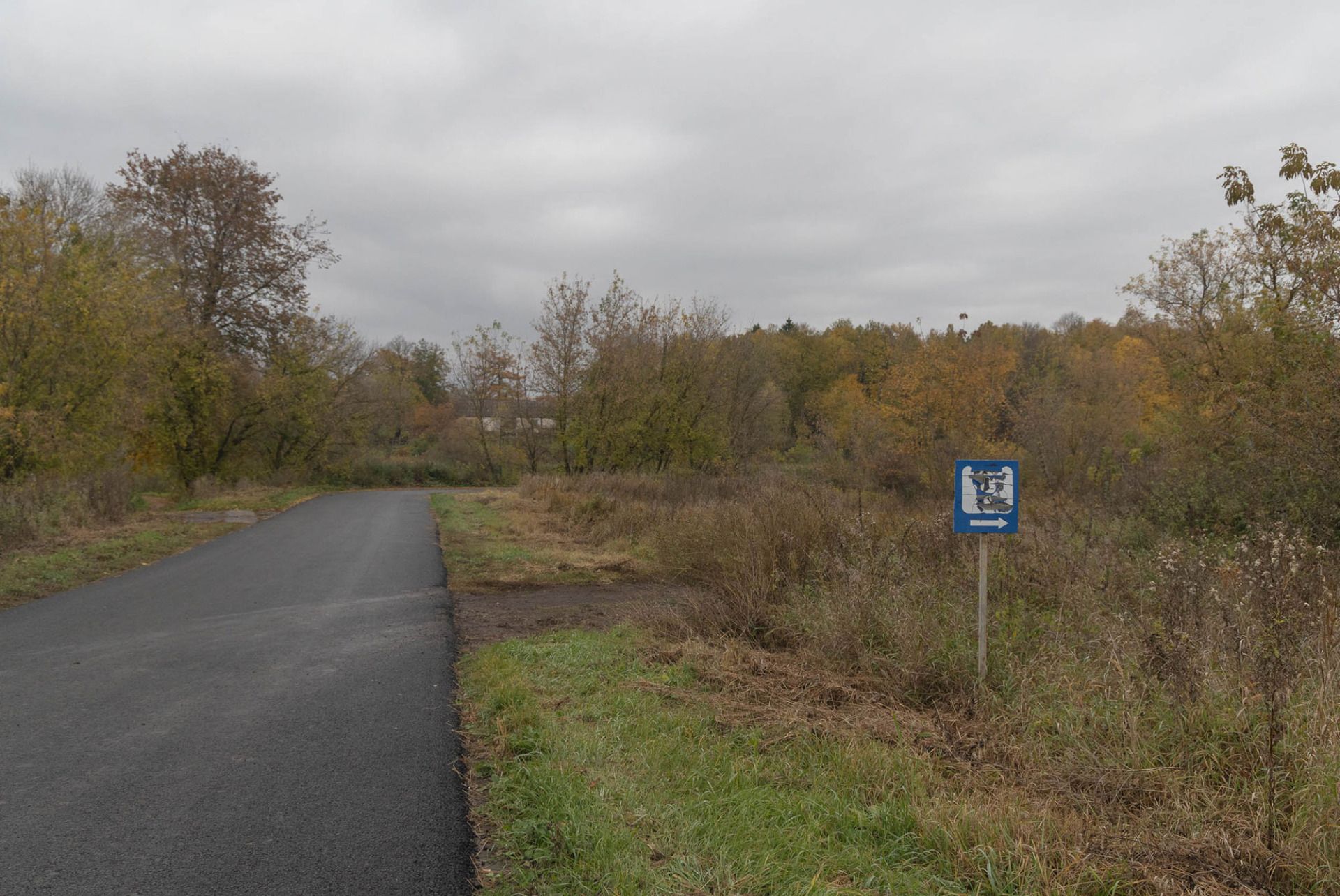
I stand in the middle of a decent road leading somewhere beyond the horizon, waiting for a taxi. Outside, the unpleasant drizzle starts again. At the stop sit those very schoolgirls from the store, chatting about something. Someone is walking a dog in the fields with loud talking and laughter.
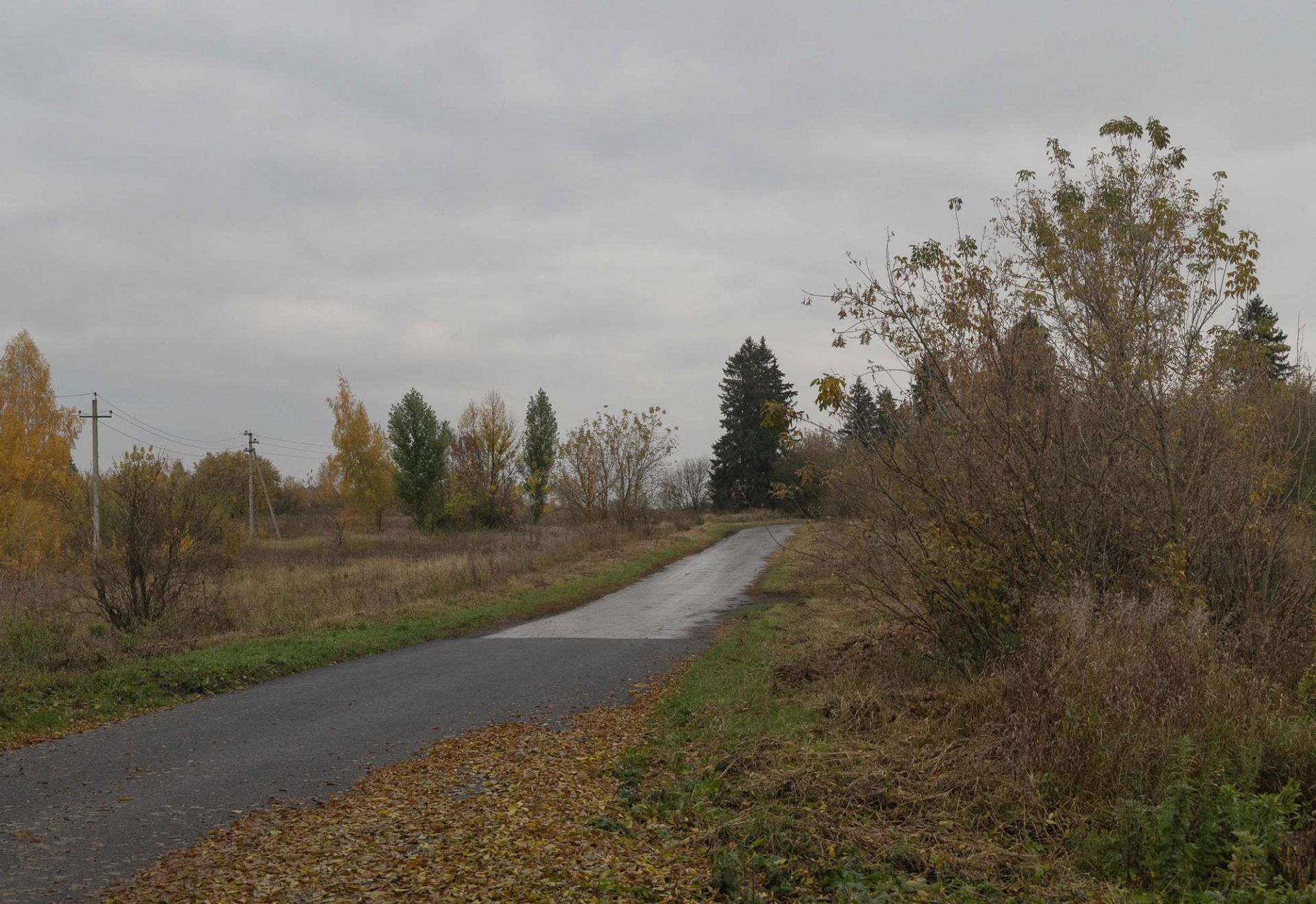
On the way back to the city with driver Igor, whose son died in the war in Ukraine, we discuss global conspiracies and other trifles. Igor is pleased that this year the road to Dictatura was finally repaired. Before, it was a total nightmare, pothole after pothole, but now—it’s good.
If you enjoyed this article, consider making a donation — one-time or, even better, monthly. Your support helps us motivate our authors and become better with every article.
Our organization is recognized by the Internal Revenue Service (IRS) as a 501(c)(3) tax-exempt, charitable organization, which means that all contributions made to us are tax-deductible to the fullest extent permitted by U.S. law. Individuals may generally deduct charitable contributions of up to 60% of their Adjusted Gross Income (AGI) for cash donations made to qualifying 501(c)(3) organizations. For donations of appreciated assets (such as stocks or other long-term capital assets), the deduction is typically limited to 30% of AGI, based on the fair market value of the asset. C-corporations may deduct charitable contributions of up to 10% of their taxable income for donations made to eligible charitable organizations.
By submitting a donation, you confirm that you have read and accept the following documents: Privacy Policy and User Agreement, and also give consent to the processing of your personal data.
If you would like to unsubscribe from a monthly donation, please email us at: [email protected]