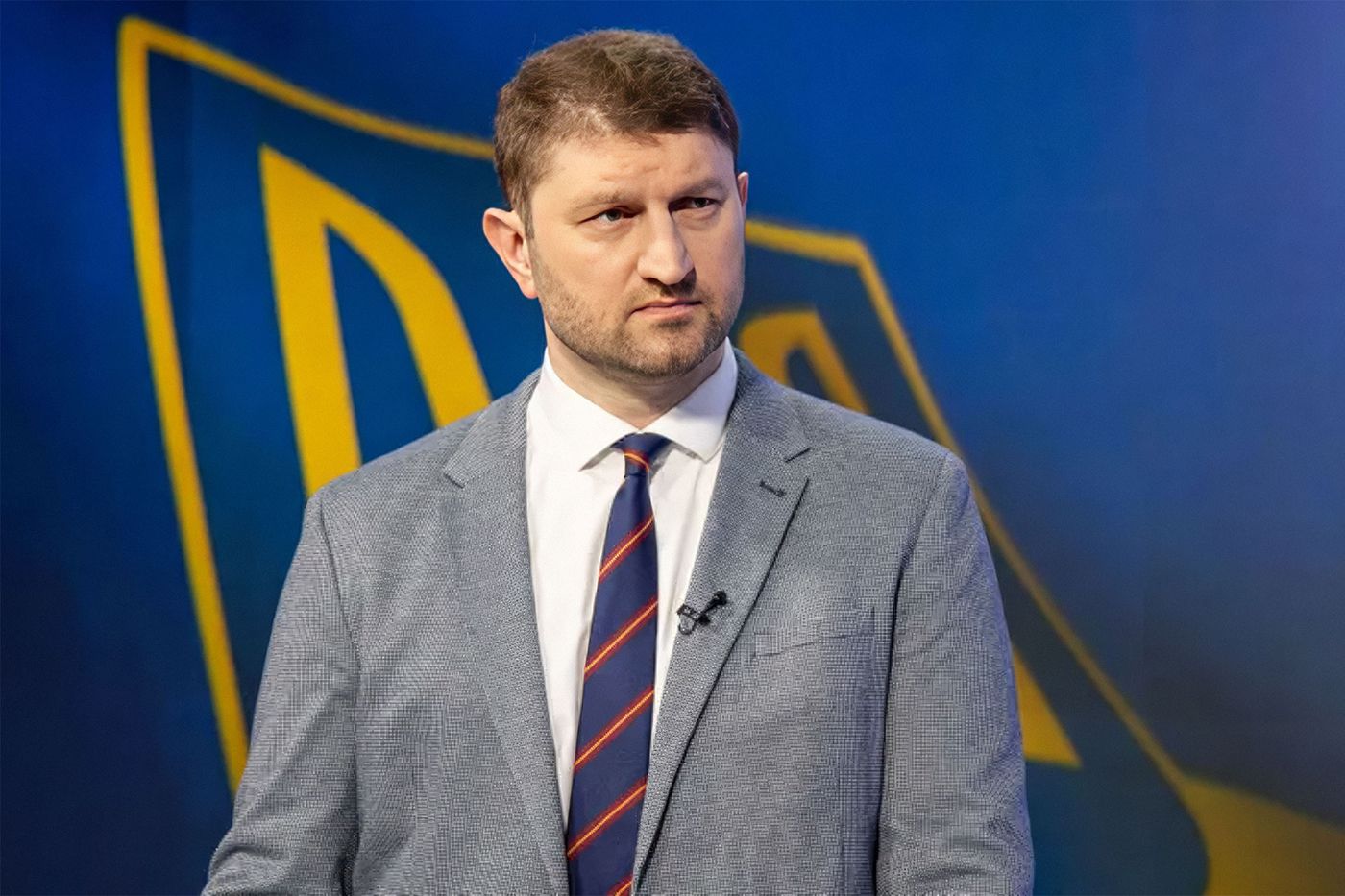
The events of the past week have shown that the negotiation process is gradually shifting from a “deadlock” to a “stalemate.” At least, that’s what the latest sharp statements by US President Donald Trump towards Russian President Vladimir Putin suggest. How will the process develop further? We discussed this with Igor Gretsky, an expert at the International Centre for Defence and Security (Estonia) and a political scientist.
- How do you assess the current stage of the peace negotiations?
- Let’s start with the fact that the new US administration needed a quick “deal” and chose the shortest path to it — by putting pressure on Ukraine. For this, Washington launched two diplomatic tracks.
The first aims at rebooting relations with Moscow. Meetings have already taken place in Riyadh and Istanbul. In between, Kremlin emissary Kirill Dmitriev visited Washington. The agenda here is the “normalization” of embassy operations in both countries and lifting sanctions on Russia to restore trade relations.
The second track aims to shift Ukraine’s “red lines” and essentially impose surrender terms on it. Steve Witkoff didn’t visit Moscow just to threaten Putin with sanctions or to work out compromises. Apparently, his task was to find a way to package Russian ultimatums so they could be sold to the US Congress, as well as Europe and Ukraine.
On neither track has the American president managed to advance far. Firstly, supporters of Ukraine still hold the majority in the American establishment, including among Republicans. They won’t let Trump simply leave Ukraine alone against Russia. To overcome this barrier, Kit Kellogg and Steve Witkoff want Kyiv to recognize Crimea as Russian territory. Then, with the words “the Ukrainians agreed to this themselves,” Trump would ask Congress to lift sanctions on Russia.
Secondly, there are European partners of Ukraine who see Russia’s invasion as a sharp and immediate threat to their own security. They will continue supporting Ukraine at all costs.
Thirdly, Putin is not budging an inch from his positions. He wants to impress Western countries that the initiative is in his hands, that he experiences no significant difficulties, and therefore has no need to rush.
Overall, there are no real peace or ceasefire negotiations, only their imitation.
Putin has built a wall of ultimatums and expects Trump’s desire to score political points with a “quick deal” to push him to intensify pressure on Ukraine to force a de facto surrender.
Zelensky, in turn, clearly understands the motives of both Putin and Trump but is forced to participate in the “negotiations,” trying not to give Washington any reason to accuse him of being uncooperative. And this game of negotiations has been going on for four months now.
- How do you assess Ukraine’s position at the moment?
- Most of Europe does not feel involved in the war against Russia. Although after Russia’s invasion in 2022 and Donald Trump’s election victory in 2024, European countries have come much closer in understanding the sources of threats to their security, significant differences still remain. Nevertheless, support for Kyiv remains one of the key foreign policy priorities for many of them. Ukraine’s rear is quite strong. The volume of artillery shell deliveries is increasing under the Czech initiative. The use of revenues from Russian assets to supply weapons and ammunition has begun. Defense enterprises are receiving more and more orders. Military supply and assistance programs are noticeably expanding from Germany, France, Denmark, Norway, Poland, the Baltic states, the Netherlands, Sweden, and Finland.
Overall, militarily Ukraine has grown stronger. The role of the US in military supplies remains very important and significant, but it can no longer be called critical. For example, domestic production of artillery shells already covers about 40% of the Ukrainian Armed Forces’ needs, and drone production has increased almost a thousandfold in three years. Thanks to the latter, more than half of Russia’s heavy equipment is destroyed.
The most important result of these almost three and a half years is that Ukraine has stood firm as a state. By the way, it would have been much easier for Trump to play his hand in February–March 2022, and of course, it would have been harder for Ukraine to resist the Russian invasion.
- Not long ago, there was an announcement about the “Coalition of the Willing”. How do you assess the efforts within this initiative? As an illustration, I can cite this opinion: “So what is really happening? I’m worried that the answer is ‘nothing.’ Or maybe it’s even worse. Maybe that’s the plan. Maybe no one ‘wants’ to do anything more than just talk about being ready” (former Lithuanian Foreign Minister Gabrielius Landsbergis).
- The idea of the coalition is sound, but without political will and determination, its meaning is completely hollowed out. It is based on what security guarantees for Ukraine might look like after a ceasefire with Russia begins, but I think that is still very far off. Moreover, the coalition’s initiators have yet to provide a clear answer to the question: “What if Russia once again violates agreements and resumes capturing Ukrainian territory?”
In theory, the presence of European armies on Ukrainian territory should be a factor restraining Russia’s appetites. But this arrangement will only work if the political leadership of the participating countries has an iron will to engage in combat with Russia if it violates the ceasefire. Putin can only be restrained by a coalition if he knows Europe will respond harshly and a month later he will have a headache about how to evacuate his occupation army from Crimea. However, the readiness to send such a signal to the Kremlin is currently absent.
Igor Gretsky. Photo: Eero Vabamägi
- Recently, at a meeting in Luxembourg, the Committee of Ministers of the Council of Europe launched the process of creating a special tribunal for the crime of Russian aggression against Ukraine. How do you assess its effectiveness?
- The effectiveness of the special tribunal can only be assessed after years. Skeptical comments are heard now. People say it will take a long time, and who will even arrest and bring Putin and his accomplices to court? These remarks are fair, especially since there is no serious opposition to the regime either inside or outside Russia.
But I have no doubt about the necessity of the special tribunal. Among other things, I see two fundamentally important advantages. First, the special tribunal will become an additional institutional safeguard against restoring relations between Europe and Russia based on formulas like “Wandel durch Handel” or “partnership for modernization.” Second, the investigation of Russian aggression against Ukraine will regularly draw public attention and raise awareness of the aggressive nature of Russia’s foreign policy among an ever wider European audience.
- Meanwhile, the European Union has introduced a new package of sanctions against Russia. What do you think about this new package?
- The new package primarily targets Russia’s shadow fleet used for trading oil and petroleum products circumventing sanctions. Currently, about half of the tankers used by Russia are covered by restrictions, but sanction lists will definitely be expanded. The West understands the need to act faster and more coherently. For example, ideas are being discussed to impose speed restrictions on suspicious ships and to intensify cooperation with flag states that help Russia register its “shadow fleet.” In any case, the Kremlin’s ability to replenish the “shadow fleet” and endlessly play cat and mouse is not unlimited.
However, the main political message of sanctions policy is that Europe has learned the necessary lessons from the past.
As Finnish President Alexander Stubb recently stated, at least during our lifetime there will be no more “Nord Streams,” nor a return to the previous format of relations between Europe and Russia. In other words, for at least the current generation, the chasm dug by Russia is permanent.
- But there is an opinion that sanctions policy no longer works. If not sanctions or Trump’s persuasion, then what could influence Putin?
- I find that hard to agree with. First, such broad generalizations hardly help to understand how well sanctions work. It is important to consider the volume of restrictions and the effectiveness of their enforcement mechanisms. This is clearly seen in the example of the US and EU sanctions policies toward Russia. After the annexation of Crimea, Washington acted much more actively — largely because US trade with Russia was many times smaller than that of the EU. American sanctions covered a wider range of sectors and included more individuals and legal entities compared to European measures. This meant some Russian figures and companies could not operate in the US but felt quite comfortable in Europe. After February 2022, the “gap” between US and EU sanction lists has gradually narrowed.
Secondly, and this is an axiom, sanctions should be judged over the long term. Just look at Iran, where living standards and household consumption could now be two to three times higher. Moreover, sanctions severely limit Tehran’s ability to sponsor terrorists from Hezbollah, Hamas, and Houthi groups. Yes, Iran has adapted to some sanctions, but the long-term economic costs remain colossal. Sanctions work on Russia by the same principle, making everything more expensive and complicated for it.
I am convinced that the potential of sanctions against Russia is far from exhausted. Many options remain, from secondary sanctions to a total ban on trade with Russia, which would greatly simplify enforcement of restrictions. But the most effective measure, it seems to me, is the complete confiscation of the aggressor’s sovereign assets with subsequent investment into the development of Ukraine’s and Europe’s military-industrial complex, as well as purchasing weapons for the Ukrainian Armed Forces from the US and other manufacturers. Extraordinary measures are necessary in the current situation.
- Your forecast for the rest of the year?
- I have no high expectations for the so-called “negotiations” between the US, Russia, and Ukraine. They were fruitless from the start and began because of the new American president’s uncontrollable desire to prove his predecessor wrong. By taking what he thought was the shortest path to a “deal,” Donald Trump has lengthened the road to ending the war between Russia and Ukraine.
However, a pro-Ukraine majority remains in Congress, not only among Democrats but also Republicans. In the Senate, a bill supported by 80 senators on sanctions against imports from countries buying Russian gas, oil, petroleum products, and uranium is already under consideration. Even the fiercest MAGA supporters admit that
if the US enters the new year in recession, Republicans will lose the next midterm elections and their majority in Congress. The more tangible this prospect becomes, the stronger the pro-Ukraine majority’s voice in Congress will grow and the more pressure there will be on Trump to shift his pressure from Kyiv to Moscow.
As for Europe, many questions remain regarding the upcoming NATO Summit in The Hague. There is uncertainty about how much the US will reduce its military presence in Europe and what the final summit communiqué will look like amid Washington’s clear reluctance to call Russia an aggressor. There have already been precedents when at the UN and G7 levels the US delegation opposed including paragraphs in resolutions naming Russia as the aggressor responsible for attacks on Ukrainian cities. There are concerns that something similar might happen at the NATO Summit in The Hague.
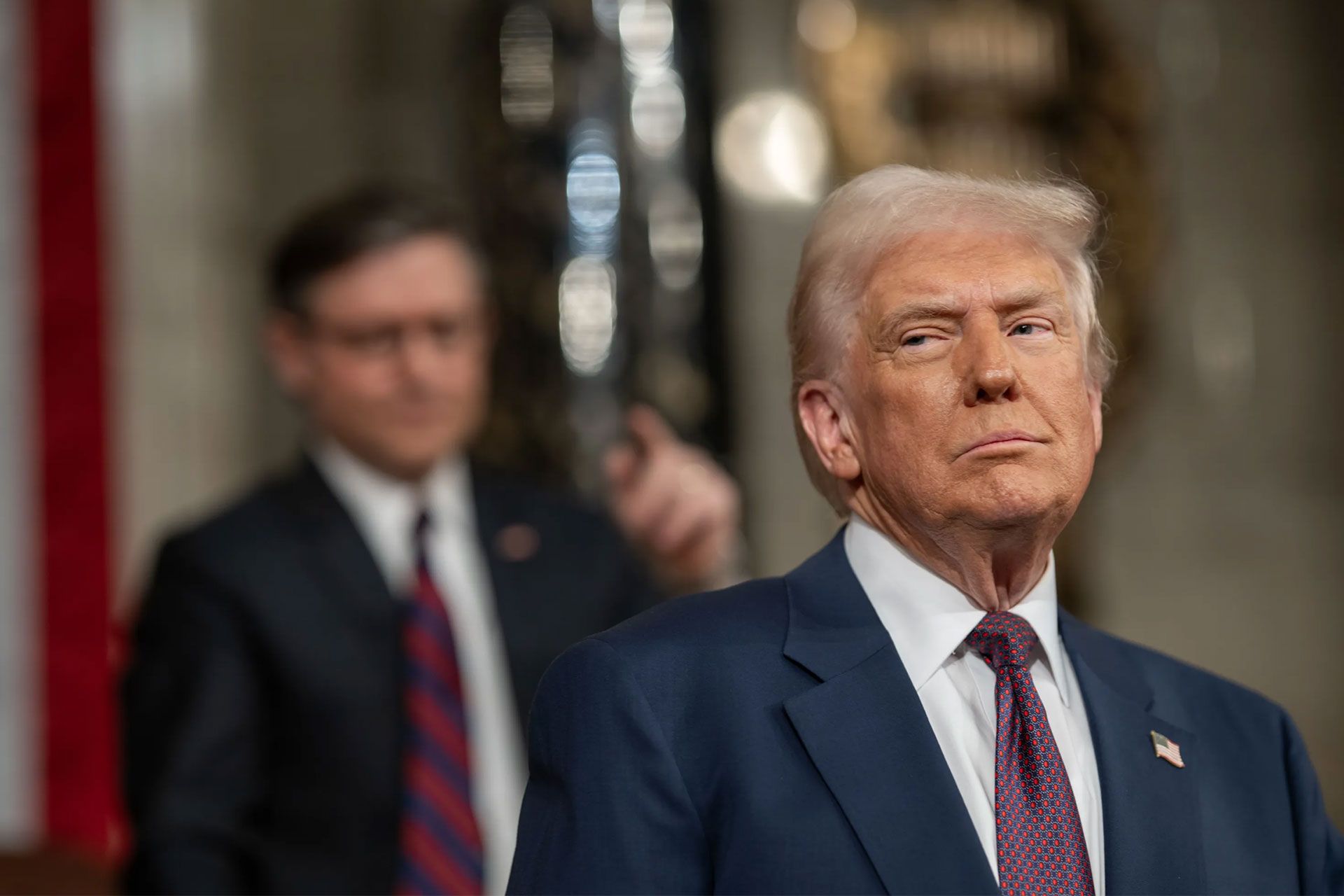
Main photo – Donald Trump. Source: White House website
If you enjoyed this article, consider making a donation — one-time or, even better, monthly. Your support helps us motivate our authors and become better with every article.
Our organization is recognized by the Internal Revenue Service (IRS) as a 501(c)(3) tax-exempt, charitable organization, which means that all contributions made to us are tax-deductible to the fullest extent permitted by U.S. law. Individuals may generally deduct charitable contributions of up to 60% of their Adjusted Gross Income (AGI) for cash donations made to qualifying 501(c)(3) organizations. For donations of appreciated assets (such as stocks or other long-term capital assets), the deduction is typically limited to 30% of AGI, based on the fair market value of the asset. C-corporations may deduct charitable contributions of up to 10% of their taxable income for donations made to eligible charitable organizations.
By submitting a donation, you confirm that you have read and accept the following documents: Privacy Policy and User Agreement, and also give consent to the processing of your personal data.
If you would like to unsubscribe from a monthly donation, please email us at: [email protected]