The organizers of the November UN climate summit in Belém, Brazil, called the thirtieth round of annual negotiations a “moment of truth” and a “time for action.” “Arctida’s” analyst who attended the summit, explains why these expectations were not met.
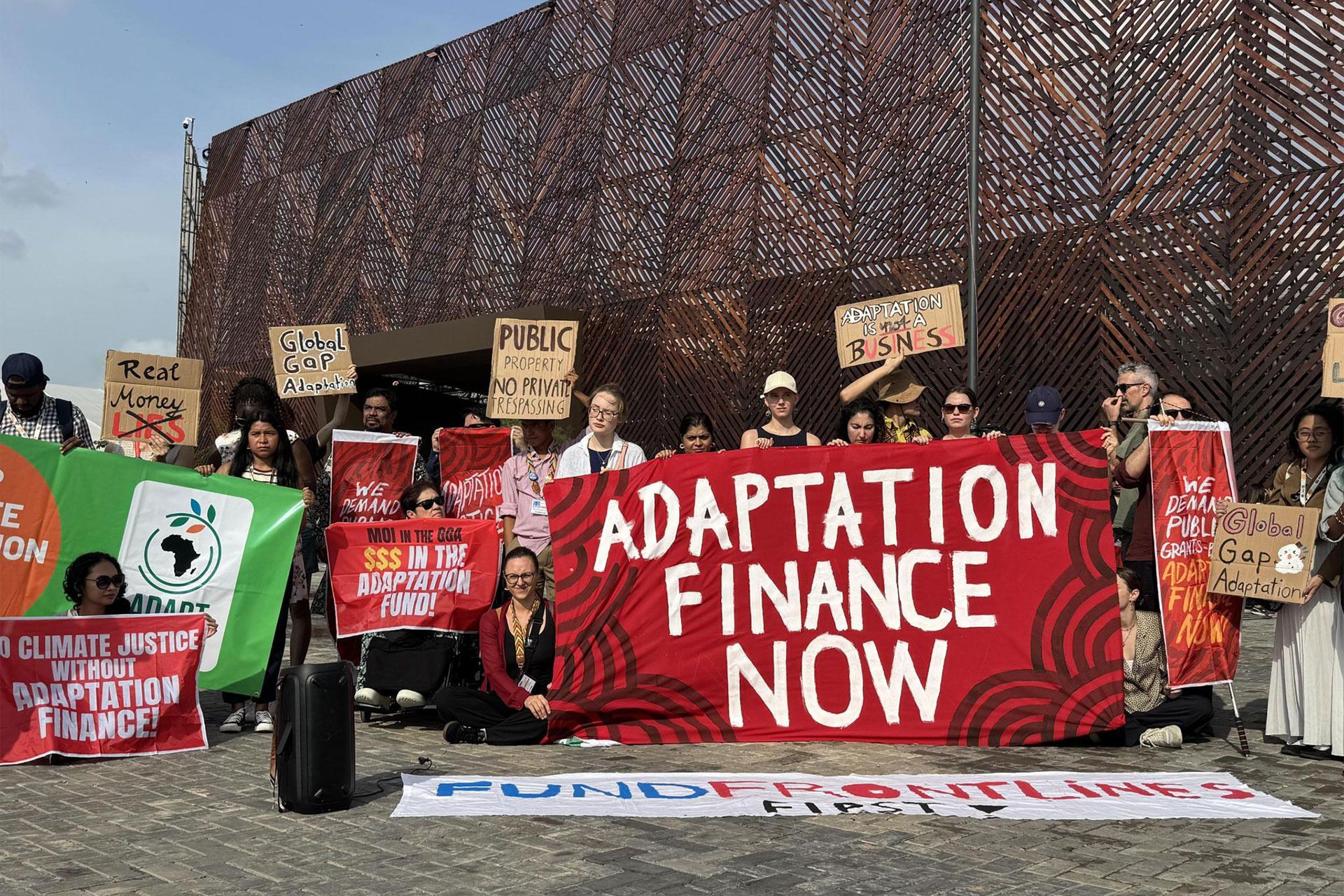
Protesters at the climate summit in Belém. Photo: Friends of the Earth International
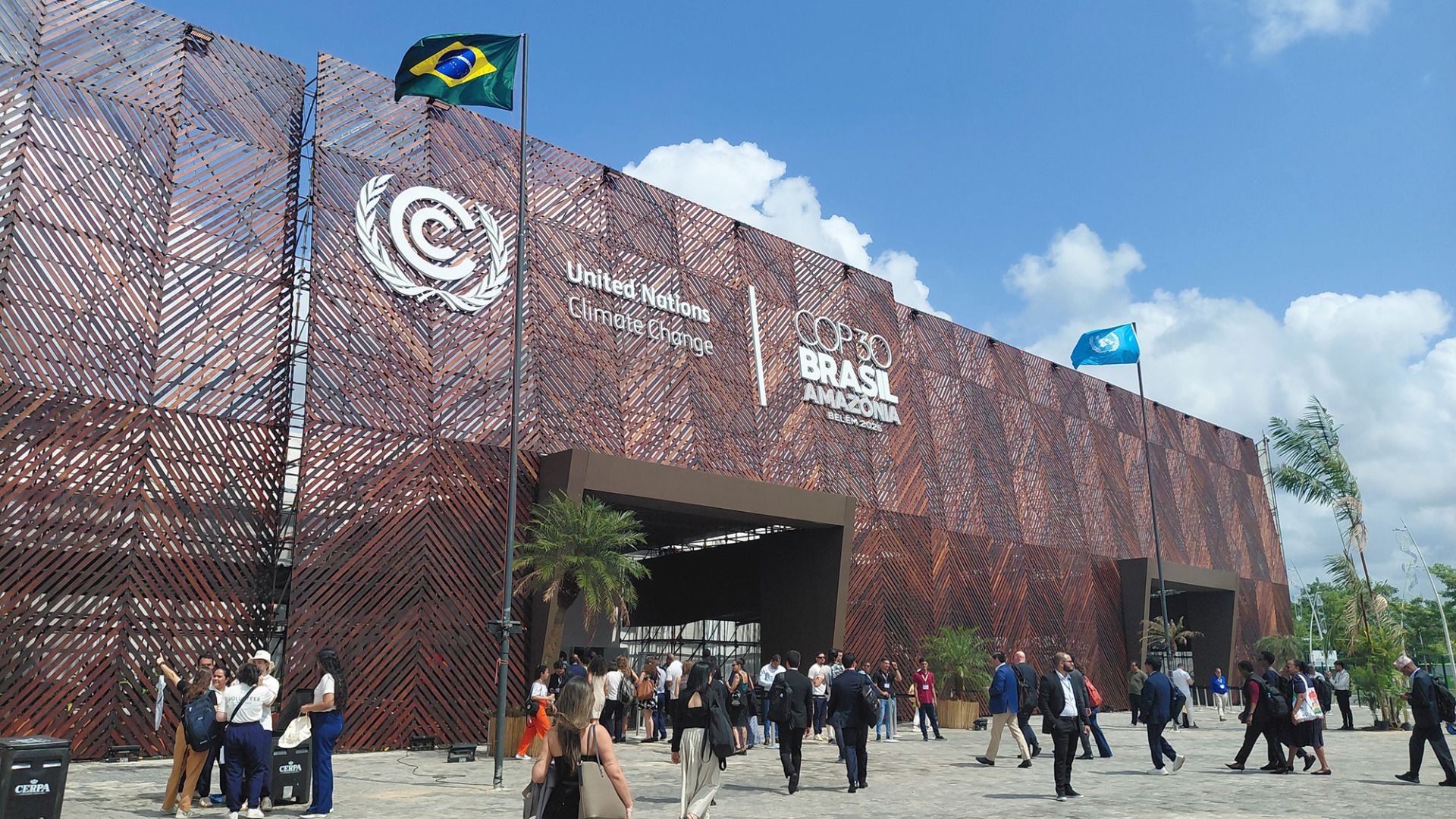
Today, more than 3.5 billion people live in areas exposed to the negative consequences of the climate crisis: floods, typhoons, extreme temperatures, and other phenomena that threaten human lives and the stability of local ecosystems. This affects not only island and coastal regions and countries of the Global South, but also the Arctic. And the outlook for residents of vulnerable regions, as well as for their descendants, is negative: by the end of the 21st century, a temperature rise beyond 2°C above pre-industrial levels will lead to catastrophic consequences for people and ecosystems. Against this backdrop, the COP30 climate summit was held in Belém in November 2025.
The first UN Framework Convention on Climate Change conference took place 30 years ago in Berlin. And 10 years ago, 195 countries adopted the Paris Agreement—an international treaty on climate change. All of them agreed to limit global temperature rise to 2 degrees Celsius above pre-industrial levels, while making every effort to keep the increase to 1.5 degrees.
Photo: Arctida
One way to achieve the Paris Agreement’s goal is through Nationally Determined Contributions (NDCs). These are plans set out by the parties to the agreement as part of national climate policy, which must include measures to reduce greenhouse gas emissions and actions to adapt to the consequences of climate change. Countries must update their NDCs every five years and report to the UN. Based on these updated plans, it is possible to assess how far countries have progressed in combating the climate crisis and to predict global temperature trajectories depending on the measures declared.
The COP30 conference in Belém was already the third round of NDC updates.By the end of the negotiations, 119 countries had submitted new plans, and their analysis showed that the world is no closer to achieving the Paris Agreement’s goal. Even if countries fully meet their commitments, the current trajectory of average global temperature rise indicates: global warming still stands at about 3°C per year instead of the necessary one and a half degrees.
Global Mutirão: Hidden Disagreements
One outcome of the conference was a general document combining the formal agreements of COP30 and issues not included in the official agenda. Such documents are also called Cover Decisions; they summarize the overall results of the climate conference and are adopted by consensus of all negotiating parties at the final session. Mutirão in Portuguese means “collective action aimed at achieving a common goal“. But the negotiations showed that summit participants in Belém found it difficult to reach common ground.
The agreement text recognizes climate change as a shared problem for all humanity and emphasizes the need for a comprehensive solution to interconnected global crises—beyond climate change, this includes loss of biodiversity and land and ocean degradation.
Developed economies must triple adaptation funding for developing countries over the next 10 years. But they are unwilling to do so.
Currently, under the UN climate convention, funds for adapting to global warming are distributed by the Climate Fund and Adaptation Fund. Developed countries—the UK, USA, European Union, Japan, Australia—make annual contributions to these funds, which then allocate resources to Global South countries: this group includes India, China, Bangladesh, Brazil, Nigeria, and island states. According to the latest published data, in 2023 donor countries allocated about $26 billion for adaptation—compared to $28 billion in 2022. And this is an order of magnitude less than needed: analysis shows that to successfully implement adaptation measures, more than $300 billion a year needs to flow into public climate funds.
Another problem is how countries plan to implement these calls. The agreement does not mention roadmaps for phasing out fossil fuels and combating deforestation, which were present in the first draft released at the beginning of the second week of negotiations. There are also no references to the need to abandon fossil fuels. These statements disappeared from the text at the initiative of several resource-extracting countries. It is clear that, even if Paris Agreement parties talk about reducing greenhouse gas emissions and the importance of fighting the climate crisis, many of them are not ready to enshrine specific steps in documents that would directly affect their industries and economies.
The goal of increasing adaptation funding also sparked debate. The most vulnerable developing countries—small island states, Latin American and Caribbean countries—were dissatisfied that the target for tripling funding was pushed back to 2035, whereas the original draft had 2030.
In 10 years, vulnerable countries will face even more devastating consequences of the climate crisis, and many already need urgent support. Meanwhile, developed countries, such as the UK and EU, are unwilling to take on additional financial commitments to support developing economies.
At the same time, over three decades of UN climate summits, the economic characteristics of many countries have changed significantly. For example, China, with one of the world’s largest economies and also being among the top greenhouse gas emitters, is still classified as a developing country—which means it is eligible for financial support from public climate funds.
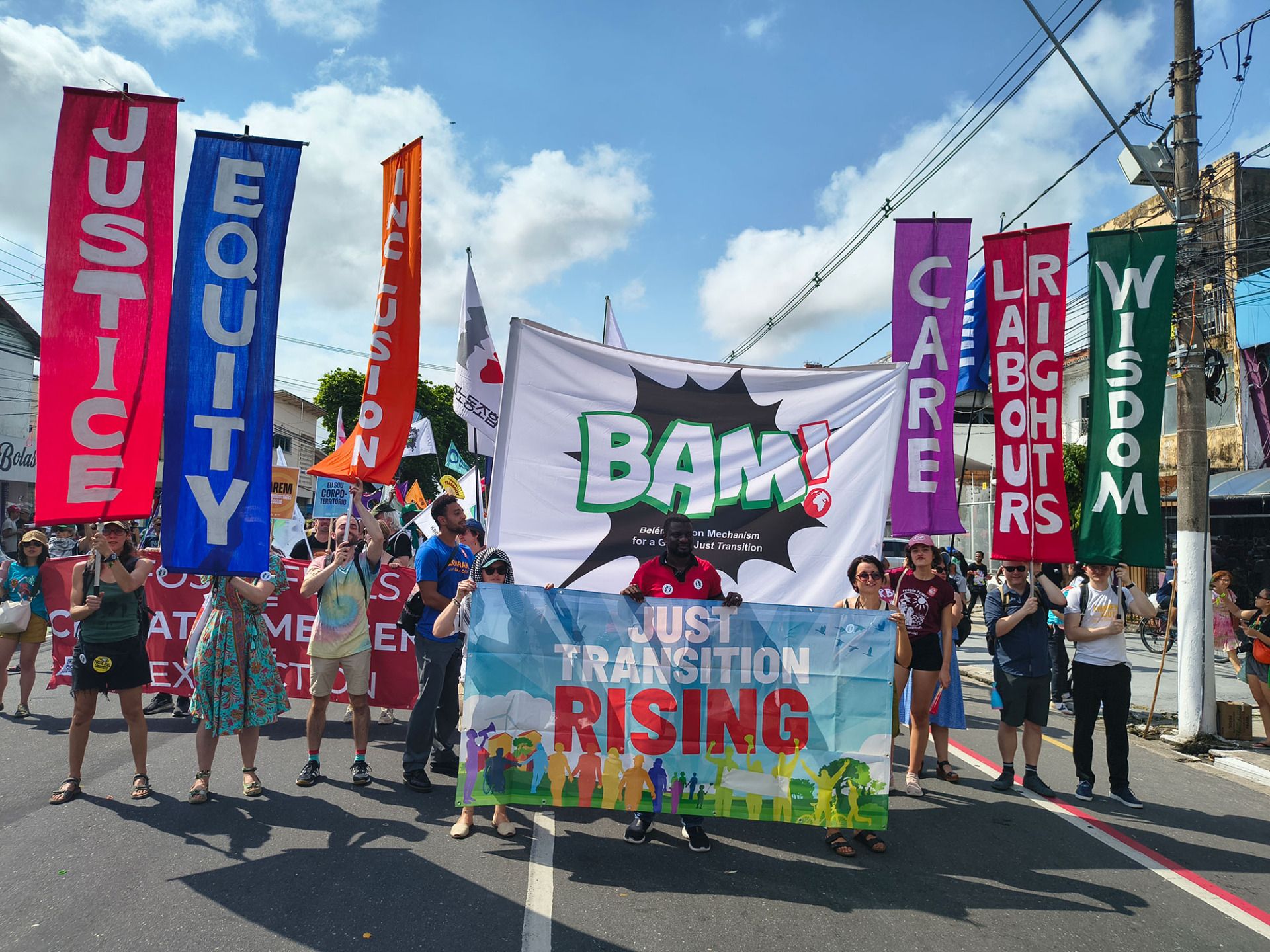
Photo: Climate Action Network
Russia: Minimal Commitments
In the early 1990s, when the UN began holding regular climate summits, Russia and other former socialist bloc countries were just recovering from the collapse of the USSR and “transitioning“ from a planned to a market economy. Therefore, they were included in the group of countries with economies in transition. Since then, Russia has not been required to contribute to climate funds (though it can if it wishes). But unlike developing countries, it also does not receive financial aid from these funds.
Russia’s international isolation has contributed to the Russian delegation being less active at the Belém summit than in previous years. The country had no separate pavilion for daily events organized by businesses and government representatives. The delegation even declined the traditional official event where Russia usually presents its views on the climate crisis and international cooperation in detail.
Russia’s position could only be judged by the speech of the Foreign Ministry’s special envoy on climate issues, Sergey Kononuchenko, at the start of the conference’s second week. He stated that Russia recognizes the importance of fighting climate change and joint international cooperation. But he called the shift of the main focus to reducing greenhouse gas emissions “a dangerous imbalance“ and suggested placing more emphasis on adaptation measures. This statement in Belém fits with Russia’s long-term stance at climate conferences. However,
now Russia’s reluctance to actively engage in combating the climate crisis is becoming increasingly evident.
This is indicated by persistent proposals not to introduce new mechanisms and obligations for agreement parties, and a refusal to see greenhouse gas reduction as a necessary priority. At climate summits, Russian representatives have for many years insisted on using the term “low-carbon economy“, citing a reluctance to abandon fossil fuels. At the same time, they promote the concept of “technological neutrality“ in an attempt to shift the focus from renewables to natural gas and nuclear energy. According to Russian officials, the choice of technology is less important than achieving a balance between emissions and CO₂ absorption. Russia’s position is logical, given that the country puts its industrial interests above environmental protection. An example is the intensive industrialization of the Arctic despite permafrost thawing and other significant climate risks in the region.
Russia is not the only country taking a blocking stance in climate negotiations. In alliance with other resource-extracting countries, such as Saudi Arabia, agreement parties consistently oppose including any mention of fossil fuels in official documents, trying to preserve the energy status quo. Even the NDCs submitted by the country this year imply an increase in greenhouse gas emissions instead of a reduction.
If Russia does not change its approach and does not begin to actively reduce greenhouse gas emissions in practice and implement adaptation measures, the primary harm will be to people and ecosystems. And the greenhouse gases generated by Russia will worsen climate change for the entire planet.
By refusing to cut emissions and slowing progress on international agreements, Russia gains nothing but short-term financial benefit by continuing to develop the fossil fuel industry. In the long run, this position may lead to tragic consequences for both the economy and the people of Russia. The desire to increase greenhouse gas emissions will only exacerbate the consequences of the climate crisis. This will especially harm already vulnerable regions, such as the Arctic.
If you enjoyed this article, consider making a donation — one-time or, even better, monthly. Your support helps us motivate our authors and become better with every article.
Our organization is recognized by the Internal Revenue Service (IRS) as a 501(c)(3) tax-exempt, charitable organization, which means that all contributions made to us are tax-deductible to the fullest extent permitted by U.S. law. Individuals may generally deduct charitable contributions of up to 60% of their Adjusted Gross Income (AGI) for cash donations made to qualifying 501(c)(3) organizations. For donations of appreciated assets (such as stocks or other long-term capital assets), the deduction is typically limited to 30% of AGI, based on the fair market value of the asset. C-corporations may deduct charitable contributions of up to 10% of their taxable income for donations made to eligible charitable organizations.
By submitting a donation, you confirm that you have read and accept the following documents: Privacy Policy and User Agreement, and also give consent to the processing of your personal data.
If you would like to unsubscribe from a monthly donation, please email us at: [email protected]