This coming Saturday, Russia may wake up to a new reality. Or not, if Trump, contrary to his promise, does not impose sanctions on countries buying Russian oil, gas, and uranium.
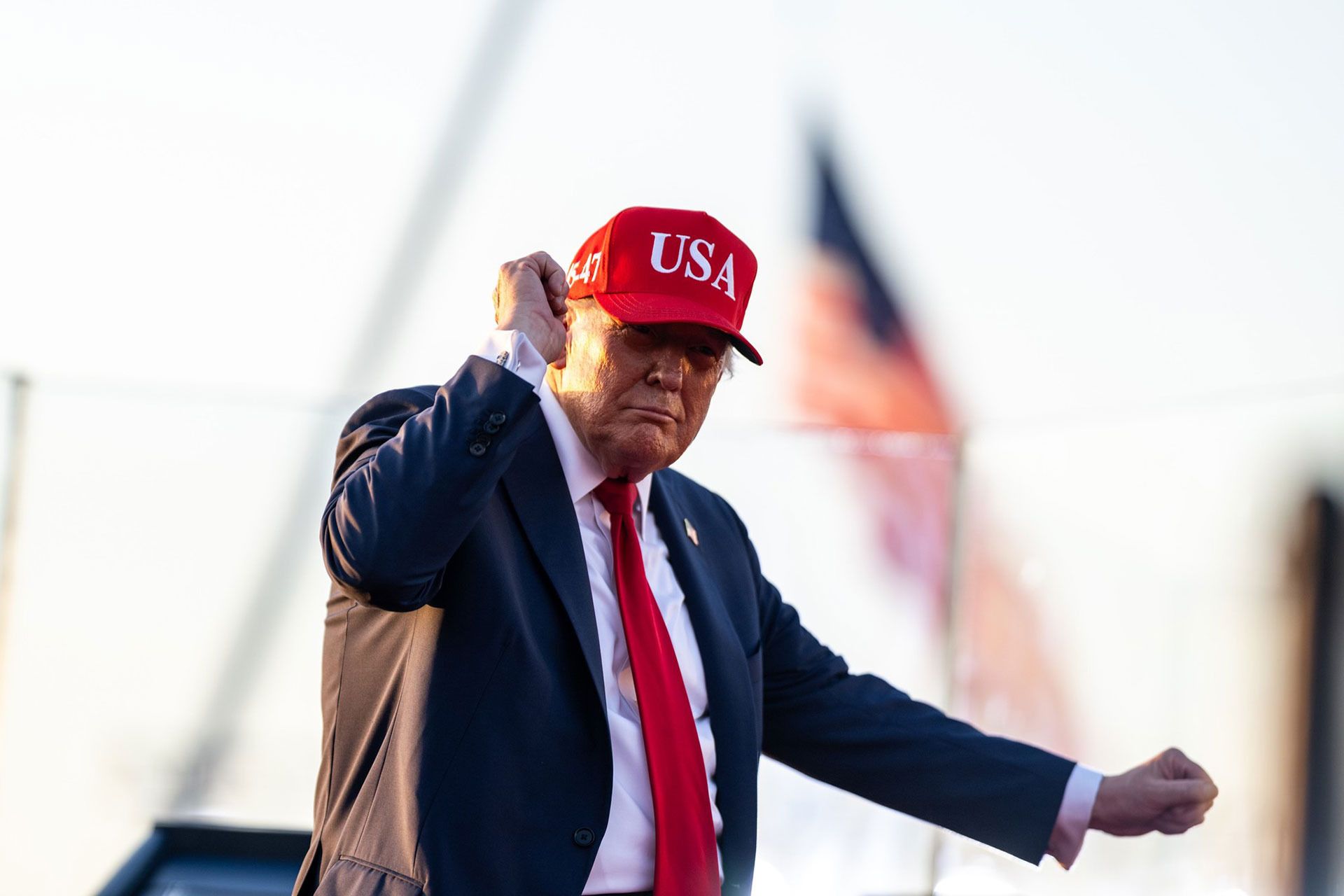
Photo: The White House
Last week, US President Donald Trump shortened the deadline of his ultimatum to Russian President Vladimir Putin: now 100% sanctions on buyers of Russian oil, gas, and uranium will be imposed not by September 3, but already from August 9, if Russia does not reach a ceasefire with Ukraine. Political analysts can ponder the reasons behind this acceleration, although one is obvious – Trump himself voiced it, saying he received no reaction from the Kremlin to his ultimatum and no longer expects one, as he is no longer interested in negotiations with Putin. However, it is worth examining how serious this ultimatum is for the Russian economy.
The Russian, and not only Russian, press is full of assurances that Trump's ultimatum will have no effect.
Indeed, India immediately declared that it replaced Russian oil with Middle Eastern and American supplies, and its refineries stopped purchases even before the deadline. But these are state-owned refineries. India also has two major private buyers of Russian oil, primarily from Surgutneftegaz and Rosneft – the companies Reliance Industries and Nayara Energy. Moreover, Nayara belongs to Rosneft itself, so the company is unlikely to refuse processing oil from its parent company. Plus, on Saturday, there were statements from government sources that no orders have been given to stop buying Russian oil at state refineries, and it is not so easy to break long-term contracts. Especially since India buys Russian oil below the “ceiling” price. China, meanwhile, stated that it “is a sovereign state with energy needs, and oil purchases will be based on the country's internal policy.” Nothing has been heard from other countries buying Russian oil, but that is not so important – China and India account for just under 80% of Russian oil exports.
However, statements should not be confused with reality. Officially, China has not reacted to the ban on working with Russian banks, but leading Chinese banks have long ceased doing so. Today, transactions go through the Chinese subsidiary of Russia's VTB and small regional banks that have consciously broken with the global financial system in pursuit of superprofits from cooperation with Russia.
India has already received its first warning: from August 1, its goods and services in the US are subject to 25% tariffs. Not so scary yet, though unpleasant – especially for the Indian IT sector. But further on, tariffs of 100% are discussed, and maybe even 500% will be imposed – the bill on them has been postponed but not removed from the agenda. Will India be willing to quarrel with the US, which, by the way, supports it in its dispute with China, for savings on oil purchases? A rhetorical question. More likely, despite assurances that trade cannot be curtailed, it will indeed be curtailed – although it is possible that bypass routes through third countries will appear.
It's more complicated with China – it is not so much about buying Russian oil (although the discounts it receives are clearly excellent) as about making a real deal with Trump. Or rather – a Deal.
What Xi Jinping wants is clear: he wants Taiwan. But what Trump is ready to offer is the question. Taiwan is unlikely – the island is important for maintaining US leadership in the current technological race. But what else?
Zero tariffs on Chinese goods – unlikely. For the US, the expansion of Chinese goods is indeed a serious threat. Tesla is threatened not by German Mercedes or Japanese Toyota, but by Chinese BYD. For American industry, the critical threat is not European factories but Chinese industrial clusters. One can debate how sensible it is to bring sneaker manufacturing or iPhone assembly back to the US, but at a macro level, the Chinese dragon is a serious threat to American economic leadership.
Will Trump succeed in offering China something that interests it and does not threaten the US? The shortening of the ultimatum deadline gives a small hope: maybe the American president simply lost patience, but it is also possible that his subordinates have already held preliminary talks with their Chinese counterparts and some compromise is outlined. Then there really is no point in dragging it out to September: on the contrary, the Deal could be announced precisely during Putin's visit to Beijing. Such a brilliant trolling would be appreciated by both Trump and Xi.
But what if China still balks and 100% tariffs are imposed? Here everything depends on how much trade with Russia justifies such sacrifices. China's trade turnover with Russia in the first half of 2025 was less than $106.5 billion. China's trade turnover with the USA for the same period was at least $450 billion. This is after the start of the trade war, during which trade turnover fell by 20%. By the way, trade with Russia also fell – by 9.1%.
No, pragmatic Xi will not sacrifice hundreds of billions of dollars a year for Putin. The only reason the Chinese side might make sacrifices is the interests of China itself. And the main interest is the “return to the home harbor” of Taiwan.
So regardless of whether China agrees to Trump's ultimatum or formally refuses it – in practice, Russian oil exports will turn into the same kind of smuggling as Iranian oil exports. By the way, this will happen even if China formally agrees to stop buying Russian oil. Most likely, all other buyers will act the same way.
And then, while the Russian press enthusiastically writes and the Western press indignantly reports that Russia continues to get money for war from oil sales, in reality the flow of petrodollars (or rather, now petrorubles or petrocrypto) will sharply decline. And if today the budget loses up to a third of its previous income from exporters, soon oil revenues will simply cease to be significant. Of course, the budget has other sources – not for nothing taxes are rising. But oil exports are currency, and currency is needed at least for purchasing critical goods for the war.
The example of Iran is telling: yes, even under a full oil embargo, it managed to finance numerous proxies throughout the Middle East – but technologically it lagged so far behind that it reached an internal energy crisis. The country can no longer supply its supporters with modern weapons because it lacks them itself. By the way, the full oil embargo on Iran was imposed not long ago, during Trump's previous term. So leave stories about Iran ignoring sanctions for 40 years to Russian propaganda.
Of course, Russia will not find itself in Iran's situation tomorrow. Moreover, after the initial market falls and ruble collapse from August 9, everything will most likely recover – along with the usual feeling that nothing terrible has happened. But that is the scariest part: instead of a sharp but short-lived visible economic decline, there will be a slow but unstoppable “negative growth” – with degradation of all sectors, a drop in real living standards, catastrophic technological backwardness, and the transformation of Russia from a rapidly developing young giant into a shrinking failed state economy. And no ruins of captured Ukrainian cities will change that. Kremlin residents should now pray that the owner of the White House “backs down” again.
If you enjoyed this article, consider making a donation — one-time or, even better, monthly. Your support helps us motivate our authors and become better with every article.
Our organization is recognized by the Internal Revenue Service (IRS) as a 501(c)(3) tax-exempt, charitable organization, which means that all contributions made to us are tax-deductible to the fullest extent permitted by U.S. law. Individuals may generally deduct charitable contributions of up to 60% of their Adjusted Gross Income (AGI) for cash donations made to qualifying 501(c)(3) organizations. For donations of appreciated assets (such as stocks or other long-term capital assets), the deduction is typically limited to 30% of AGI, based on the fair market value of the asset. C-corporations may deduct charitable contributions of up to 10% of their taxable income for donations made to eligible charitable organizations.
By submitting a donation, you confirm that you have read and accept the following documents: Privacy Policy and User Agreement, and also give consent to the processing of your personal data.
If you would like to unsubscribe from a monthly donation, please email us at: [email protected]