One of the most high-profile political assassinations in modern Russian history took place on January 19, 2009. On that day, Stanislav Markelov, a lawyer from the Moscow Human Rights Center, and Anastasia Baburova, a freelance correspondent for Novaya Gazeta, were shot dead by an activist from the far-right group BORN (Combat Organization of Russian Nationalists). They were killed because they supported the anti-fascist movement. And a recent accomplice in this crime was recently released from prison.
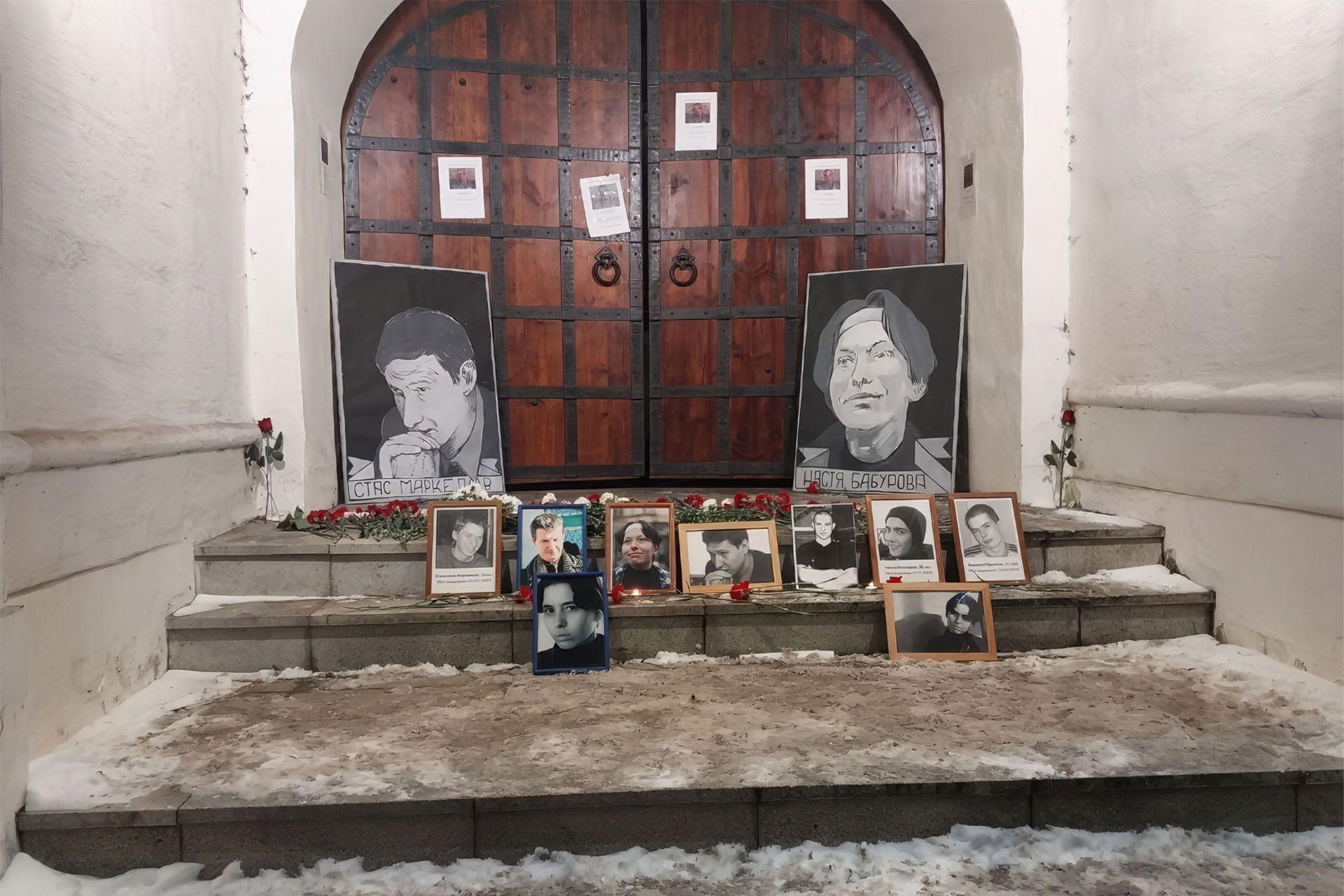
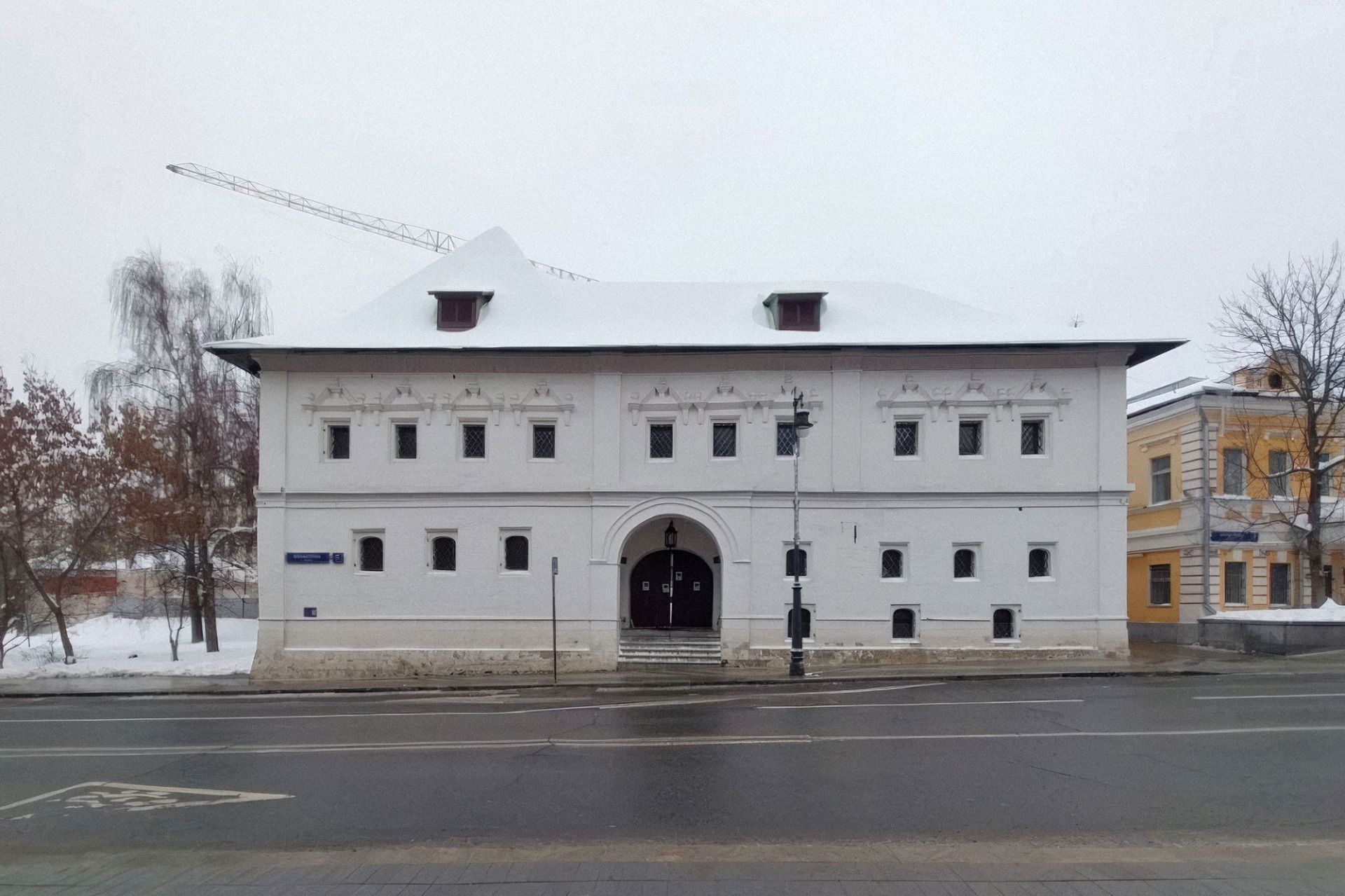
In 2009, January 19 also fell on a Monday. The head of BORN's “militant wing,” Nikita Tikhonov, was waiting for lawyer Stanislav Markelov and his friend, journalist Anastasia Baburova, in the middle of the workday in the very center of Moscow: by the White Chambers on Prechistenka, not far from Kropotkinskaya metro station. The killer fired twice, fatally wounding both in the head. Markelov died on the spot, and Baburova passed away in the hospital later that evening.
Tikhonov, along with Evgenia Khasis, who is referred to as his common-law wife, were found guilty of murder by a jury in the spring of 2011 and deemed undeserving of leniency. Tikhonov was sentenced to life in prison, while Khasis received 18 years and ultimately served 16. At the end of November 2025, she was released from prison and soon gave an interview to Ksenia Sobchak, where she admitted for the first time to killing Markelov, although she denied the charges in court. She also stated that she regretted killing Baburova and called herself “a hostage of [romantic] feelings.” Mediazona journalist Egor Skovoroda, author of the book “Dialogues of Killers. 11 Days Before the Arrest: Wiretaps of Nikita Tikhonov and Evgenia Khasis,” analyzed her interview in detail and pointed out where she lied.
Yesterday in Moscow there were two memorial events—one organized by the Yabloko party, the other by the anti-fascist January 19 Committee. In recent years, Yabloko members and anti-fascists have commemorated the murdered activists separately due to a longstanding conflict (in 2014, leaders of “Youth Yabloko” demanded that the Committee make the march more open and wanted to come with party flags, which the anti-fascists did not agree to). The head of Moscow Yabloko, Kirill Goncharov, when asked about the reasons for this division, replies: “That's just how tradition and our practice have developed.” He adds that he will not attend the Committee's event.
Goncharov and the head of Yabloko's analytical center, Ivan Bolshakov, open their event at noon. The day before, unknown individuals smashed the memorial plaque on the facade of the house where another Novaya journalist, Anna Politkovskaya, lived and was killed. Later at night, activists from “Civil Initiative” put up a temporary, foam board-printed sign there. At midnight, as reported by Novaya Gazeta Europe, neo-Nazis from the organization National Socialism / White Power (NS/WP), recognized as terrorist in Russia, admitted in a closed Telegram channel to destroying the memorial plaque.
“These are all links in the same chain. It shows that hatred and intolerance are once again rearing their heads in our country. And it shows that our events, like today’s, are very important,” Goncharov says in front of the White Chambers.
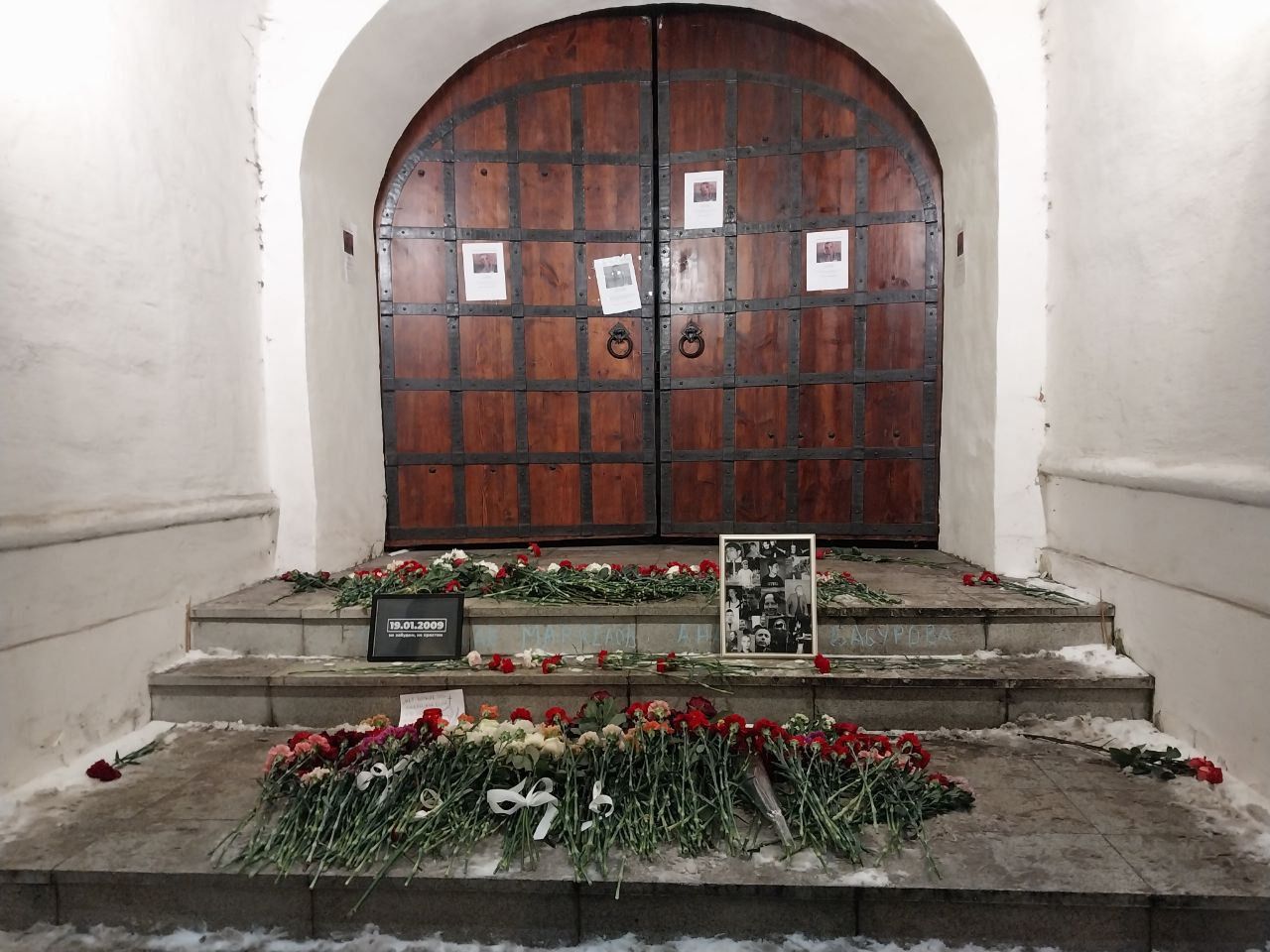
About 20 people listen to him, lay red carnations at the memorial to the murdered anti-fascists, and soon disperse.
After the event, at 12:20, a woman around 40 with her school-age son approaches the memorial. I ask if they know what happened here—the woman says no. I briefly tell her about the murder, about what Markelov did, and who BORN were.
“No, I hadn’t heard,” the woman says.
“Where is he buried?” her son asks. I couldn't answer him—I forgot it was at Ostankino Cemetery.
“Did he believe in God?” the boy asks. Just in case, I confirm that he did.
“You shouldn't kill people like that,” the boy says quietly.
“You’re doing a good thing by keeping the memory,” his mother says, and they leave the memorial.
A tour group with a guide passes by without stopping; out of 20 tourists, only two slow down. A passerby in a gray jacket photographs the memorial but declines to comment. An elderly woman looking at the photos of the deceased knows nothing about the murders of anti-fascists in Moscow. A young woman, glancing at the memorial as she walks by, thinks someone was recently shot here, but isn't interested in the details.
A little later I get a message from Matvey—a young participant in the memorial event who was in a hurry and promised to send his comment in writing. “I came with a friend. She’s been coming here for many years, but I came for the first time. Previously, on 19.01, I always had exams and couldn’t find the time. Today I finally managed to come and lay flowers,” Matvey writes. “I think such memorial events are especially important now, when nationalism is gaining momentum: growing migrant-phobia, the creation of new nationalist groups (like the Russian Community or the Northern Man). Also, Evgenia Khasis, convicted for complicity in the BORN murder of Baburova and Markelov, has been released. Unfortunately, society has already forgotten the exact details of that tragedy, so it’s important to keep reminding people of this crime and to name the killers.”
Someone who didn’t witness the active clashes between anti-fascists and neo-Nazis may not always be able to tell them apart by appearance. In 1992, director Geoffrey Wright made the film Romper Stomper starring Russell Crowe. In Russia, this film—better known as “Skins”—influenced the style of Russian skinheads; in the 1990s, many became skins regardless of political views. The color of a skinhead’s shoelaces could indicate their beliefs: black—neutral, white—racist, brown—neo-Nazi, red—communist or left radical, green—eco-fascist, blue—gay skinhead.
But the officers from Center “E” keep up with the skinheads—they also wear dark bombers and heavy boots, cover their faces with balaclavas. The only giveaways are their distinctive man-bags and, for some reason, a slightly heavier build if the officer is an adult.
At quarter to one, a young man with white carnations appears at the memorial. He says that, as last year, he came to honor his comrades, has consciously held anti-fascist views for four years, but does not belong to any organization.
“I come to the events when I can, help spread the word, help with various issues.”
“Have you had any run-ins with Nazis?”
“Yes, in '24. Back then I wore red laces, they tried to take them off me, but met this beauty,”—at these words, my companion shows his pepper spray. As he leaves, he gives me an anti-fascist salute—clenched fist, arm bent at the elbow.
***
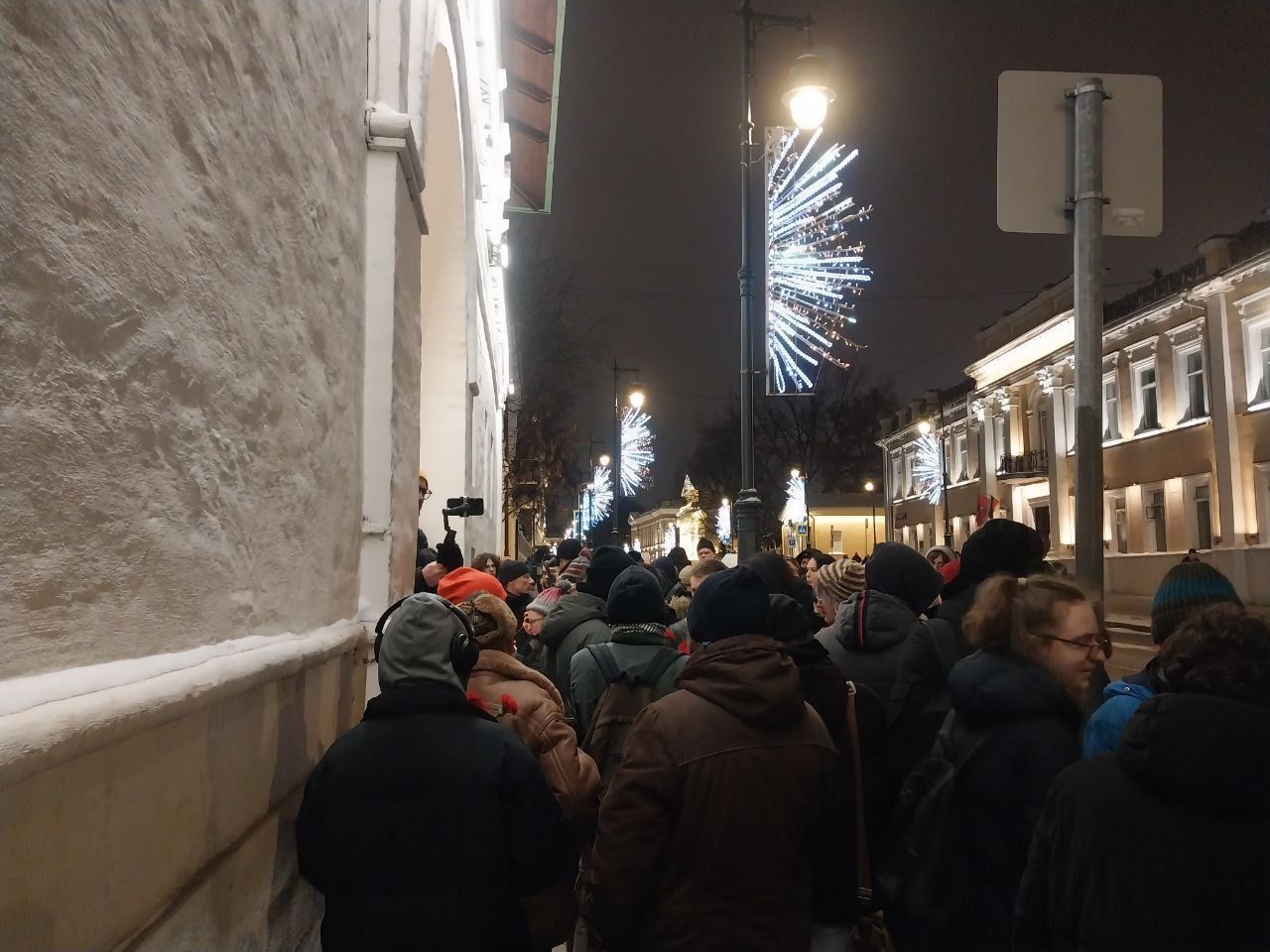
The January 19 Committee's event starts at 7 p.m. But even beforehand, portraits of the murdered anti-fascists were brought to the memorial, and someone lit candles. On the opposite side of Prechistenka, two people dressed like skinheads are standing. I ask if they're watching the event. “We're watching you,” one of them replies, “You mind your business, we'll mind ours. Just don't cause trouble.” Along the building, a pair of officers from the second special regiment in armor and with automatic weapons walk slowly back and forth—as experienced participants of January 19 events explained to me, they're there to protect us from possible attacks by the far right. One of the officers even greeted a participant first. Later, two more officers join them, and all of them step out onto the roadway, onto the bus lane. Their job is to keep event participants off the road.
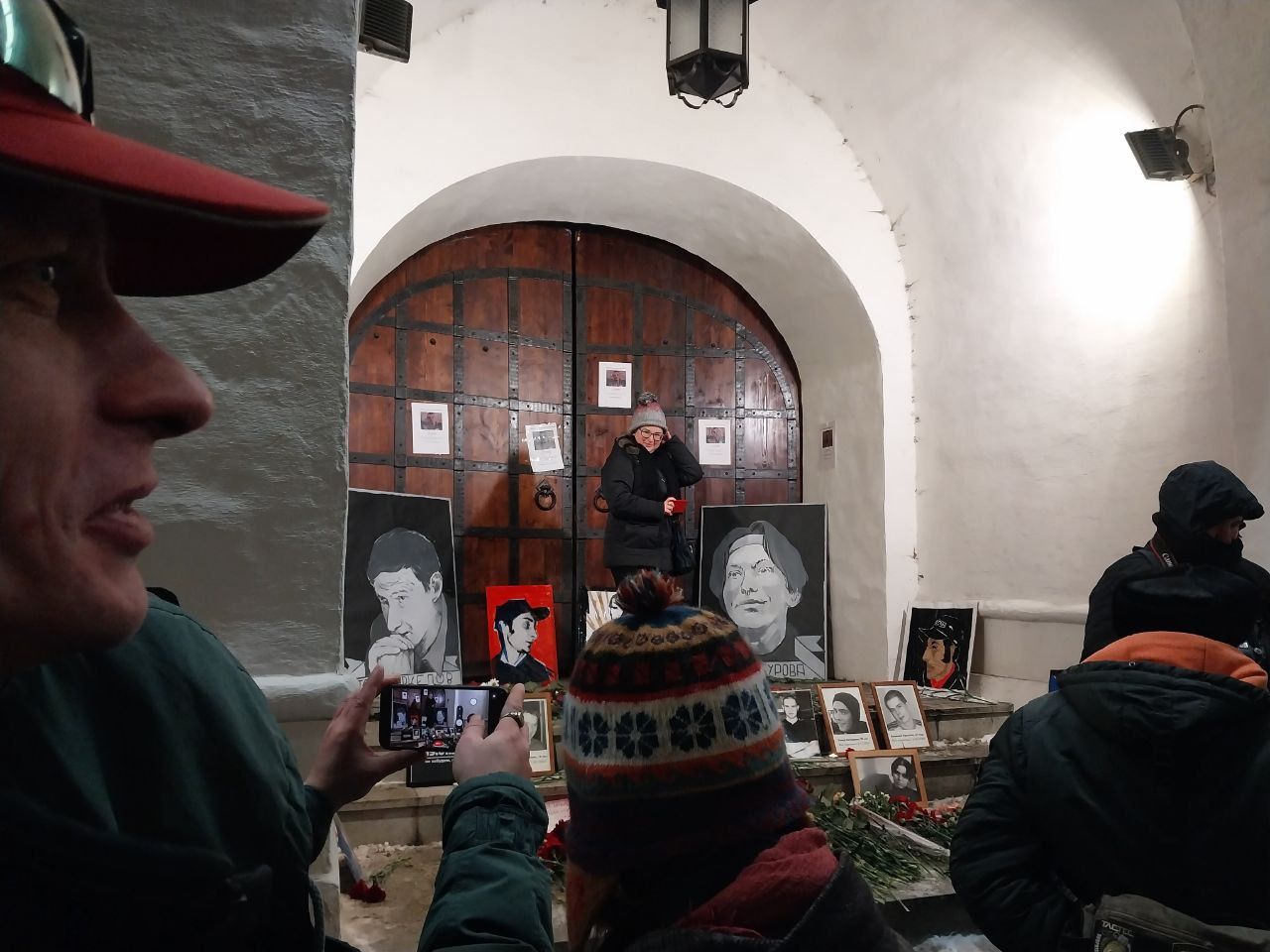
About 50 people take part in the evening memorial at the White Chambers—employees of “Memorial,” activists from Ekaterina Duntsova's “Youth Dawn” movement, members of “Civil Initiative” who temporarily restored Politkovskaya’s memorial, and other activists. By the end of the event, almost all of them are shivering from the cold. Someone even recalls Zyuganov criticizing Putin for not wearing a hat in winter.
Everyone present knows each other, they talk among themselves, quietly chat with journalists, and photograph the memorial. A girl with lilac hair talks about the problems of the divide between the center and the outskirts, and how the outskirts influence the growth of nationalist sentiment. Nearby, people loudly discuss “United Russia” and Zyuganov. One of the anti-fascists suggests that someone should keep an eye on Evgenia Khasis—he thinks she might show up in the LDPR.
Next to the steps stands a man about 60—a former member of the Memorial Human Rights Center, Alexander. He personally knew Stas Markelov when he was a student, fondly recalls how he worked at Memorial, and worries that his killer Tikhonov might be released after Khasis.
Another friend of Stas, who looks younger than Alexander, is glad that “many young people” are coming to the event. “A lot of water has passed and external circumstances have changed dramatically, but nevertheless, we can confidently say that Stas and Nastya's ideas and ideals are still needed today,” she says. To the right of the memorial stand Leonid and Vera. The young people became interested in politics after the start of the war. Vera attended the anti-fascist memorial last year, while Leonid came for the first time. He learned about Baburova and Markelov on the eve of the event: he watched Valery Balayan’s documentary film “Love Me, Please” at the Moscow Human Rights Center “Open Space”:
“The film made a pretty normal impression on me. I saw Russia at the end of the 2000s, what our society was like back then, when migrants weren’t accepted.”
At some point, a girl climbs onto the steps of the memorial, starts rearranging the flowers her own way, and then photographs them. This is journalist Elena Milchanovska, known for admitting her love for Putin. The fact that she is staging photos for her report leaves other journalists bewildered.
Anti-fascist Tala arrives at the White Chambers at the end of the memorial event. She has been part of the anti-fascist movement for 11 years; the day before, at “Open Space,” she collected donations for cleaning Markelov’s grave and for flowers.
“Isn’t it scary to go to all these events?” I ask her,
“There’s no point in being afraid. If we’re afraid, there will be only one flower. If I were afraid, there wouldn’t be a single flower on Stas’s grave. If we’re afraid, everything will disappear.”
As we talk, the last participants leave, and by nine in the evening, no one remains at the memorial. Last year at the event one person was detained, presumably a nationalist. This year there were no provocations or detentions.
If you enjoyed this article, consider making a donation — one-time or, even better, monthly. Your support helps us motivate our authors and become better with every article.
Our organization is recognized by the Internal Revenue Service (IRS) as a 501(c)(3) tax-exempt, charitable organization, which means that all contributions made to us are tax-deductible to the fullest extent permitted by U.S. law. Individuals may generally deduct charitable contributions of up to 60% of their Adjusted Gross Income (AGI) for cash donations made to qualifying 501(c)(3) organizations. For donations of appreciated assets (such as stocks or other long-term capital assets), the deduction is typically limited to 30% of AGI, based on the fair market value of the asset. C-corporations may deduct charitable contributions of up to 10% of their taxable income for donations made to eligible charitable organizations.
By submitting a donation, you confirm that you have read and accept the following documents: Privacy Policy and User Agreement, and also give consent to the processing of your personal data.
If you would like to unsubscribe from a monthly donation, please email us at: [email protected]