In the center of Moscow, near Paveletsky Station, there is a kind of ghetto. In Soviet times, workers from other regions moved here, to Derbenevskaya Street — local factories needed them. Those factories have long since closed, but the workers still live in the local dormitory and communal apartments. Here they raised children, tried to build their lives in the capital, many began to abuse alcohol, and now they are waiting to be relocated under the renovation program.
The material was prepared by the project team “Blue Capybaras“, in which mentors work with aspiring journalists.
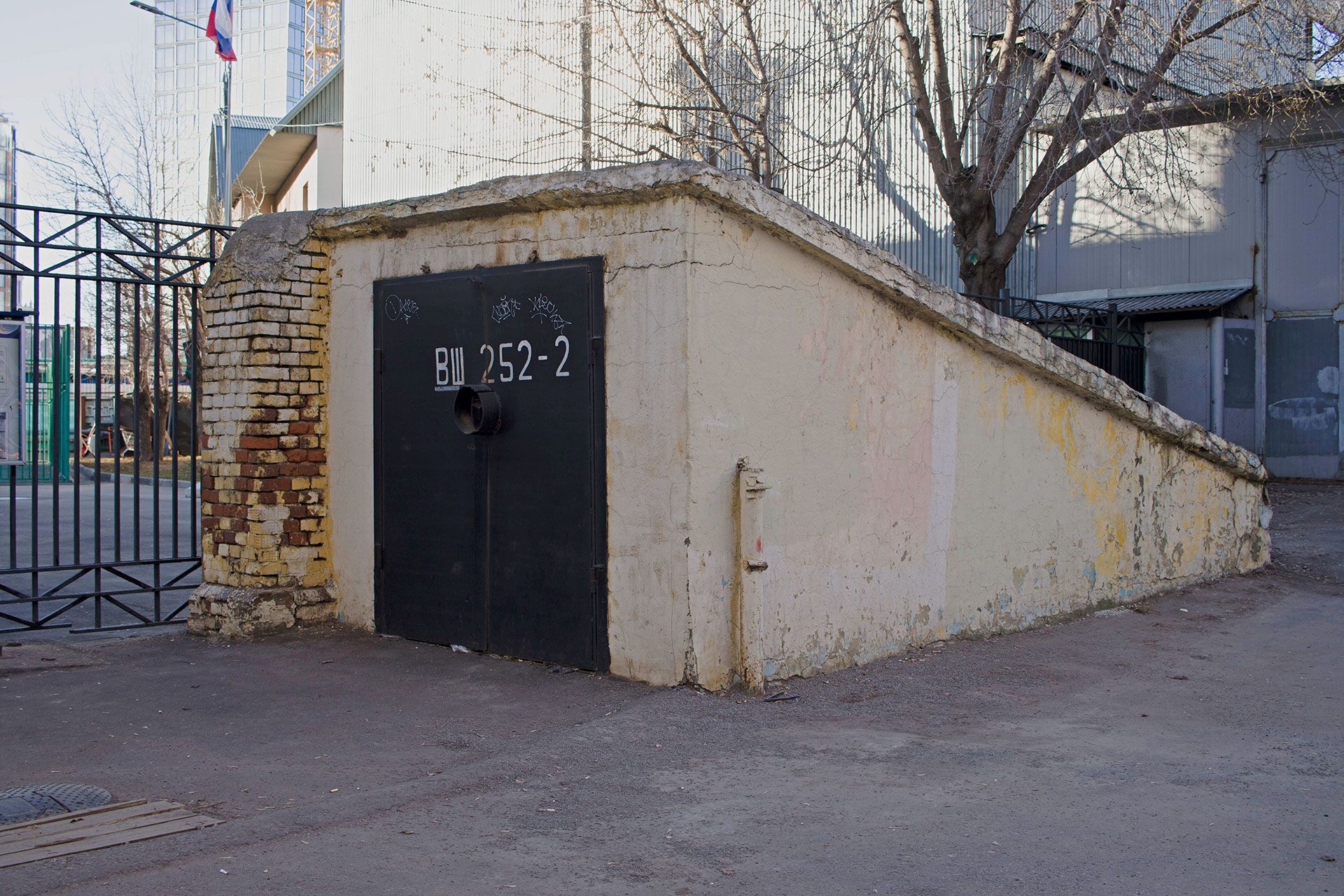
“This is our hill; we all used to slide down it as kids”, says Mark Alimbekov, who was born and raised on Derbenevskaya Street in Moscow’s Kozhevniki district in a family of factory workers. He points to the special entrance to the metro — a small building with a roof shaped like a hill, which children used to slide down. There were no playgrounds in the area back then. Now, there are no children to be seen here either.
Other entertainments for children in the 2000s included hiding from the homeless, climbing metal structures, and throwing stones over garages, says 28-year-old Mark.
Several shabby houses on Derbenevskaya Street are literally wedged between modern Moscow with its business centers, wide avenues, and shops. On neighboring Kozhevnicheskaya Street, the Central Administrative District begins — this is the very center of the capital.
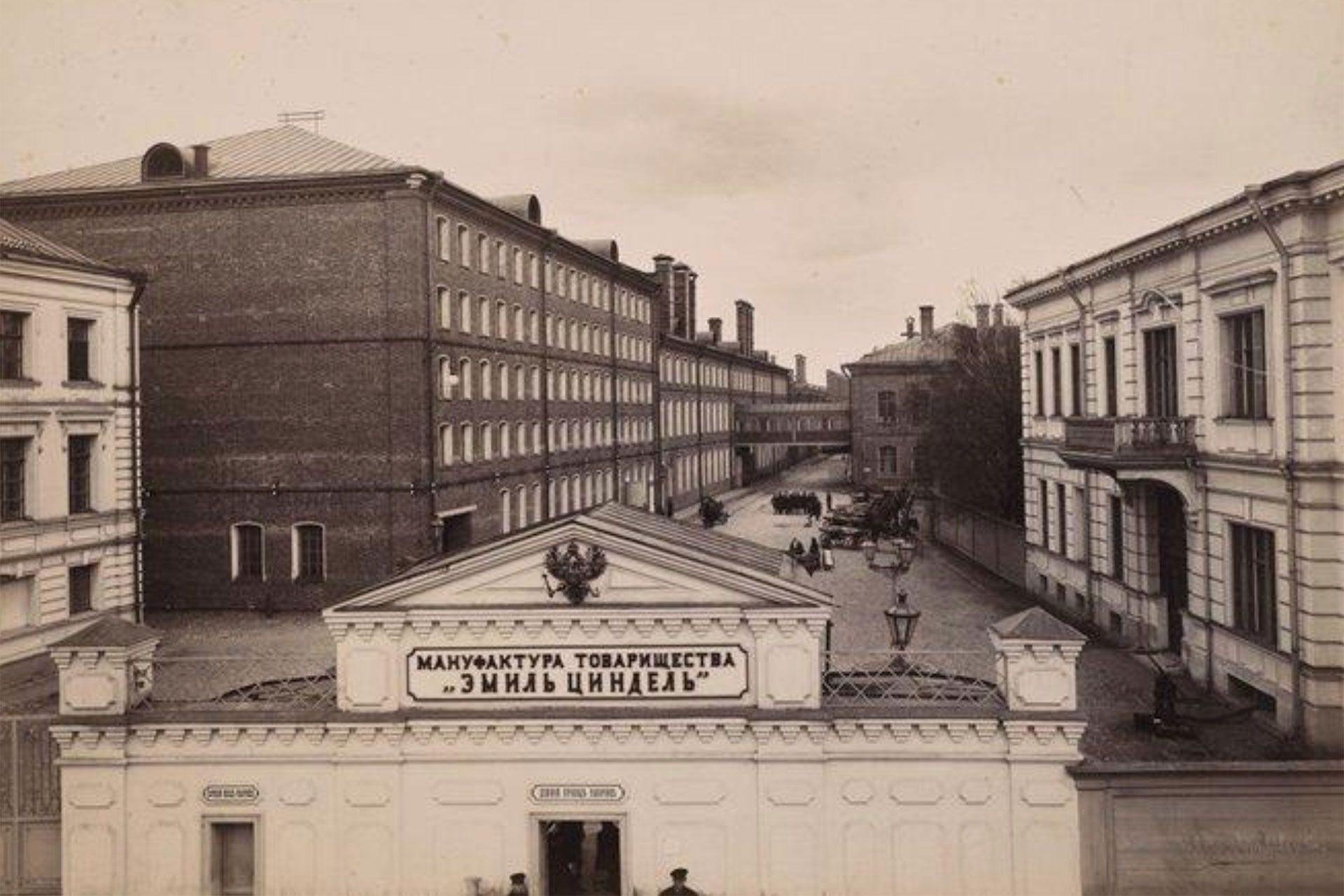
In the 16th century, Kozhevniki was settled by craftsmen, and from the 18th century they were gradually pushed out by factory and plant workers. The largest production facility in this area was Emil Zindel’s manufactory, located on Novospasskaya Embankment. Its history began in 1823, when the Swiss man Bucher built a calico-printing workshop in Kozhevniki. In the second half of the 19th century, the enterprise passed into Zindel’s ownership, and in 1847 the Partnership of the Calico-Printing Manufactory “Emil Zindel” was formed. After the revolution, the enterprise was renamed several more times: first into the First Calico-Printing Factory, and then in the 1970s into the Moscow one. Fabrics, linen, napkins, and tablecloths were produced here.
Zindel Manufactory, 1899
In the 2000s, the factory was closed. Now a business district called “Novospassky” stands in its place. The district’s past is now recalled by a monument to Pravda newspaper worker-correspondent Nikolai Spiridonov, who died in 1922. According to the Soviet press of the time, Spiridonov was killed by “plunderers of socialist property” right while performing his duties: “He did not have time to sign — the pen froze in his dead hand”.
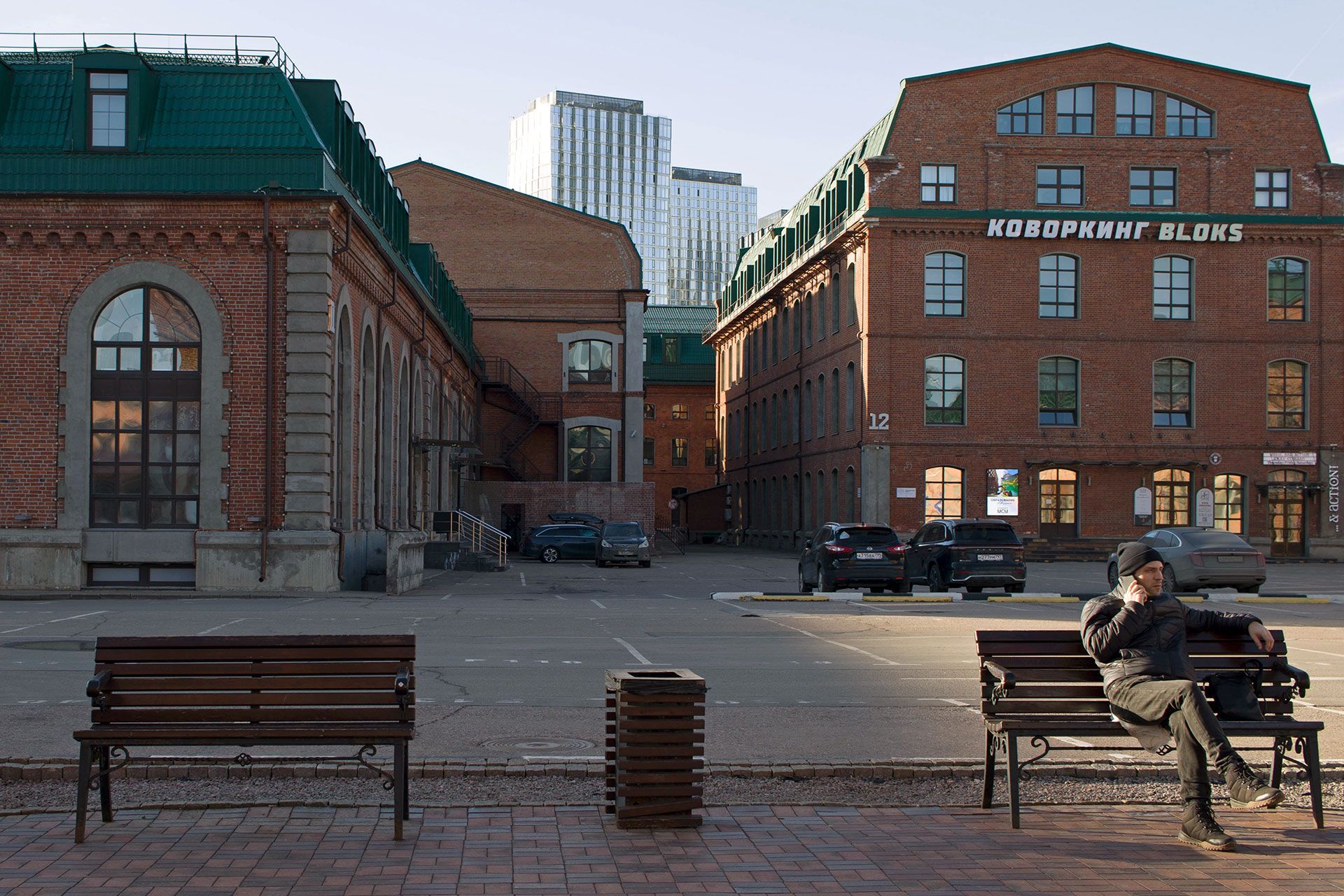
“The business district starts here already. Though this building of theirs looks abandoned. I think they’ll demolish it. And our houses will be torn down too. One by one”, Mark says, pointing at “Novospassky”. The unceremonial part of the district faces Derbenevskaya Street — it has never been restored.
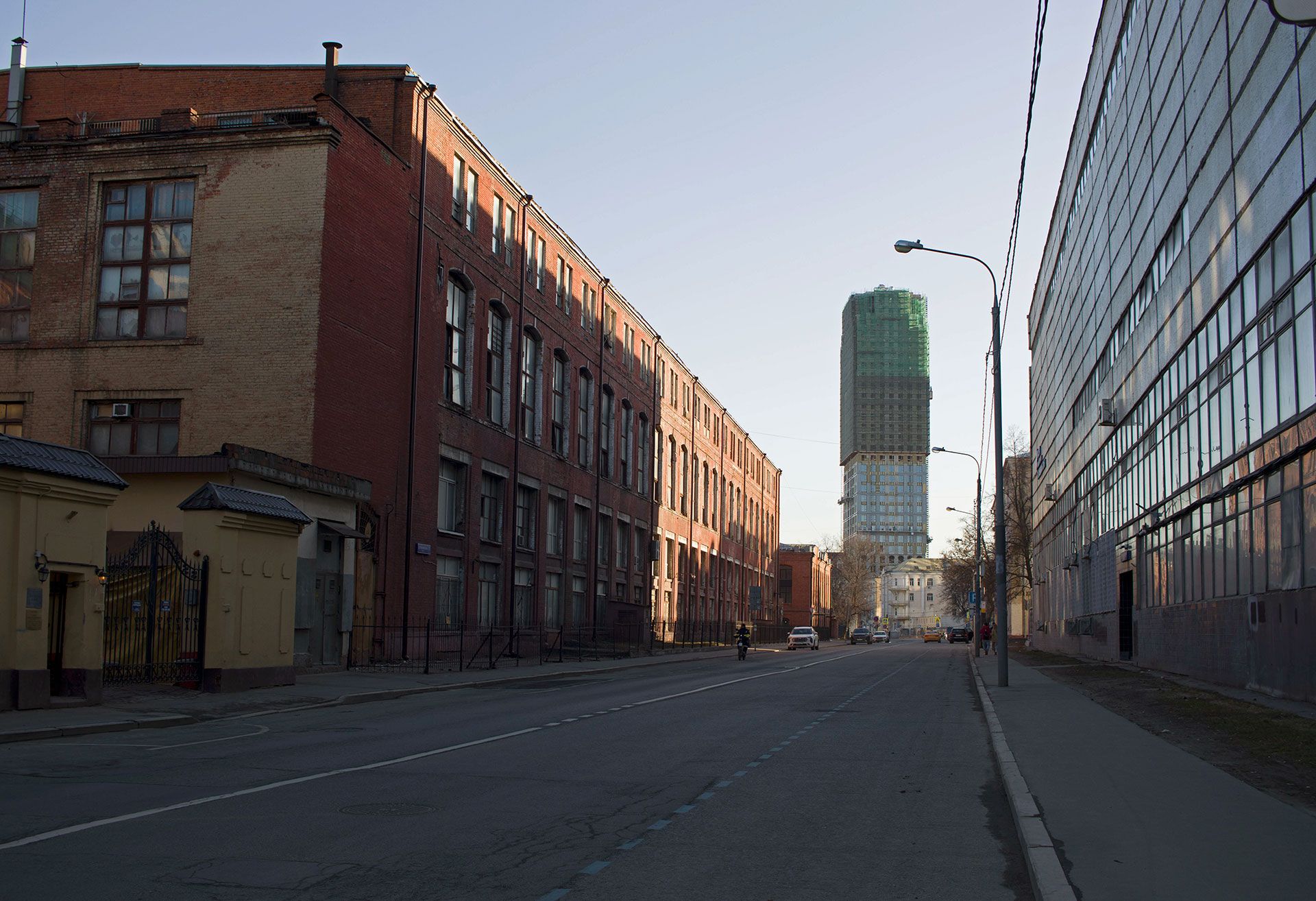
Derbenevskaya Street. On the left - the walls of the former calico-printing factory, on the right - a glass plant, the only one on the street that is still partially operating (most of the plant was moved to the Moscow region).
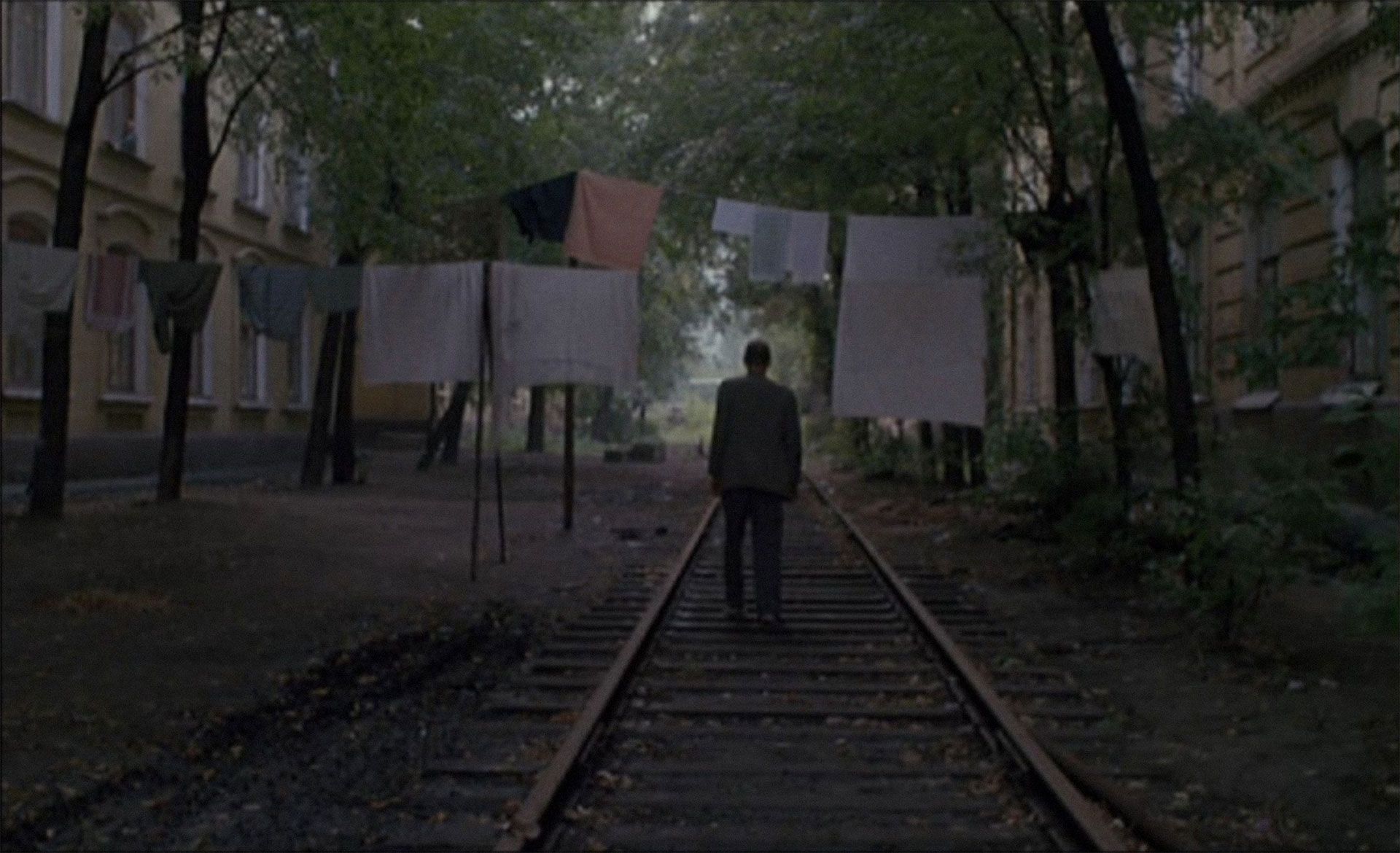
On the other side of the street are four historic buildings. They were built in the early 20th century for the manufactory workers. In the past, a freight railway cut through them, running right between the houses. In the 2000s, the rails were still there; now only the traffic light and the barrier opposite remind of them.
Frame from the film Taxi Blues (1990). Access tracks from the Paveletsky line of the Moscow Railway to the First Calico-Printing Factory on Derbenevskaya Street. On the left - Mark Alimbekov’s house
One of Zindel’s houses is an operating technical college, where future workers of the calico-printing factory from the provinces once studied, having come in search of a better life. Mark’s mother, Oksana Alimbekova, studied here too. In 1987, Mark’s grandmother sent 14-year-old Oksana from Saratov to Moscow to study and work. In the dormitory, Oksana met Mark’s future father, though the family did not work out: he left his wife and son when Mark was very young.
Three houses for the workers of the Calico-Printing Factory and the college
The other two five-story buildings are residential, divided into communal apartments for former factory workers. Mark lives in one of them with his mother. The three-story building is still a dormitory, as before. In 2004, workers were given the opportunity to rent their rooms from the state under a social tenancy agreement free of charge.
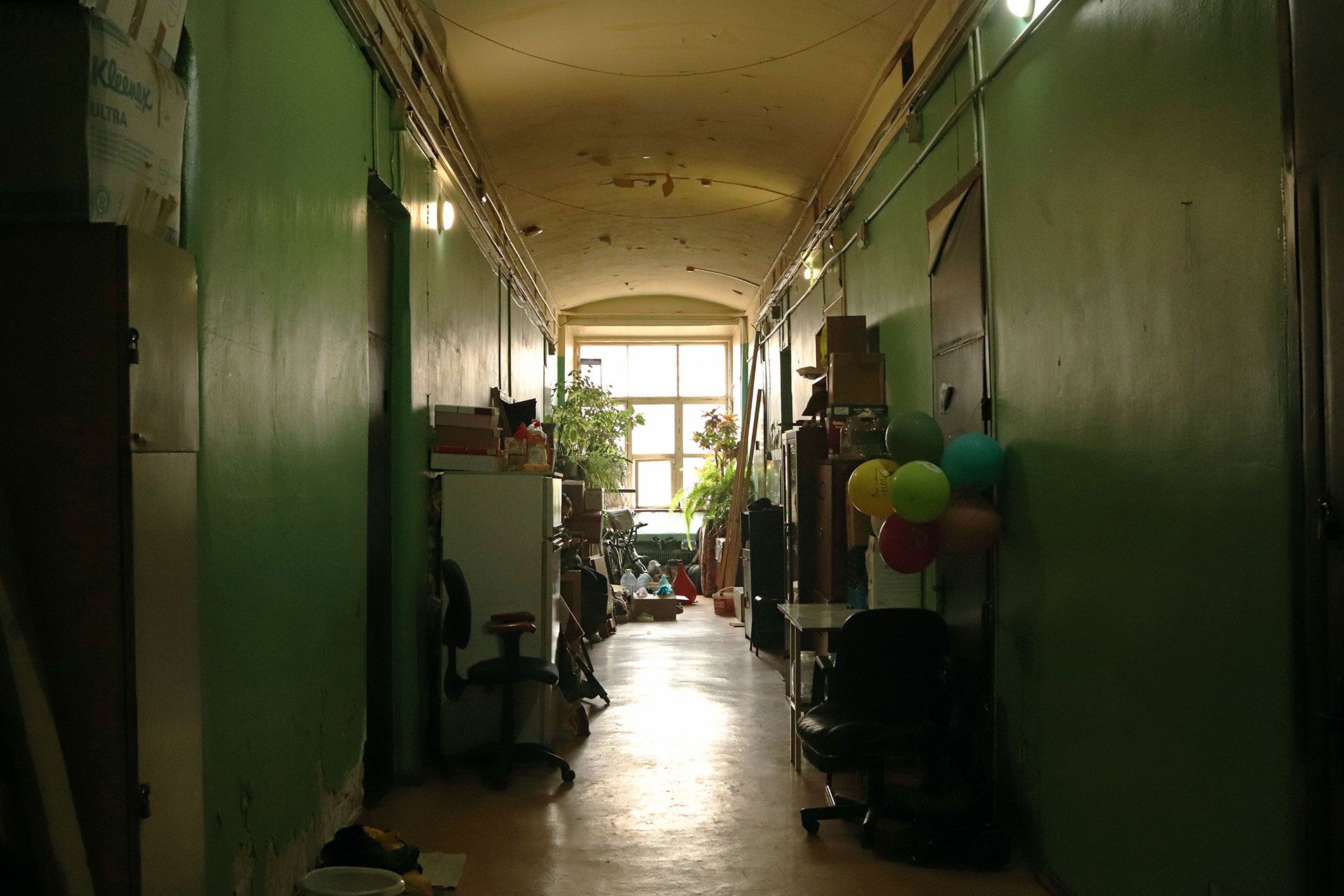
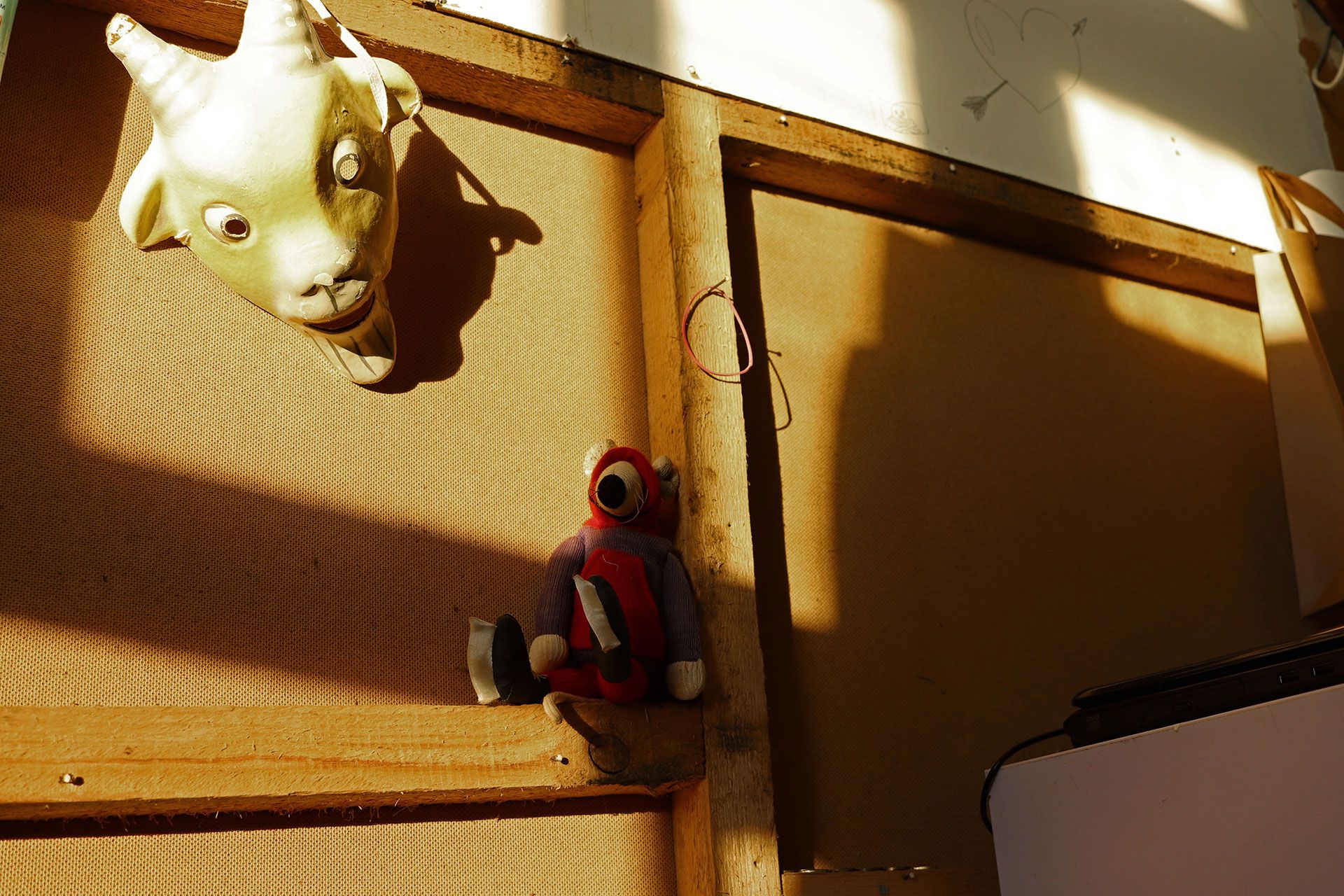
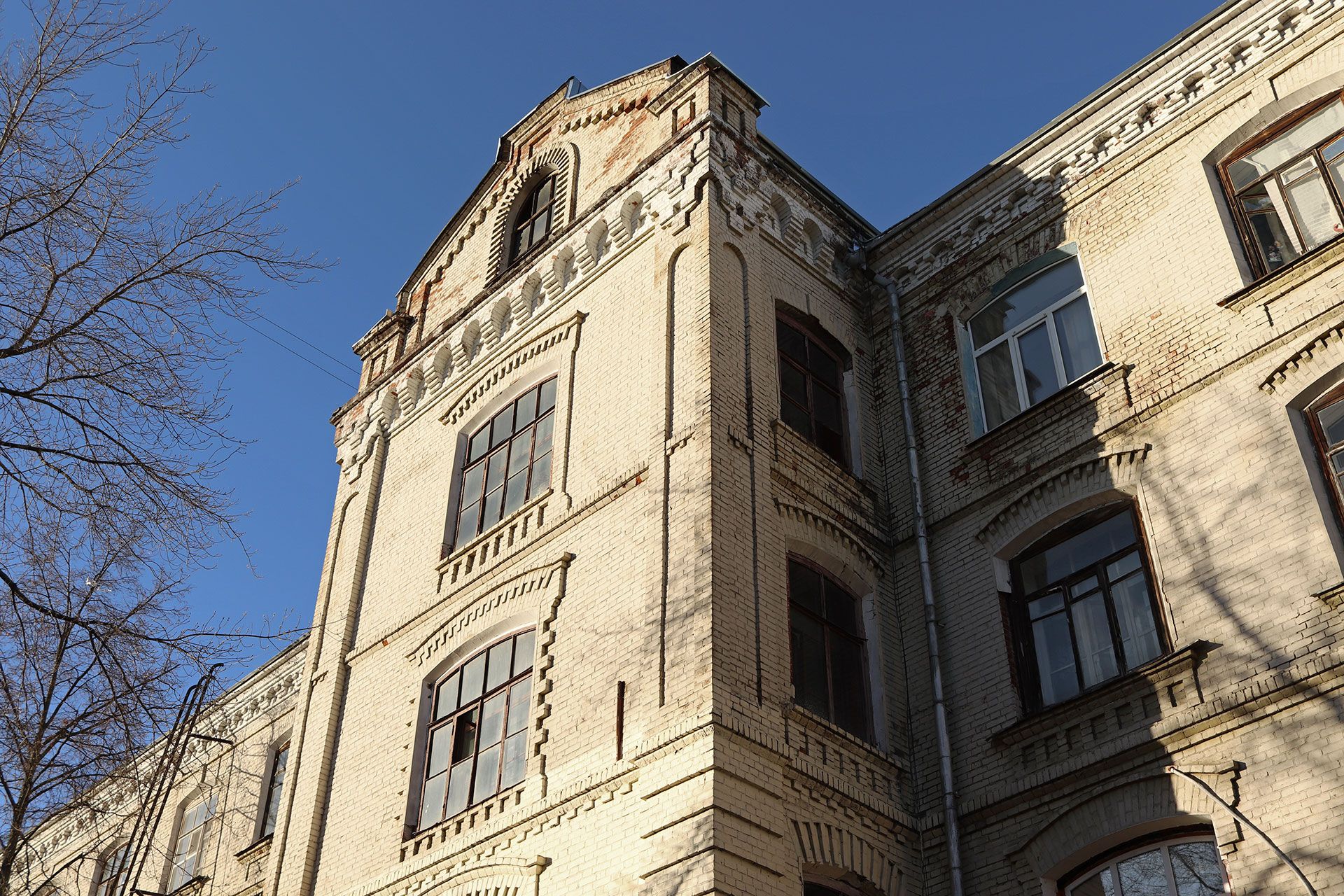
Life on Derbenevka is poor: in the dormitories, paint is peeling from the walls, bricks are darkened and crumbling, furniture is old, ceilings are yellow, and huge windows have dried-out wooden frames and broken glass in places.
Facade of the dormitory on Derbenevskaya
Kitchen in the dormitory on Derbenevskaya
Corridor of the dormitory on Derbenevskaya
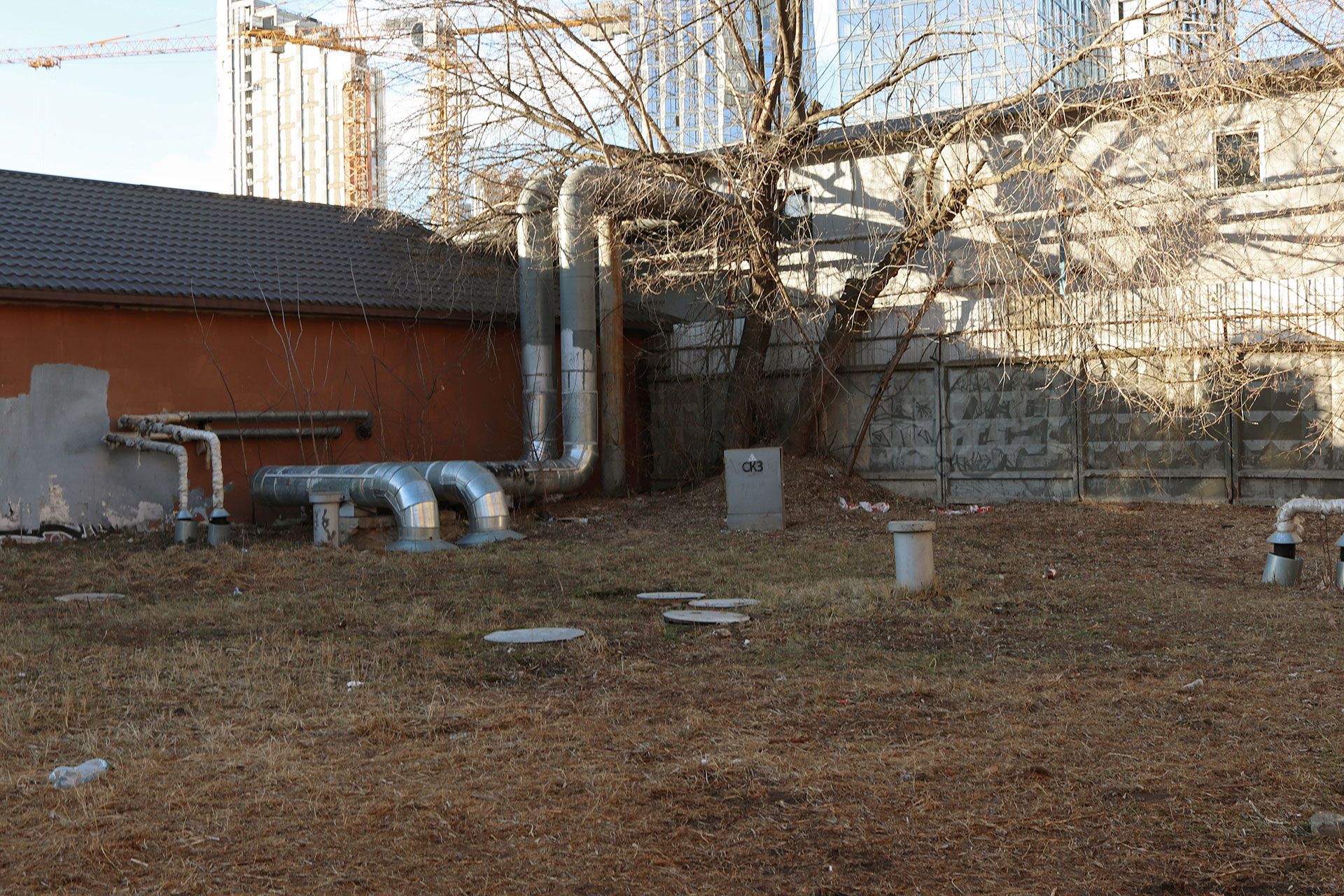
The Moscow authorities promise to relocate all three houses between 2025 and 2029. These houses have been included in the renovation program, the city mayor’s portal confirms. The housing inspectorate recognized the five-story buildings as historic structures; they are not subject to demolition, but they will not remain residential either. As for the dormitory, it awaits the fate of the neighboring “two-story building” — it was demolished several years ago. Now there is an empty lot there, where the residents of the dormitory walk their dogs.
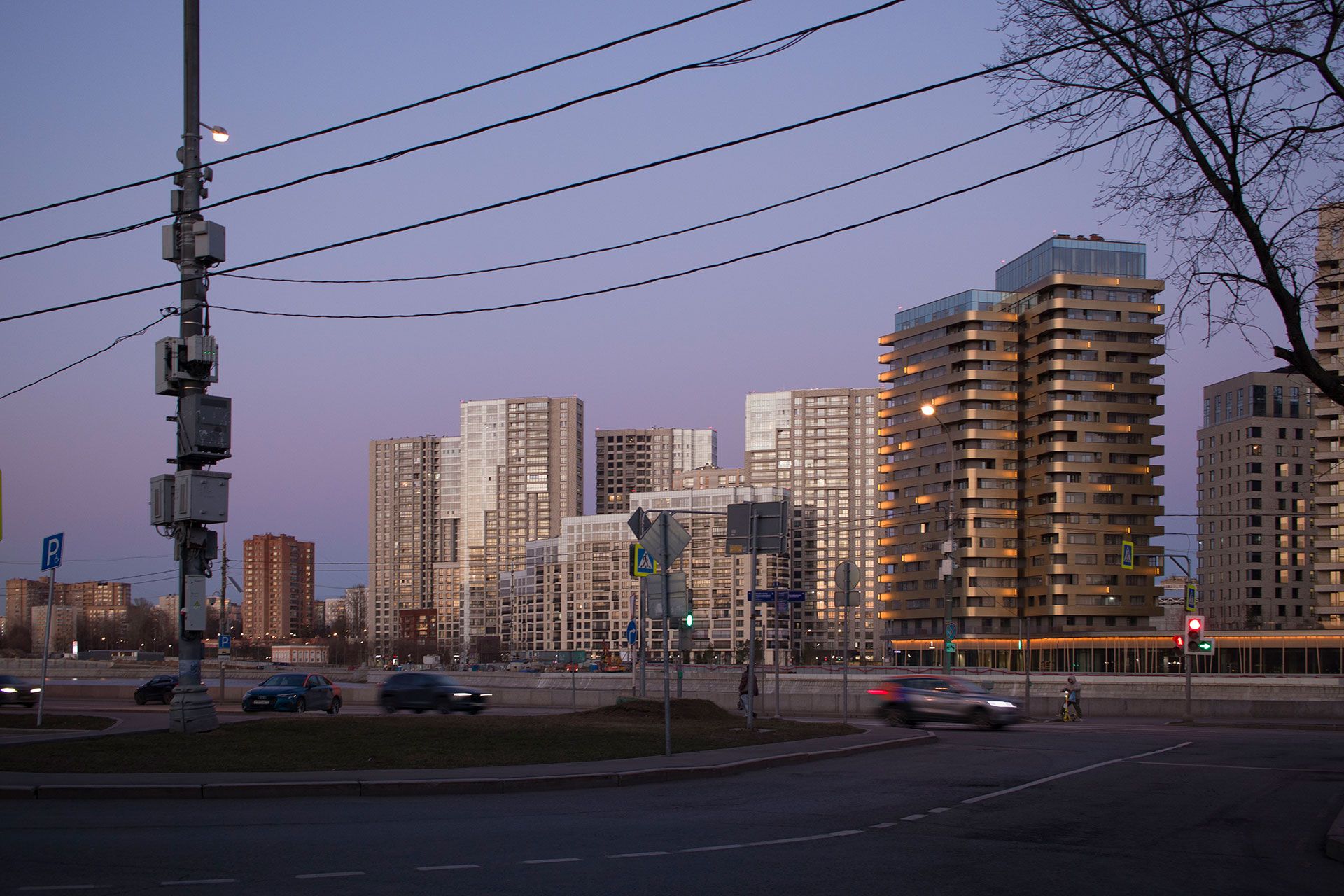
Right behind the vacant lot, the fresh skyscrapers of the Era residential complex are rising rapidly. On the other side of the “workers’” houses, the giant residential building “Club House Opus” is under construction. Against the backdrop of this total development, the square of three historic buildings looks like a zone of exclusion, where no infrastructure has developed for many years: the nearest large grocery stores — Pyaterochka and Chizhik — are about a 15-minute walk away, and there are no playgrounds or small parks.
Residents of the Zindel houses remember that there used to be a park right opposite them. According to archive data, the Trud stadium was located on the site of the Pollars business center: there you could have a snack in the buffet, and in winter — go skating.
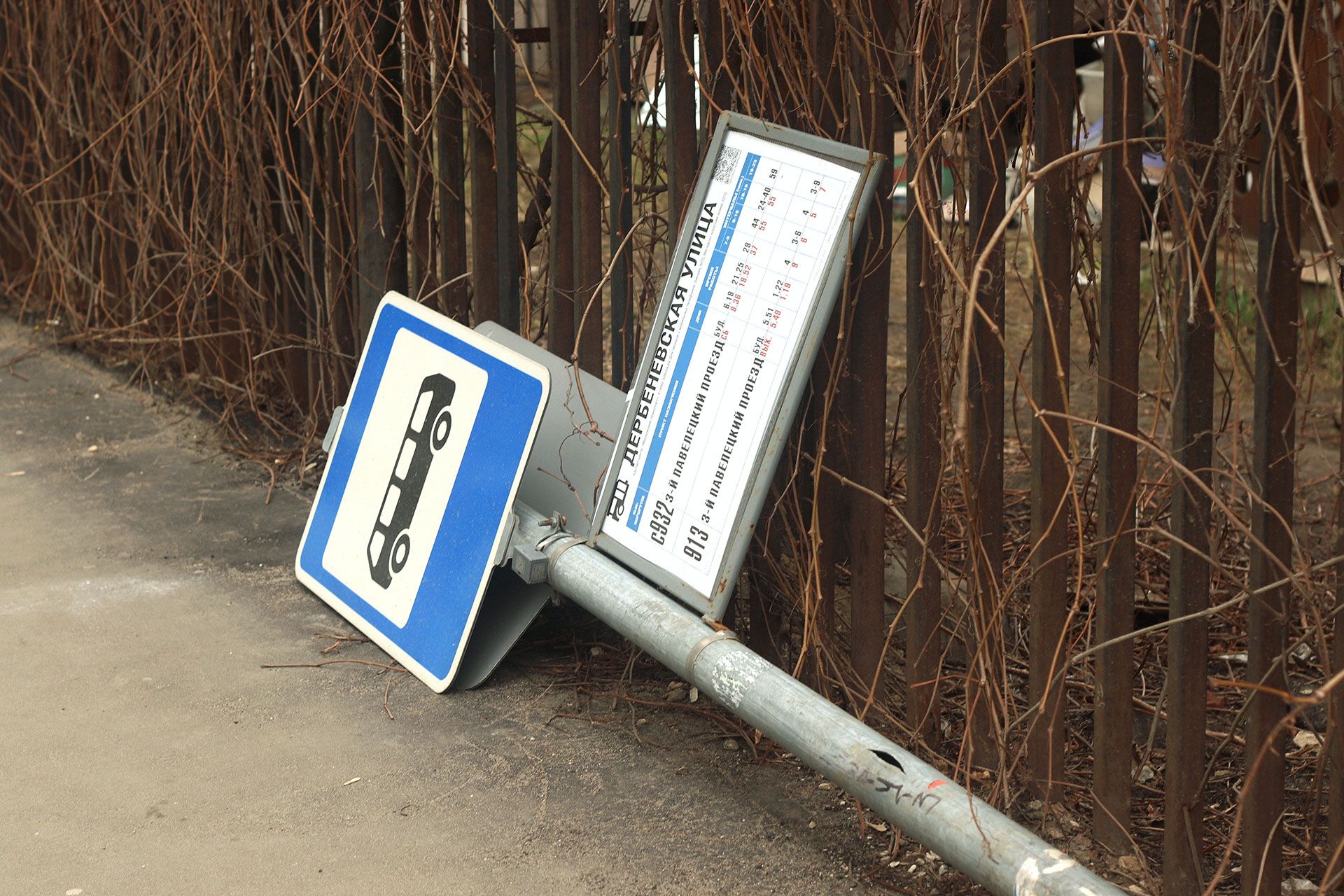
Now the only social infrastructure on Derbenevskaya is an open bus stop and the Derbenevskaya railway station, built in 1905. The street itself is deserted: the only public space left is the vacant lot behind the Zindel houses, where locals grill shashlik on concrete and drink.
Era residential complex behind Derbenevskaya railway station
Street children
Among the teenage pastimes of the kids from Derbenevskaya Street were alcohol and light drugs. But one of them, Yakov Tyurin, preferred video games to psychoactive substances and rarely left the house at all. Like Mark, Yakov’s mother moved to Derbenevka as a teenager from a village, only from the Tambov region:
- Mom worked at a machine, straightening fabric, and she’ll retire earlier because she worked at a harmful enterprise. But until the payments start, she works three jobs. Her profession is no longer in demand; now she works as a cleaner, says Yakov Tyurin.
Vacant lot opposite the Zindel houses where Mark and his friends played as children
28-year-old Yakov has been diagnosed with schizotypal disorder. The causes of the illness can be both genetic and due to an unfavorable social environment. Symptoms: eccentric behavior, abnormalities in thinking, and difficulties in communication.
From 16 to 20, he suffered from depression: “I could not shave, not wash, just lie there — and that was it. In that state you feel as if you are a statue stuffed with cotton wool”. Yakov says the main cause of his depression was the news that his stepfather was not his biological father, and that his father left the family in his childhood.
According to Yakov, what helped him get out of depression were his mother’s psychological problems, which he associates with a midlife crisis: “She could get up and start doing something, but at the same time she was howling and crying”. Then he decided to go to the gym, found a job, and began to spend much less time on video games.
- I saw my mother’s weakness in myself, I saw that crying in myself. And basically I looked the same: I crushed myself, shut myself off from the whole world — and that was it. And I was faced with a choice: either keep feeling sorry for myself, or start expressing anger. I went to my village in the Tambov region to let all the pain pass through me — there is such a technique in psychotherapy, — the young man recalls.
Yakov does not specify how he “let the pain pass through him”, but his life really did improve. He started talking with his father, who later gave him an apartment. Now the young man lives separately in his own home with his wife and works as a web designer.
Yakov explains his own and his mother’s psychological problems by the trauma of his father leaving the family and the influence of the street. The closed community of former factory workers, in which he and his peers spent their childhood, and Derbenevka itself, he says, were oppressive and hindered development.
- Most of the drunks here in Moscow are mostly people who came from villages, because they bring that vibe from there. None of us really made it in life. We basically didn’t see a good life. What did we have: running around pipes and garages, that kind of, you know, ghetto. Because of the narrow streets, small gaps between houses, and dark alleys, there was a feeling of confinement. The environment influences a person very strongly, he reflects.
How many people live on Derbenevka is hard to say. One house has three floors, and the other two have four. There are two apartments on each floor, but it is difficult to determine how many families live in any specific one.
Despite having lived in Moscow all his life, Yakov does not think of himself as a Muscovite: “We didn’t absorb this city into ourselves”. But he does not feel like a Tambov resident either — after all, he never lived there.
Maxim Alkhovko
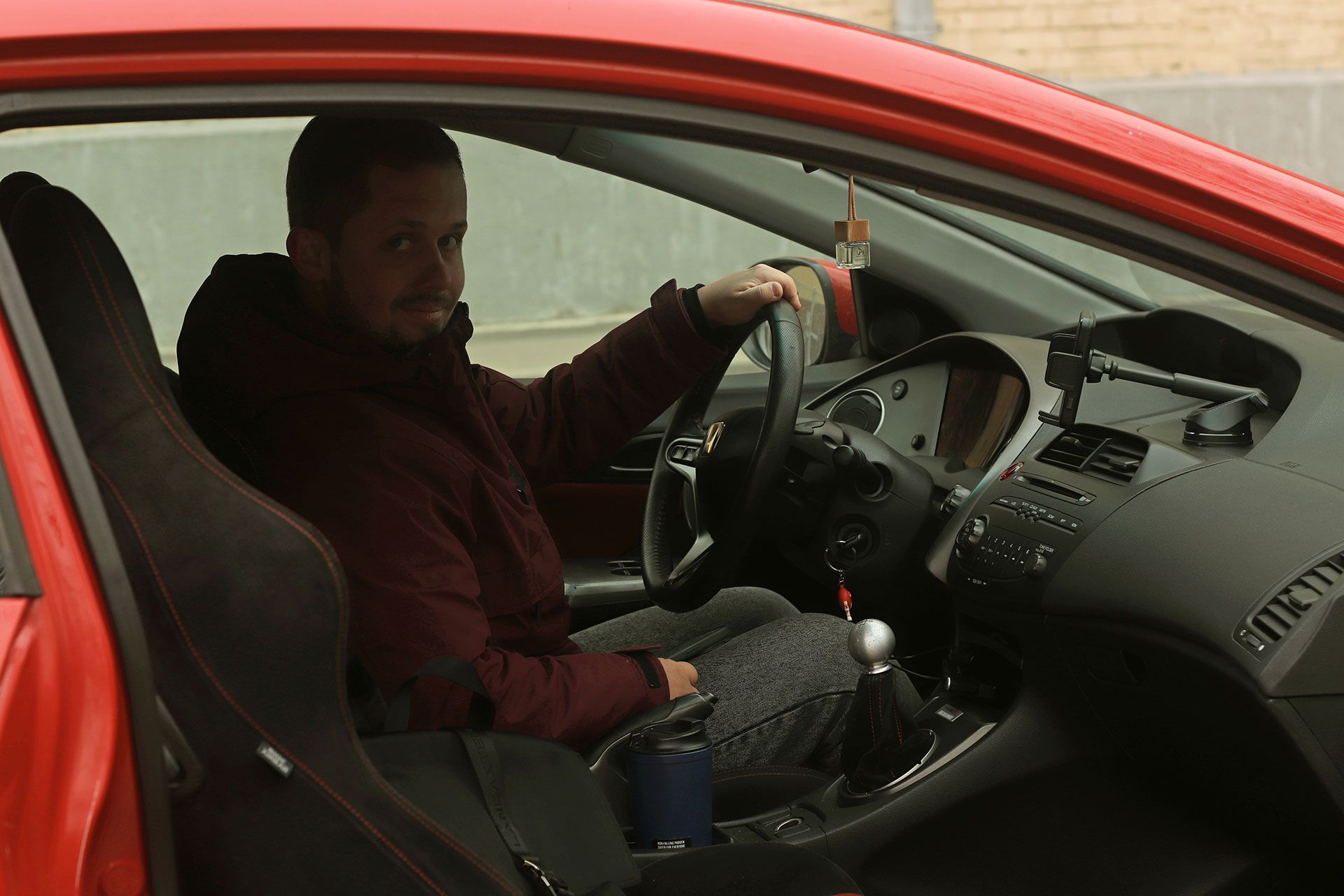
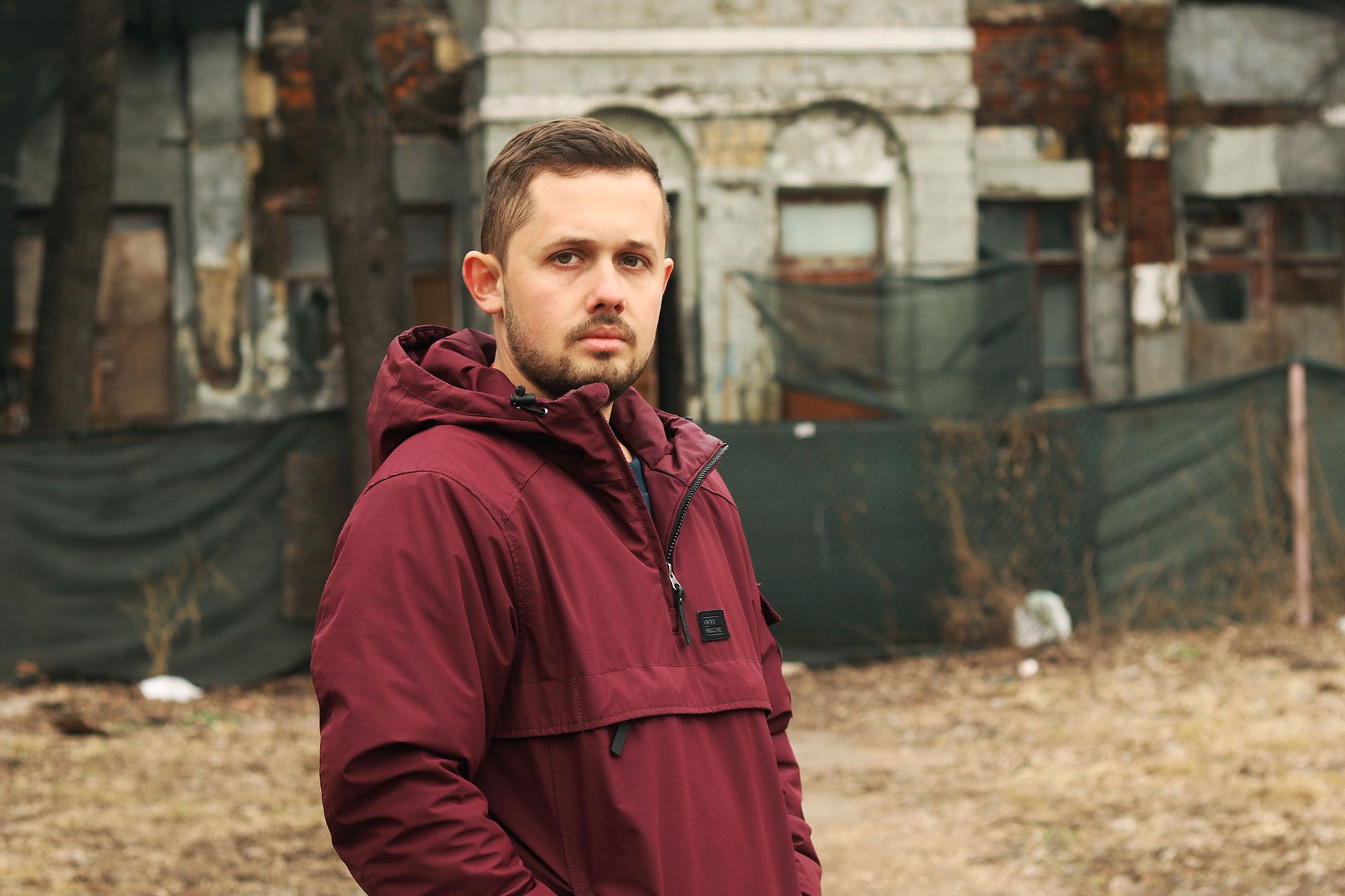
28-year-old Max Alkhovko — a childhood friend of Mark and Yakov, who grew up on Derbenevka — has different memories. We get into his brand-new Honda and drive around the neighborhood. Max roars off in the car: “Mean, huh?” It gets scary; I press myself against the back of the seat. We stop on the vacant lot opposite a long-abandoned kindergarten: a stone building fenced with mesh and decorated with arched ornament.
Maxim Alkhovko in front of the abandoned kindergarten
“This is the place where my classmates lost their virginity. We used to drink Strike by the bucket here. Nostalgia”, says Max.
He left Derbenevskaya as soon as he had the chance — he didn’t like living in a communal apartment. With his first salary as a waiter at 20, he moved to the south of Moscow, where he rented an apartment with friends. Soon he began working in the profession he had learned in college — as a logistics specialist. Now Alkhovko occasionally comes back to his native street to visit his retired mother — before the divorce, she worked at the calico-printing factory together with her husband. After the separation, Max’s father moved away, and he and his mother stayed on Derbenevka.
- How did the street shape you?
- I think it made me stronger. I also have this congenital problem, — Max shows his hands; his finger phalanges are shortened, — That left its mark too. Children are cruel. I had to fight a lot. There were no plush playgrounds and moms with strollers here — there were more dogs and drunk people with skewers. I think it helped me in life.
View of the former calico-printing factory from the Zindel houses
Architectural columnist Olga Mamaeva says that in the second half of the 20th century, the Paveletskaya area was very harsh, and the laws of the street ruled there. Locals even had the expression “to go to Moscow, to the city”. “That’s how they felt — as if it were some other place, not Moscow”, says Olga. Now the business district next door and the expanding premium housing set the tone for the former industrial street: workers while away their leisure time in communal apartments and dormitories, while migrants who settled on the street for the duration of the housing construction quietly gather at the Chaykhana.
Max says he never had any problems socializing with children from other social classes, just like his friends from Derbenevka: “When I came to a ‘white and fluffy’ neighborhood, it was easier to talk to people. Well, inviting people over was difficult and sometimes unpleasant — communal apartment, all that. But in principle, when the parents weren’t home, people came over”. Max’s upbringing was actively shaped by his father — a “sportsman, jack-of-all-trades, legendary man” from Belarus. His father is no longer alive.
Church of the Life-Giving Trinity in Kozhevniki in front of the Era residential complex
From the abandoned building we go to the Church of the Life-Giving Trinity in Kozhevniki, built in the mid-17th century: “Everyone comes here for Easter. In the morning they drink Blazer and Strike in the abandoned building (low-alcohol drinks with added fruit juices), and then they come here. Very convenient“.
- Do you know what Derbenevskaya Street means? Impassable forest (according to etymological research, the street’s name comes from the word “derba” or “derbina” — fallow land overgrown with forest).
- That’s exactly what Yakov was talking about — the feeling of confinement the street creates.
- I think it depends more on your inner state. It seems to me that even in the most impassable forest you can find a good meadow for the soul.
Working-class nostalgia
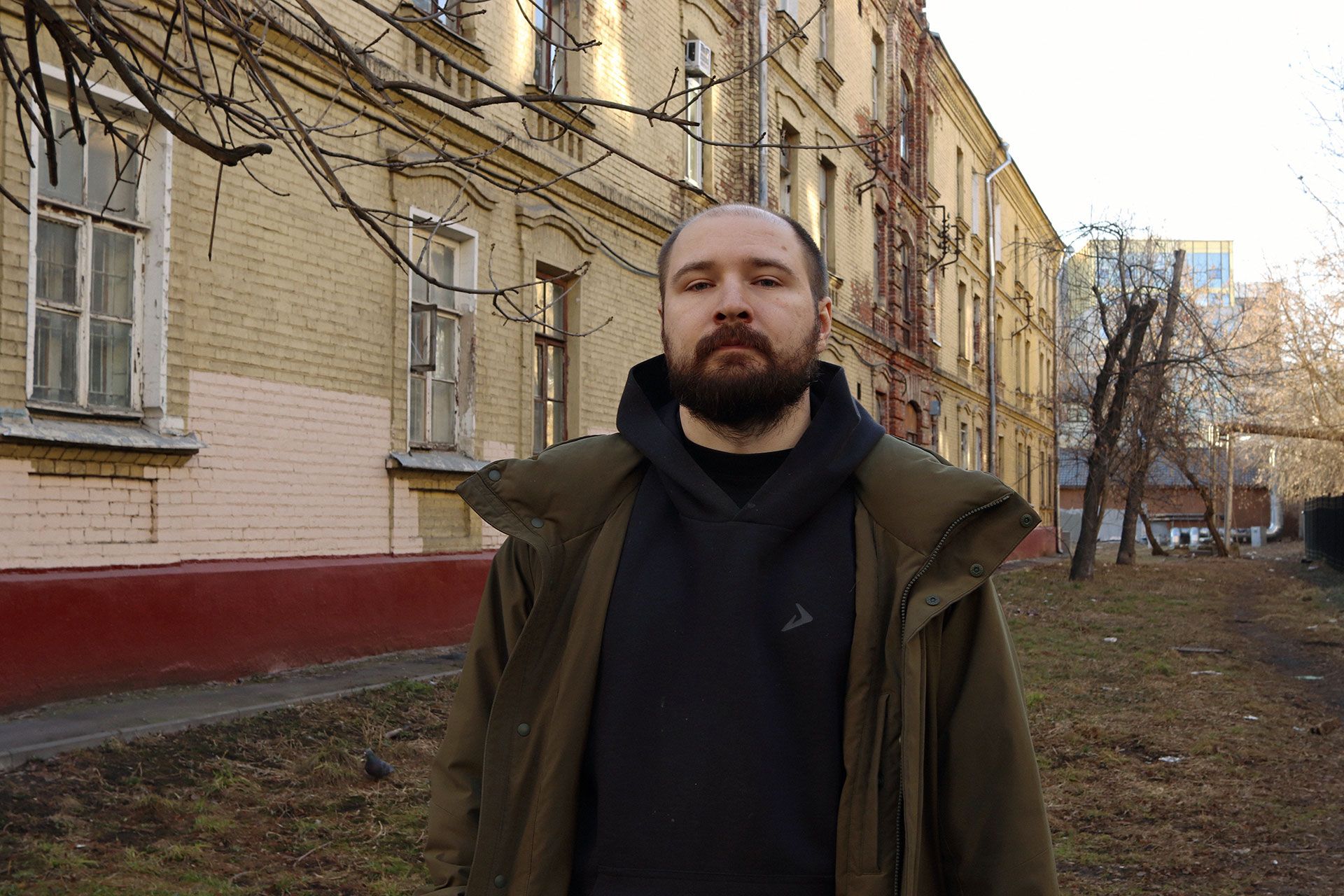
Mark by the dormitory
Mark and I stand on the vacant lot — two years ago, the “two-story building”, a dormitory from the factory workers’ residential complex, was demolished here. On the right is the three-story dormitory, and on the left, behind the fence, the future Era residential complex stretches out.
- We are all mired here in thoughts of a better life. We are literally standing at the intersection of two worlds right now — Moscow and the provinces, — says Mark. — In essence, a piece of village was pulled out of Tambov and plopped here with a boom. And there, in the village, they don’t have all this flashing before their eyes, and maybe that’s why they’re happier. And here it’s like, what is it between countries? A border zone.
Mark in the entrance hall of his house
We go up to Mark’s communal apartment. The neighbors pay no attention to us. We pass a tiny kitchen: a room no larger than three square meters with peeling paint on the ceiling — into Mark’s room — he is currently doing a long renovation here: the wallpaper is only half pasted, but the clothes rail instead of a bulky Soviet wardrobe goes well with the old furniture.
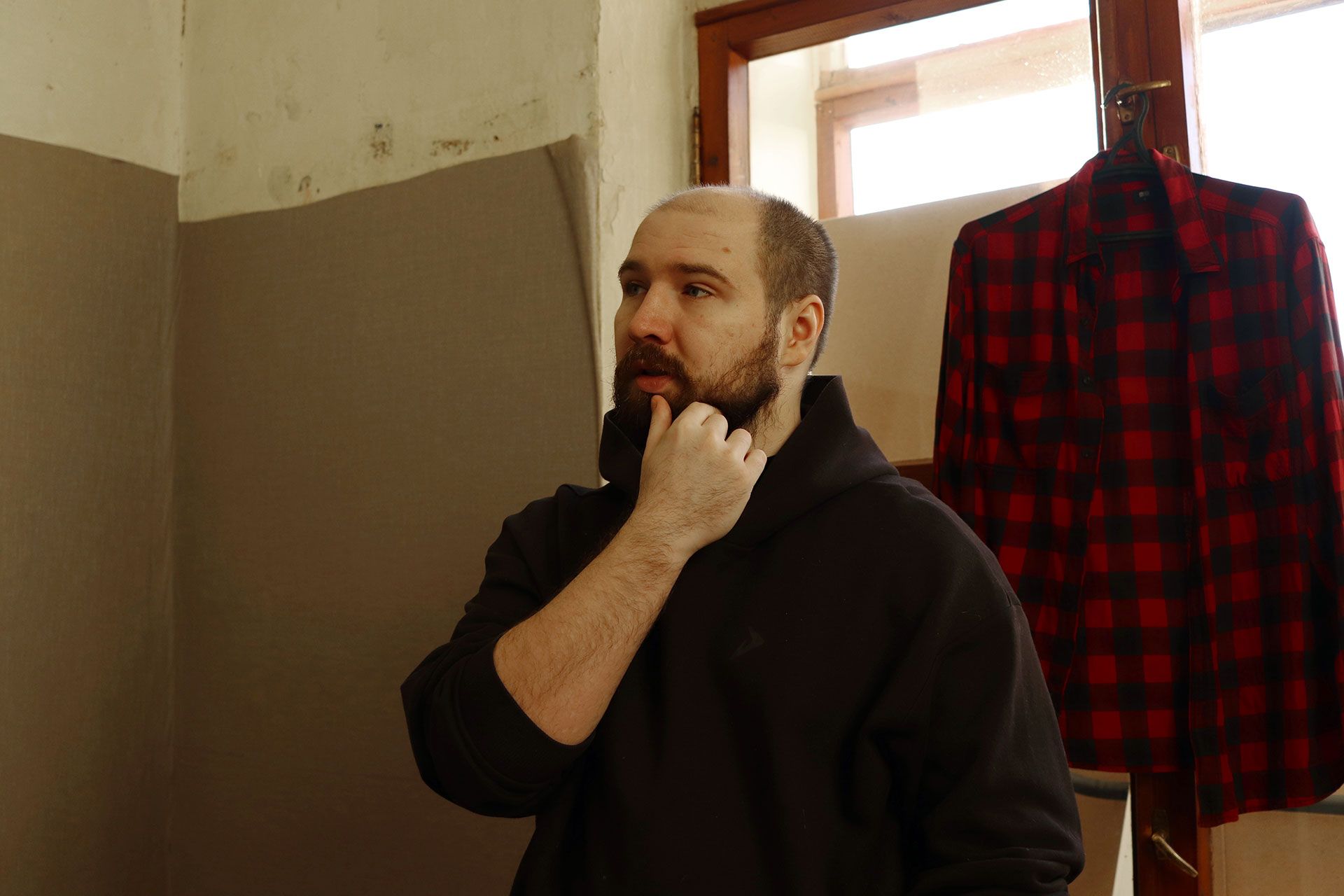
Mark in his room
One of the three communal cats in Mark and Oksana’s apartment. They share them with the neighbors
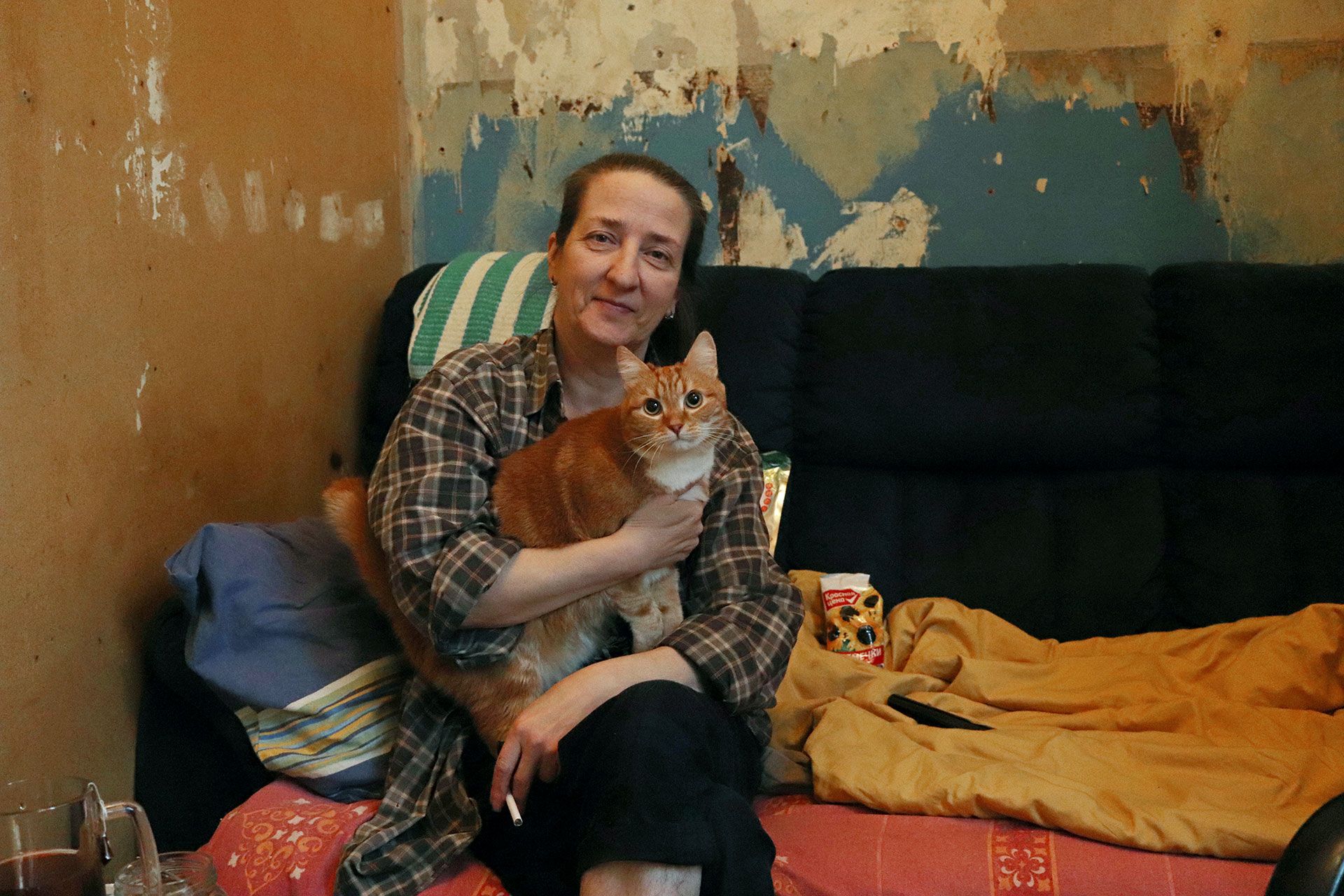
In the narrow passageway: Oksana Alimbekova’s elongated room, laid out like a movie theater. A sofa is pressed against one wall, a TV against the opposite one. There is no other furniture in the room. The room’s walls are stripped, there is no wallpaper — Mark has not yet gotten around to renovating his mother’s room.
“Let’s hurry up, the movie is interesting”, says Oksana. When asked what she worked as at the factory, she answers without hesitation: “Apparatus operator for finishing fabrics”. She responds reluctantly and vaguely to the other questions:
- And when did the factory close?
- Well, what a question, jeez, in the nineties, in the noughties, do you think I counted them?
- How hard was it, in general, to find work after the factory closed?
- Whoever looks will always find. There’s always shit to pick up after.
After the calico-printing factory closed, Oksana worked at other local production sites: “I bottled perfumes, made burners, worked in a bakery, prepared fish fillet”.
Oksana Alimbekova in her room
When the conversation turns to work and leisure during the factory years, Oksana brightens a little:
- We had our own “red corner” on the first floor of the dormitory (a red corner was a space in contrast to the religious red corner. In Soviet institutions, it usually contained a portrait of Lenin, a banner, pennants, and other visual propaganda — ed. note). There were discos, the guys came over. The factory always fed us. They gave us dry rations, bread, butter, sausage, cookies from the canteen. I really liked working at the factory, — Oksana continues. — First of all, we all studied together, and once we ended up in the same shift, we worked together. It was good. For holidays we always put together big spreads. Masters came to us, and directors too — it was more fun with us. The salaries were pretty good. We worked in three shifts: morning, evening, and night. It’s a shame. If the factory hadn’t closed, I would still be working there with pleasure.
“In the Soviet Union, the identity of the worker was not covered by a sense of failure, as in the capitalist world”, says Olesya Merkulova, a graduate student at the Faculty of Anthropology of the European University. She suggests that the residents of the three houses on Derbenevka, this “fragment of the Union”, absorbed a sense of failure along with the arrival of capitalism in Russia: “They had some positive sense of self, which disappeared with the collapse of the USSR, and they gained nothing except a sense of themselves as marginal people”.
Oksana is still quite satisfied with life on Derbenevskaya:
- A good neighborhood, the station is nearby.
- You can go to Saratov at any moment, — Mark jokes.
Mark’s mother has been diagnosed with alcoholic dementia. The cause of the disease is the death of brain neurons. The disease develops as a result of long-term alcohol use and is accompanied by impaired brain function. Symptoms: superficial thinking, emotional instability, sluggishness, memory impairment. “Before, she could drink up to three bottles of ‘Otkhota Krepkoye’ in the evenings”, Mark says (one bottle is 1.25 liters, alcohol content 8.1%).
Now Oksana does not drink and practically never leaves the house. “There’s no alcohol at home. And to buy some, you have to leave the house, go to the store — that’s difficult. Sometimes a neighbor treats me, but I fight against it”, Mark continues.
Mark, Yakov, and Max claim that most of the residents of the Zindel houses are alcoholics. — It’s a social drug, isn’t it. It all starts in a chain; many of us are from villages, and for villagers that’s just their nature. In our free time, we go to get wasted. And everyone is right next to each other, you step into the corridor and can join in“, says Mark.
Facade of the Zindel house where the communal apartments are located
Olesya Merkulova links alcoholism in villages and in places where workers live compactly to the “devaluation of meaning at the state level”. The Soviet Union offered people a specific value system: labor, collectivity, and equality. With the collapse of the Union, the arrows of the value coordinates got mixed up and the landmarks disappeared. Olesya suggests that for former factory workers these processes are “felt more sharply”, which is why they live in the past, because “the present gave them nothing”.
Waiting for relocation
Inside the entrance hall of one of the Zindel houses where Maksim and Yakov lived
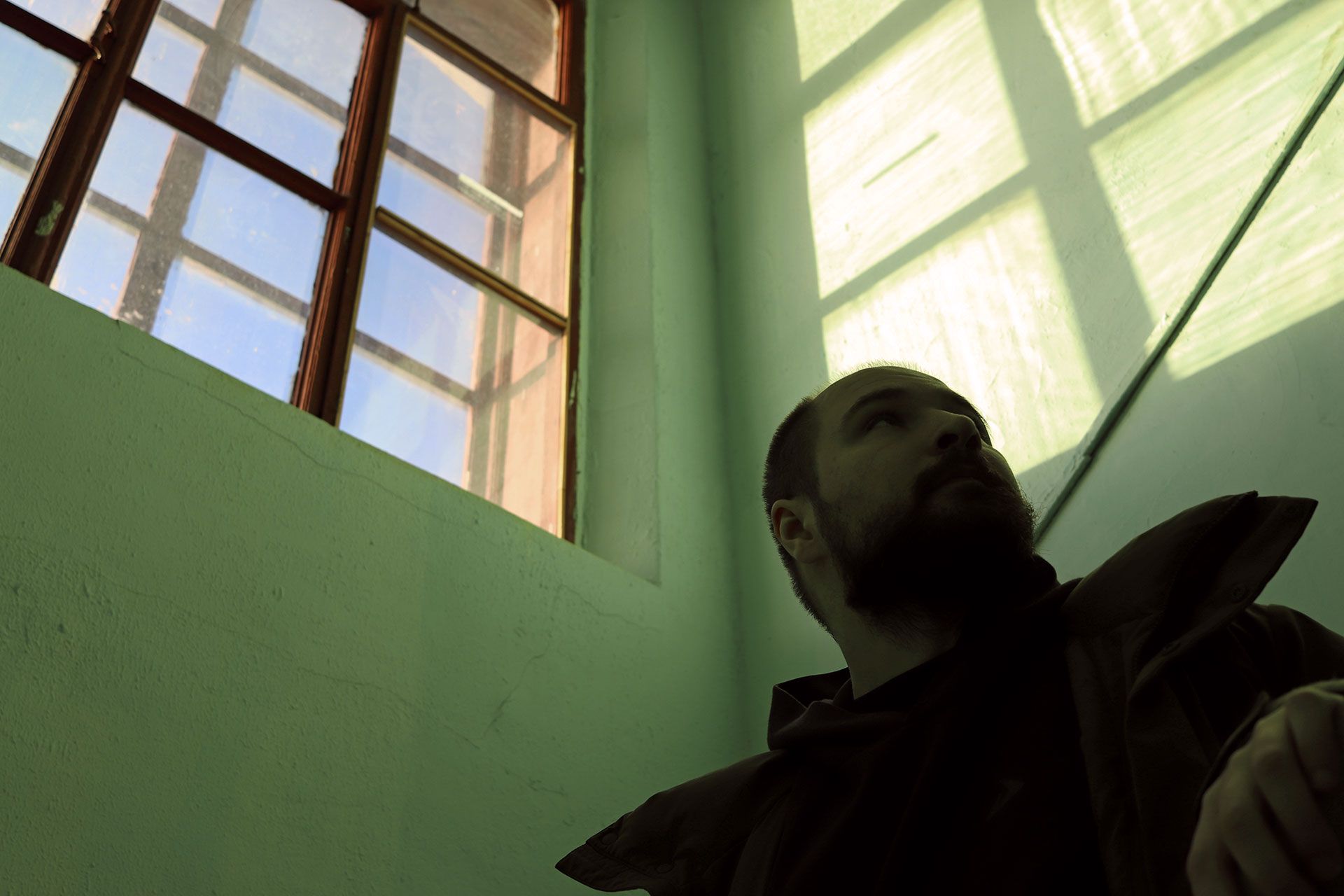
We go up through the neighboring house — unlike Mark’s house, it has preserved the historic carved staircases. The entrance is framed by a carved canopy. The stairwells are unusually wide, the ceilings high. The people we meet along the way look around suspiciously. A woman is smoking in the corner by the window.
- Hello.
- Hello.
- I’m writing a report about Derbenevskaya Street and its residents. Can I talk to you?
- Go to museums, libraries. What should I tell you? We’re all waiting for relocation here. Nothing has changed here for 20 years; the view outside the window is the same.
Mark believes that the contrast between the “zone” of four houses and the rest of Moscow, which is developing rapidly, has a very strong effect on the residents’ state of mind.
- We’re marginal people, marginal people. When you see real Moscow, I think it affects your state of mind a lot, — he says. — The feeling of poverty arises in contrast with real Muscovites, because we really live in the center: go one or two stops, and you see real life, it seems. And a dissonance arises. You want to get rid of your anxiety about it.
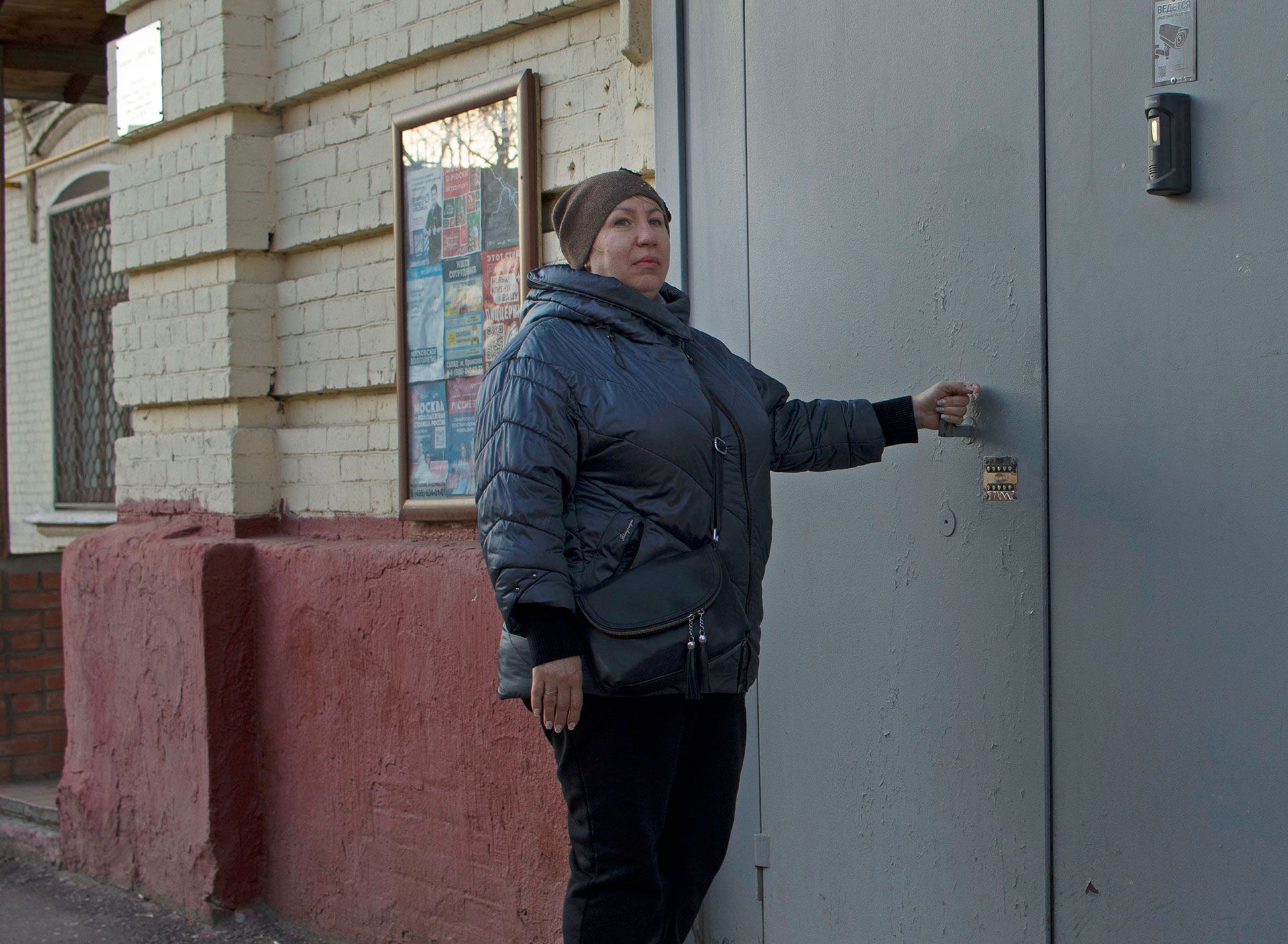
Elena, a resident of Derbenevskaya, like Oksana, misses the time when she worked at the factory: “We had fun, we were young, we ate together, we lived off the same food, there was no money. We all went to work together”. After the factory closed, Elena changed many jobs; now she “stably works” as a storekeeper-distributor.
Like most others, Elena is waiting for relocation: “We so want to be relocated. Everyone has forgotten about us, they’re silent about relocation. We’ll probably be here until retirement. The children will probably grow up. The last time the house was repaired was probably when I was still working at the factory. The ceilings are all falling apart”.
Elena remembers that there used to be a beautiful cast-iron plaque with the house’s construction date on their building: “Nothing is left”.
A friend of Elena’s comes out of the entrance, and they continue smiling as they remember their youth and work at the factory:
- We all gathered for the night shift together as girls and went as a crowd... the factory still appears in my dreams, says Elena.
- Just today I was saying: why did they ruin all the leather factories, the calico-printing factory, the yeast plants. Do you know how many plants there were here? There’s the chemical plant nearby. Behind the chemical plant is the yeast plant. Our calico-printing factory, the leather plant on our street, and the leather plant on Letnikovskaya. Horrible. They didn’t ruin the glass plant, they moved it to the Moscow region, the friend continues.
Elena, a resident of a communal apartment in the Zindel house
A flushed man comes out of the dormitory, slightly unsteady on his feet. It’s Yuri the electrician; he services the houses on Derbenevskaya. His speech is a little slurred, and his words run together into one long, sticky sentence.
- Last year they demolished the two-story building. It was a two-story stable. And these corridors (the hero means the dormitory corridors) are like a prison. I once brought a friend of mine here, and he had done time. I told him: “There used to be a prison here”, and he looks and says: “Looks like it”.
Yuri is indifferent to relocation: he moved to Derbenevka relatively recently and, according to him, has his own apartment in the Moscow region. He lives here because work is close at hand.
A woman looks out from the second-floor window of the dormitory and coyly waves to Yuri.
- I don’t know her. She’s showing something, smiling. Probably some kind of sick person.
- Are there many like that here?
- Plenty.
- What are they sick with?
- Mental disorders.
Transformation
Derbenevskaya Street, like the rest of the Paveletskaya area, is rapidly turning into a premium-class district, with no place for communal apartments and workers’ dormitories. The only things that will remind people of the street’s industrial past will be the gentrified calico-printing factory and a possible museum on the site of the Zindel residential houses. The rest of the street will be occupied by wealthy residents of the new developments.
Novospassky business district
- Today the Paveletskaya area is turning from a detached part of the center, an abandoned industrial district, into a glossy “hyper-urbanized” district, while losing its memory of the past, including its architectural heritage, — says Olga Mamaeva. — The process of hyper-urbanization that is covering Moscow is already unstoppable, and places of compact worker settlement will of course disappear. It is amazing that houses like those on Derbenevskaya still remain. There is a very dense replacement of the city’s fabric. And in place of the old districts, completely different ones appear: luxurious, comfortable, and empty — because often people simply invest money in this real estate, while they themselves live in a completely different place.
Residential complex across the river
Under Sobyanin’s renovation program, houses are relocated as whole units: residents move together from dilapidated housing into new homes. The vacant lot where Derbenevka residents used to grill meat on concrete and drink Slavyanskaya will no longer exist. There will be no shared living space either — each person will get an apartment. Whether this will change the leisure habits of Derbenevskaya workers remains an open question.
A small bottle of Slavyanskaya vodka on the vacant lot near the Zindel houses
Mark is currently being treated for depression in a psychoneurological dispensary. Once a week he attends preventive classes for PND patients.
- Recently I gave them a class. When I come, they always give the same thing, so I decided to vary it a bit. I showed them waves, the basics of movement. They seemed to like it.
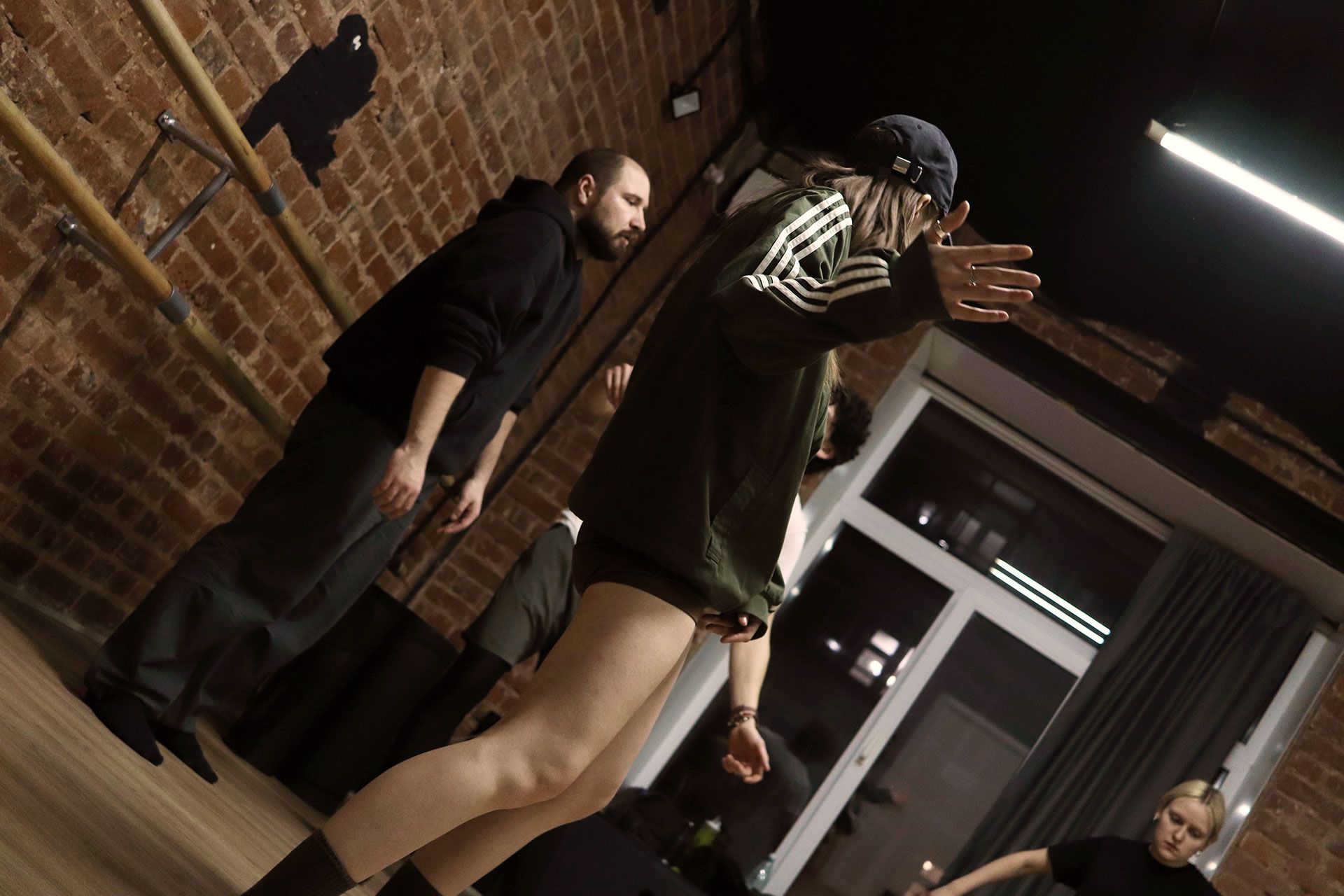
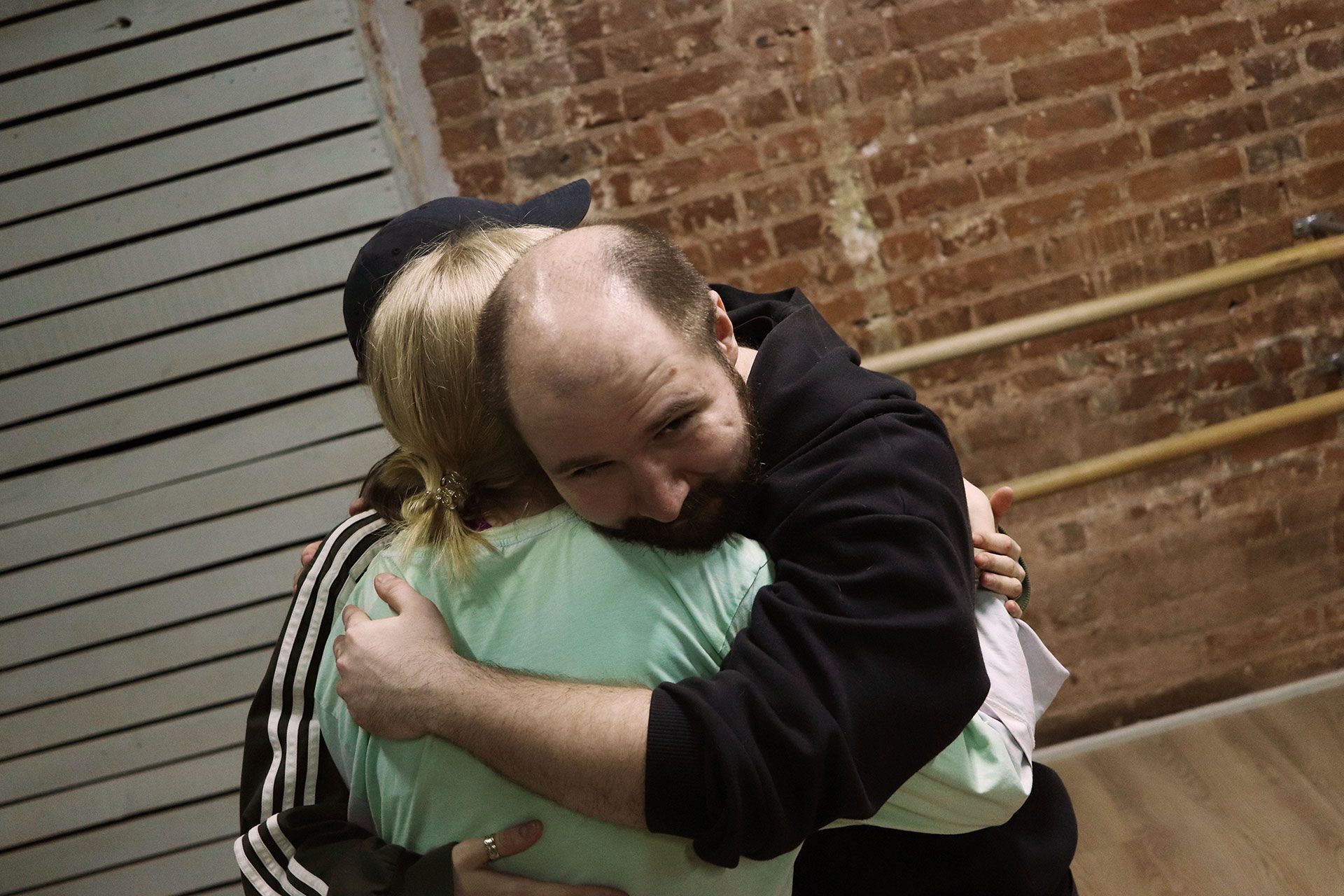
Mark is passionate about contemporary dance. Three years ago, he went to a studio to study modern styles: illusion, robot, animation. Since then, it has become his key to self-realization; now he builds a community of dancers and organizes local dance events. His dream is to earn money by teaching dance. But for now he gives classes for acquaintances, gathering four or five people in the room, and earns money as a courier. He is currently not working temporarily: “I need to get my health back”.
Mark teaches dance
Yakov works as a website designer and wants to improve in this field. His hobby is hiking. Recently he conquered his first peak. Despite moving, Yakov is still fighting his inner Derbenevka: “I’m getting out of this now, but you can see it in the food, the clothes... I eat sandwiches, wear sparse dark clothing”.
Max travels the world; he recently returned from Thailand with his girlfriend, and Derbenevka has long been left in the past for him. He doesn’t yet know what to dream about: “My dream is to have a dream”.
If you enjoyed this article, consider making a donation — one-time or, even better, monthly. Your support helps us motivate our authors and become better with every article.
Our organization is recognized by the Internal Revenue Service (IRS) as a 501(c)(3) tax-exempt, charitable organization, which means that all contributions made to us are tax-deductible to the fullest extent permitted by U.S. law. Individuals may generally deduct charitable contributions of up to 60% of their Adjusted Gross Income (AGI) for cash donations made to qualifying 501(c)(3) organizations. For donations of appreciated assets (such as stocks or other long-term capital assets), the deduction is typically limited to 30% of AGI, based on the fair market value of the asset. C-corporations may deduct charitable contributions of up to 10% of their taxable income for donations made to eligible charitable organizations.
By submitting a donation, you confirm that you have read and accept the following documents: Privacy Policy and User Agreement, and also give consent to the processing of your personal data.
If you would like to unsubscribe from a monthly donation, please email us at: [email protected]