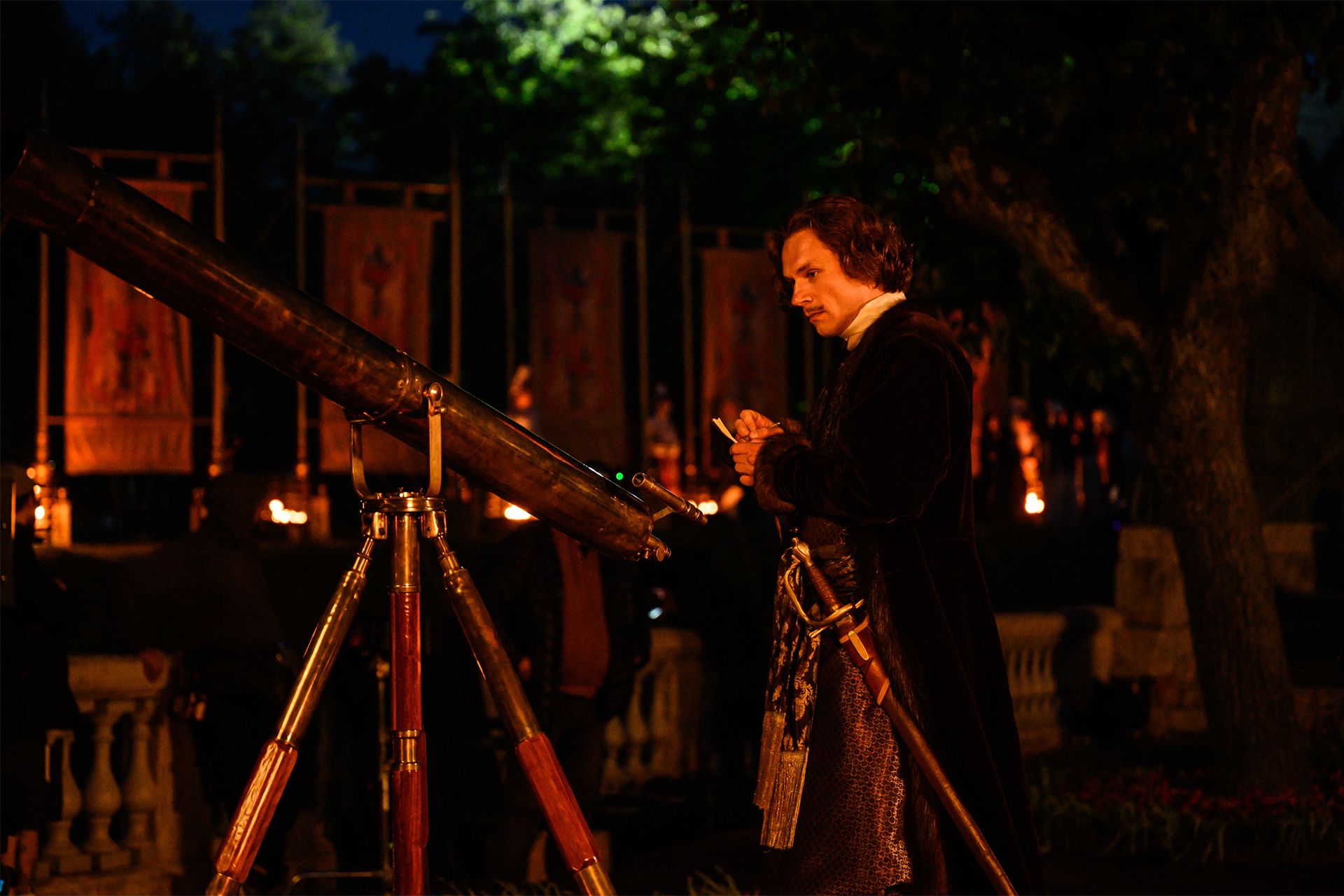
Bokeyorda District of West Kazakhstan Region is today known mainly for the fact that a significant part of its territory is leased by the Russian Federation at a ridiculously low price for testing ballistic missiles, which it launches here from the Kapustin Yar test range and then uses in the war against Ukraine. The district has borne its modern name since 2000 (before that it was called Urda District), but in Kazakh its name — Bökey Ordasy — is identical to the name of the Kazakh state formation that existed here in the first half of the 19th century, which in Russian was called the Bukey, or Inner Kyrgyz, Horde.
- Khan Jangar <...> — the first steppe horse breeder, his herds roam from the Volga all the way to the Ural through all the Ryn Sands, and he himself, this Khan Jangar, is in the steppe just like a tsar.
- Isn’t <...> this steppe under us?
- No, it <...> is under us, but we simply cannot reach it, because all the way to the Caspian there are either salt flats or just grass, and birds circle the sky, and there is nothing at all for an official to take there, so for this very reason <...> Khan Jangar rules there, and he has, they say, his own shikhs there in the Ryn Sands, and shikh-zads, and malo-zads, and moms, and asias, and derbyshes, and ulans, and he punishes them all as he sees fit, and they are glad to obey him.
- Nikolai Leskov. The Enchanted Wanderer
While great Russian literature did its best to exoticize the imperial frontier, the empire itself continued, as best it could, to bring neighboring peoples the “light of civilization”, that is, to subjugate them with the whip, the bayonet, and the carrot, and to create footholds on conquered territories for further expansion. When Leskov’s story, from which the fragment in the epigraph is taken, was published in 1873, Khan Jangar (that is exactly how it was) had long been dead, and his heirs had been, let us say, neutralized by tsarist power, which permanently stripped them of the dynastic dignity that traced back to Genghis Khan. But let us proceed in order.
***
A century and a half before, after World War II, the territory of the former Bukey Horde became a test site for missile and nuclear tests, here Russia successfully, for the Russian Empire and with far-reaching consequences for the Kazakh people, tested a model of the final subjugation of the nomads of the Great Steppe. The imperial principle of “divide and rule” was supplemented by the treacherous tactic of co-opting elites, when the ruling group, in exchange for an oath of loyalty, status gifts, and high places in the imperial hierarchy, was promised the preservation and even strengthening of power over its own population and help in confronting opponents — internal and external. In the end, however, all this turned for the Kazakhs into the complete loss of sovereignty and the establishment of Russian political-bureaucratic, economic, and cultural hegemony. But first — the background of this sparsely populated region with a rich history.
Khan Ordasy — the former capital of the Bukey Horde
After the collapse of the Ulus of Jochi (also known in the Russian tradition as the Golden Horde), in the interfluve between the Volga and the YaikIn Kazakh, the river is called Zhaiyq; from this word comes the original Russian name Yaik, which was replaced by Ural after the suppression of the uprising of the Yaik Cossacks led by Yemelyan Pugachev, in order to erase from the map and from everyday use the names associated with the Yaik Cossack freebooters. The Cossacks themselves were also renamed: the Yaik Cossacks became the Ural Cossacks. in the mid-15th century, the core of a new nomadic state formation emerged — the Nogai Horde. The Grand Duchy of Moscow was then rapidly expanding and sought to secure its new borders from devastating nomadic raids and to protect the population from mass abductions into slavery. Due to permanent internecine strife and internal political disagreements, mainly over relations with Moscow, about a century later the Nogai state split. The Small Nogai Horde emerged, refusing to recognize the authority of the Moscow tsar and migrating to the northern Black Sea region, and the Great Nogai Horde, which remained in the northern Caspian region, became a vassal of Moscow. But even after that, internal conflicts did not cease. Moscow, meanwhile, supported first one side and then the other within the Great Nogai Horde, thus seeking to weaken it even further.
In this situation, the Nogais lived in this region for several more decades. In the 1630s, completely weakened and ruined, they were forced to move westward beyond the Volga under the blows of other steppe peoples — the Kalmyks who had come from the depths of Inner Asia. Moscow, which had spent so much time and effort dividing and weakening the Nogais, received in their place on its southeastern steppe frontiers a far more formidable nomadic confederation — the Kalmyk one. The latter continued the “work” of its predecessors, and the areas north of the Caspian became a base for devastating raids by the Kalmyks on the same Nogais, as well as on Kazan, Ufa, the Crimean Khanate, and the highlanders of the Caucasus.
Unable to defeat the Kalmyks by military means, Moscow turned to political and diplomatic methods, by which it gradually corrupted, subordinated, and tried to deprive the Kalmyk nobility of independence. However, throughout the entire period of the existence of the Kalmyk Khanate in this region (1630–1771), it was in fact an independent and militarily powerful nomadic state formation, with which everyone bordering it had to reckon. The fact that Russia considered this territory its own had no real significance. The Kalmyks from time to time concluded military alliances with Russia against neighbors and took part in wars on its side, but despite the fact that Russian authorities then began to regard them as their subjects, the Kalmyks themselves treated these agreements as temporary, situational alliances.
Nevertheless, by the end of the 18th century Russia managed to sow internal discord among the Kalmyks. Once again, the main subject of disagreement among the Kalmyk nobility became the question of relations now with St. Petersburg — whether to submit to tsarist authority or not. The sad result of Russia’s many years of military, administrative, and economic pressure on the Kalmyks was the catastrophic for the Kalmyk people Torgut flight of 1771 — the exodus of most Volga Kalmyks to their historical homeland, Dzungaria. The territory between the Yaik and the Volga that interests us became empty.
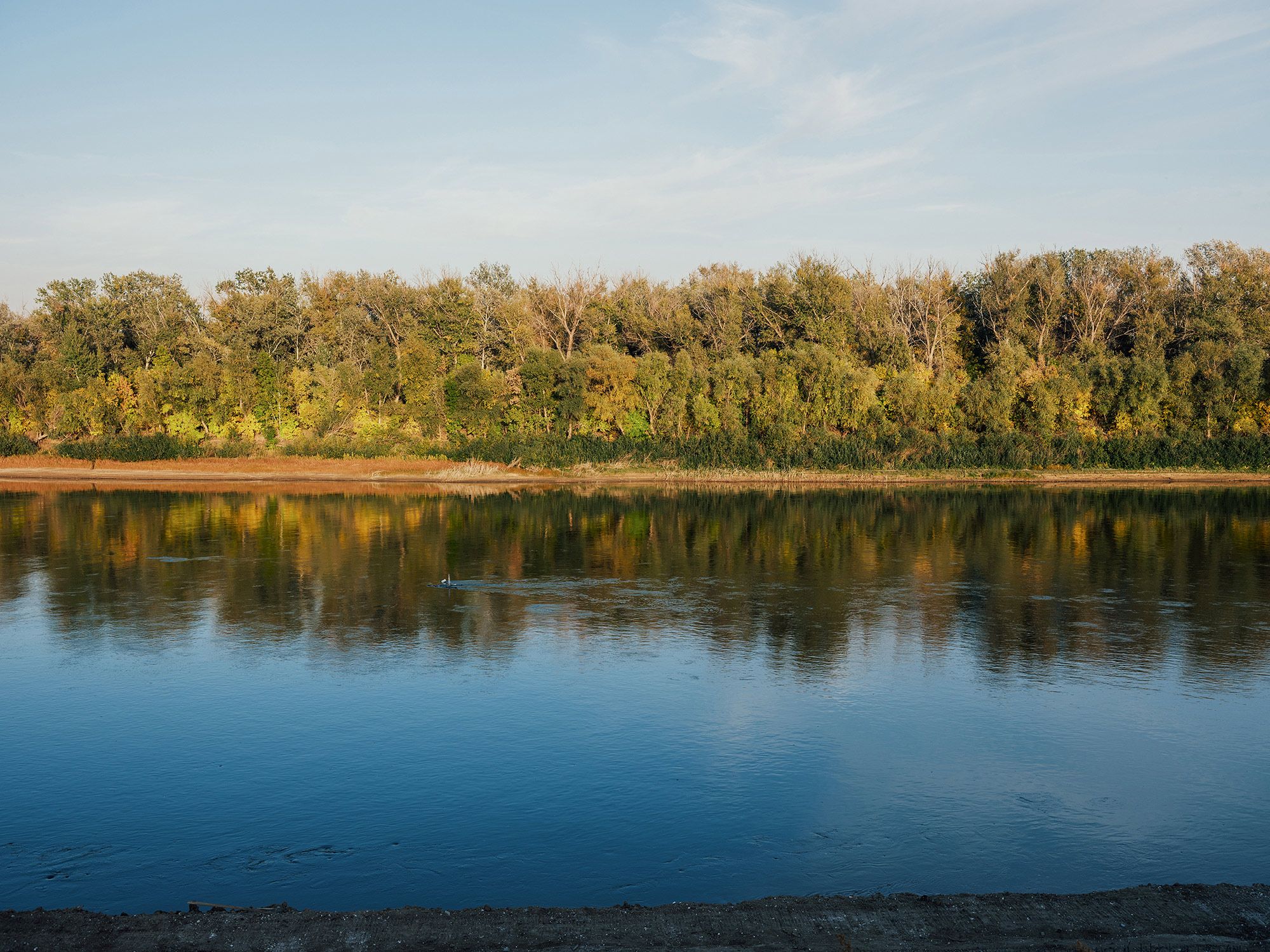
The Zhaiyq River (Ural, formerly Yaik) — the geographical border of Europe and Asia, formerly the border between the Russian Empire and the Great Steppe. View from the right — the “European” bank to the left — the “Asian”
The political situation in the Great Steppe at that time was a constantly shifting balance of power among the peoples inhabiting it — Kazakhs, Dzungars (western Mongols), Yaik Cossacks, Bashkirs, Karakalpaks, as well as the Central Asian khanates and the empires creeping in from different sides — Qing China, Afsharid Persia, tsarist Russia, and the geographically distant but spiritually and politically close Ottoman Turkey. All these actors maintained relations with one another — they fought, made peace, formed alliances, broke them, fought again, made peace again, traded, but never fully trusted one another. The Russian Empire tried to play on this mistrust.
Moscow’s first diplomatic contacts with the Kazakhs date back to the 1570s and 1580s and were linked to Moscow’s rapid expansion into Siberia and the Lower Volga region. For “convenience” (so as not to confuse them with the Cossacks), the Russian bureaucratic usage закрепила the invented name “Kirghiz-Kaisaks” for the Kazakhs, which was used until the 1920s.
In 1722 Peter I formulated the idea of the need to bring the Kazakhs into Russian citizenship in order to secure their loyalty for expansion into Central Asia. The basic doctrinal documents that finally formulated the goals and tasks of Russian colonization not only of Kazakh lands but of all Central Asia were prepared, based on the results of their expeditions and diplomatic dealings, by Russian figures Kutlu-Mukhammed Tevkelev and Ivan Kirillov. The latter, among other arguments in favor of expansion, cited the Spanish and Portuguese colonization of America and the Dutch seizure of colonies in India as examples. Thus an important shift took place in imperial policy — instead of defending against predatory raids by neighbors, it itself moved to conquest and expansion.
The principles of the peaceful and evolutionary co-optation of the Kazakh nobility, and then of the nomadic common people, for the purpose of later turning them against one another and establishing Russian hegemony, were formulated in the 1740s by the Orenburg governor Ivan Neplyuev. Russia offered the Kazakhs economic aid in exchange for accepting Russian citizenship, in particular grain, gifts to khans in the form of expensive clothing, jewelry, and other symbolic trinkets, and military protection. However, while grain and jewelry were gladly accepted and cost the empire nothing, military protection, and both sides understood this, Russia was unable to provide, and therefore could not fully subjugate the Kazakhs.
But the Russian authorities had another trick: they tried to entice the Kazakh khans with the strengthening of one-man rule. After all, the nomads did not have a rigid power hierarchy: the khan’s authority was limited and was not automatically inherited; it had to be earned: khans were elected by the heads of clans. The khans liked to use this as a plausible excuse when they did not want to carry out some Russian whim: supposedly, “khan” was only a title, the Kazakh people were free, they did what they wanted, and I had no say over them. Strengthening the khan’s power — a convenient way for the metropolis to subjugate free and stubborn nomads, so that they would be ruled by one “understandable” khan appointed by and loyal to the metropolis — was what Russian diplomats “sold” to the khans under the guise of an appeal to civilization. They would say, the way you organize power is child’s play, it needs to be strict, like for adultsIt was precisely this kind of argument — about adults and children — that the Orenburg governor Dmitry Volkov used during Nuraly Khan’s visit to Orenburg in 1763..
***
The first Kazakh ruler to decide to draw closer to the Russians was Abulkhair Khan (1693–1748) — the leader of the Junior zhuzKazakh society traditionally consisted of three zhuzes or tribal unions (zhuz — literally “hundred”) — the Junior (Western Kazakhstan), Middle (north and center), and Senior (southeast). This division continues to affect Kazakhstan’s socio-political life today.. His son and successor Nuraly Khan (1710–1790) had already in effect received his title from Russian hands and continued the course of rapprochement with the empire, which drew accusations of betrayal and corruption from the people and the nobility, especially in the neighboring Middle zhuz. St. Petersburg arrogantly saw in these internal conflicts only an opportunity to continue pitting different political-tribal groups against each other, believing that this would strengthen its influence and ultimately make all Kazakhs subjects of the emperor. The tactic did not produce results: mutual raids — mainly between Kazakhs and Yaik Cossacks, plunder, internal strife, mutual treachery, and intrigue continued. Both sides suffered losses, and the nomads did not become more loyal to the empire: arrogance, encroachment on independence, and interference in internal affairs were then perceived exactly as they are today — negatively.
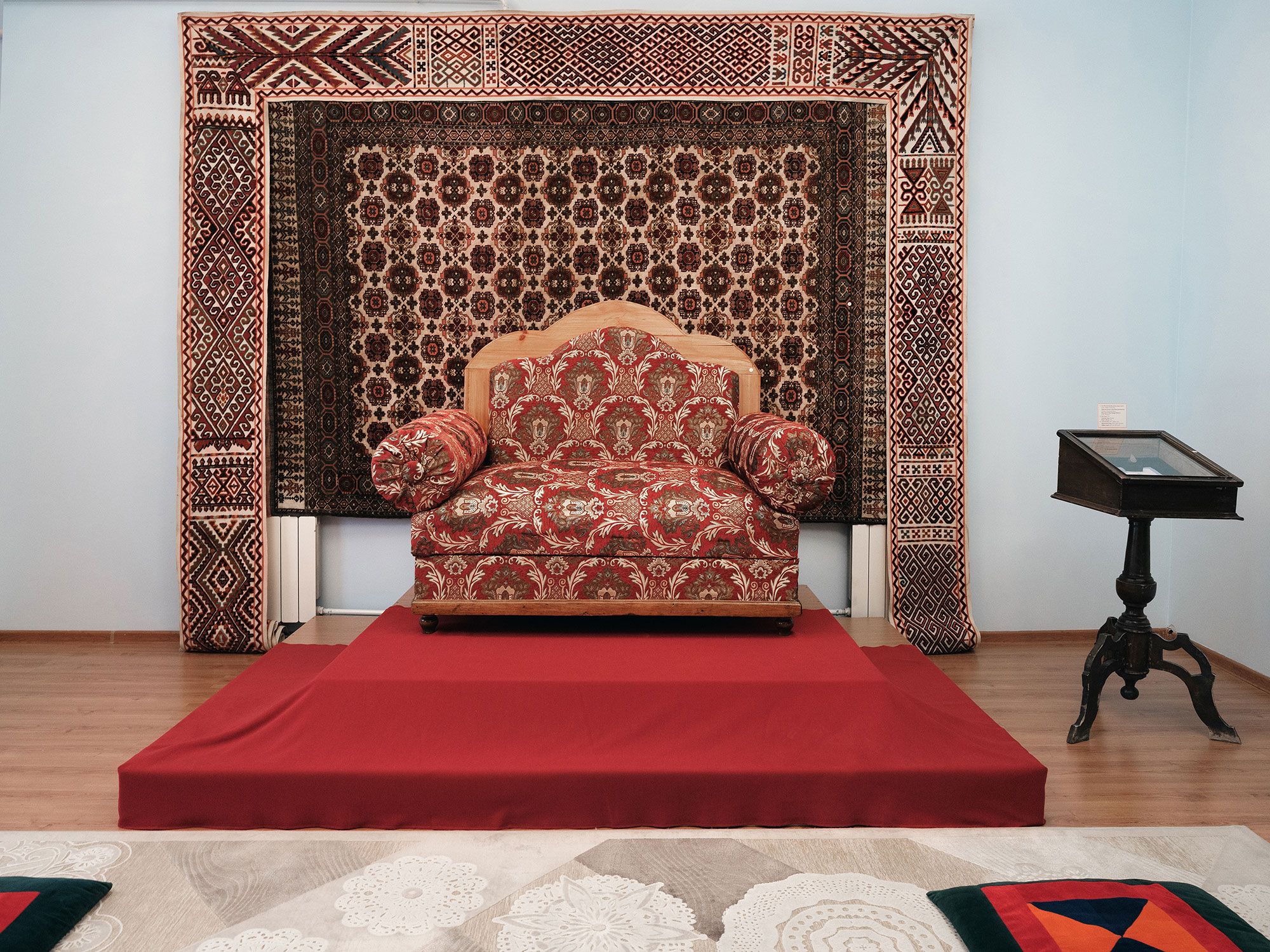
Khan throne, historical replica in the Bokeyorda museum-reserve
Russian failures in the Kazakh direction led to fluctuations in policy, which changed along with the views of the tsarist governors: the desire to cut the Gordian knot of problems with blunt military force, which manifested itself, in particular, in inciting the Yaik (Ural) Cossacks against the Kazakhs, was replaced by a more moderate and conciliatory approach. By the very end of the 18th century, the view prevailed that in order to finally subjugate the Kazakhs and absorb the territory of the Steppe, the zhuzes had to be divided into several parts and the nomads encouraged to adopt a sedentary way of life. One of the first decisions of the new course was to lift the ban on Kazakhs crossing the Ural River (formerly the Yaik) westward.
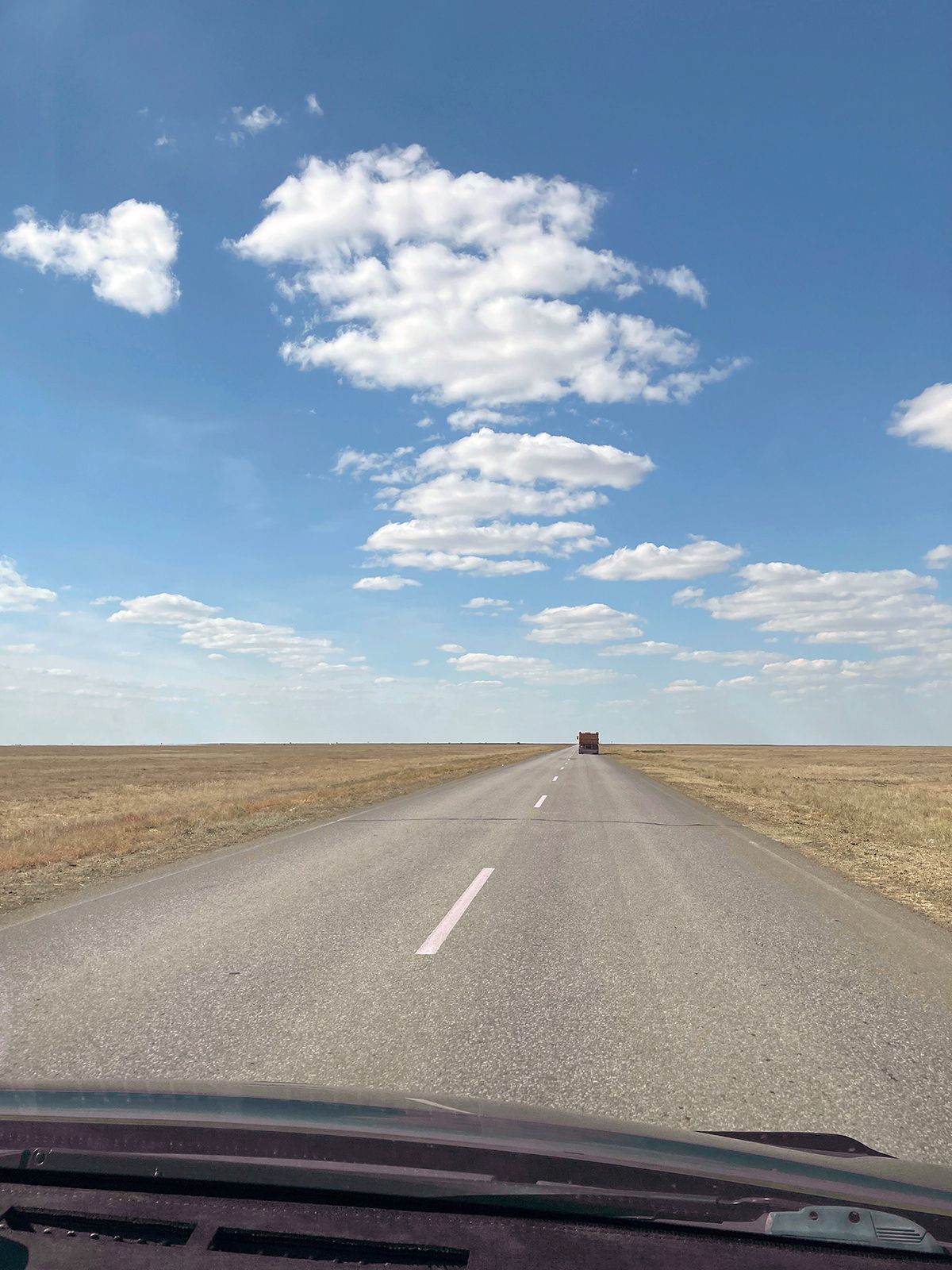
Road to Khan Ordasy
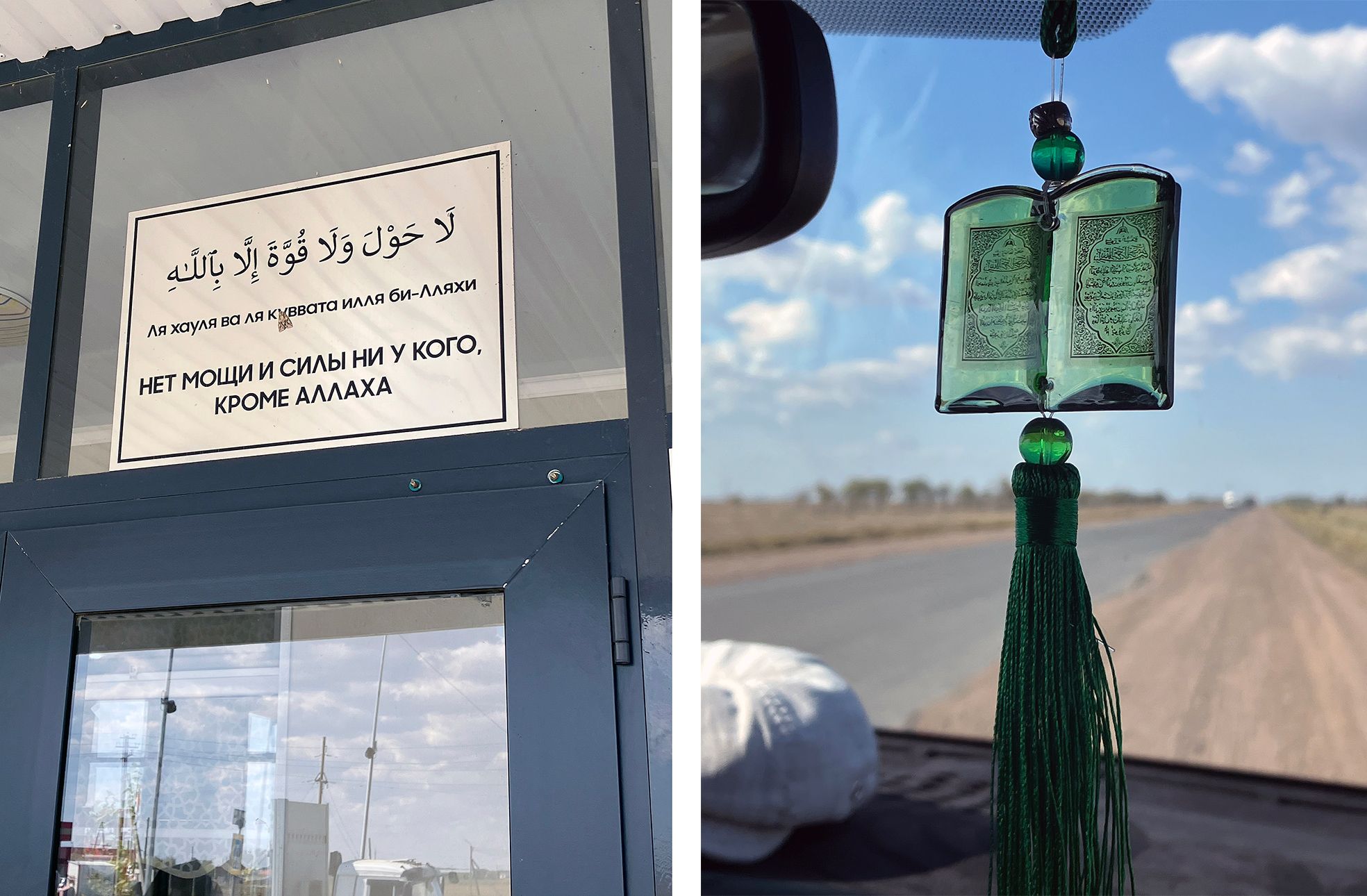
The long prehistory is like the long road to the Bukey Horde: more than five hundred kilometers across a completely flat and almost uninhabited steppe. Without your own car, the only way to get to the former capital of the Bukey Horde, the settlement of Khan Ordasy — from UralskFifty kilometers from Urda lies the district center of Saykhin (Saykhy) — the westernmost settlement in Kazakhstan and the eponymous railway station on the Volga Railway belonging to the Russian Federation, but passengers are not allowed to disembark from Russian trains passing through Saykhin in transit. Only local residents may cross the border here. (the former Yaik town, in Kazakh Oral). There is no regular public transport, however. There is only a phone at the bus station in Uralsk, where you can arrange a ride and get into a car going your way — people travel between Uralsk and Khan Ordasy almost every day one way or another. If the driver suddenly cannot make it, he will find someone to replace him. That is how we met Asylbek, “in civilian life” — the owner of hundreds of cows, horses, and camels, who on a clear September morning in 2025 picked me up in Uralsk in his air-conditioned Toyota to take me almost for free to his native Urda. He, like many locals, continues to call his settlement exactly that — UrdaOn Google Maps the settlement is marked as Orda, on Yandex Maps — as Khan Ordasy., although its official name — Khan Ordasy (translated as the Khan’s Headquarters) — it has borne for twenty years.
Left: inscription above the door of a roadside diner. Right: amulet in Asylbek’s car on the way to Khan Ordasy
After the pro-Russian ruler of the Junior zhuz, Nuraly Khan’s son Yesim Khan, was killed in 1797 by the leader of the anti-Russian faction, Syrym Datuly, a new khan became Sultan Aishuak — Yesim Khan’s uncle, the younger son of Abulkhair Khan. Another son of Nuraly Khan — Sultan Bukey (1742–1815) — also claimed the khan’s title at the time, but he lost the struggle for power. The ambitious Bukey was offered another way to draw closer to the Russian authorities, and he agreed. In 1801, together with the five thousand families of nomads under his authority, he crossed to the right bank of the Ural (formerly the Yaik) with the permission of Paul I and created there from scratch and under Russian control his own vassal state, which was named after him the Bukey Inner Kyrgyz Horde. It was called Inner because it was located on “this” side of the Ural, that is, on territory already considered Russian. For this, Paul awarded Bukey a gold medal with his own portrait, which he ordered to be worn around the neck on a black ribbon. For the operation of “pacifying” and bringing the Kazakhs into Russian citizenship, Bukey, by the same decree — apparently to save paper, though in fact to show both sides their true place — Paul promoted the commander of the Astrakhan Cossack regiment, Pavel Popov, to major general. It was Popov who negotiated with Bukey about the relocation of part of the Kazakhs beyond the Ural. In 1812 Bukey swore allegiance to the Russian tsar near Uralsk and was proclaimed khan. From his fellow tribesmen — the other clans of the Junior zhuz — Bukey was physically separated by the lands of the Ural (formerly Yaik) Cossack Host, whose fortified settlements were located precisely along the right bank of the Ural from Uralsk to the Caspian. The trap had snapped shut.
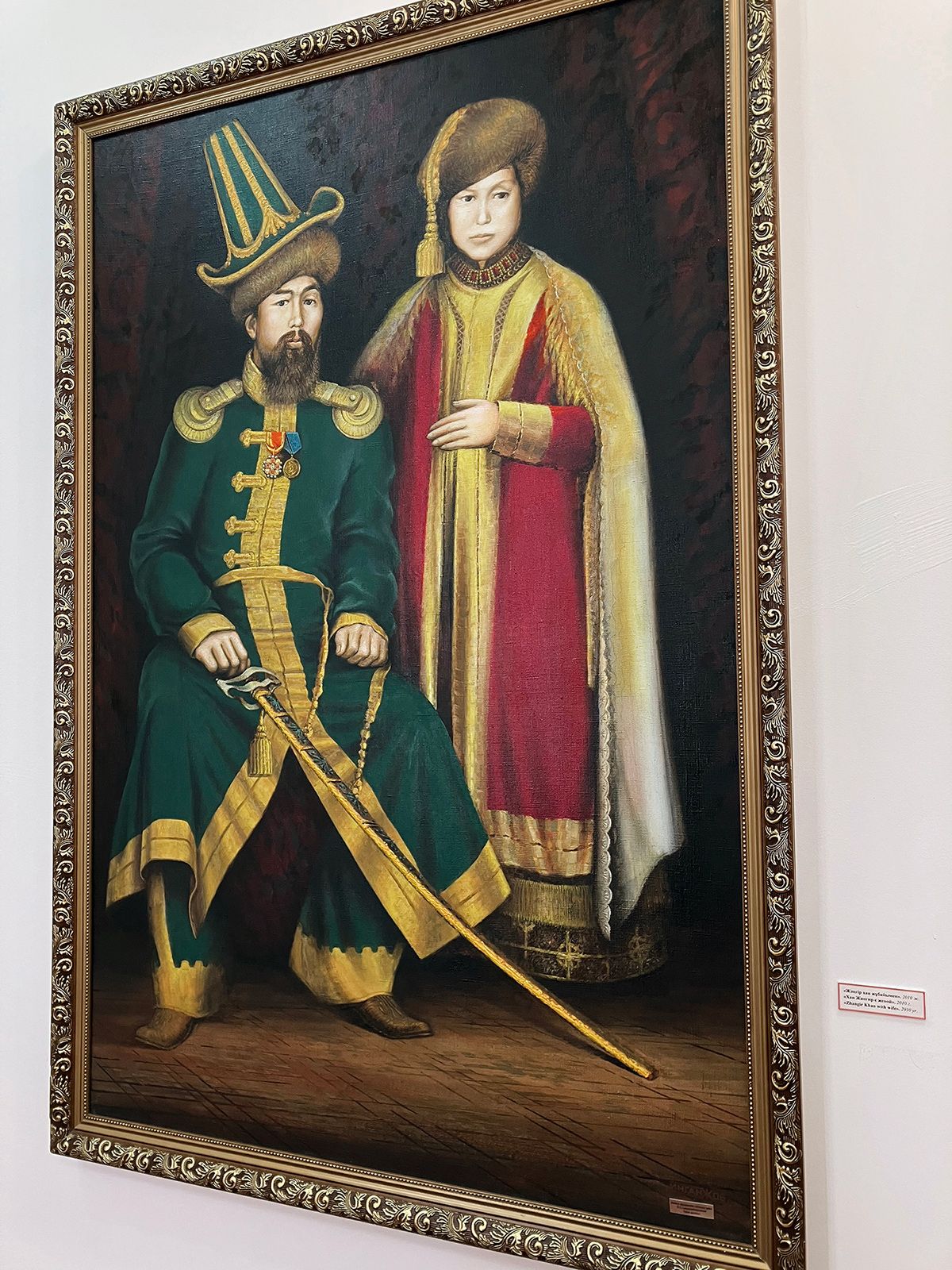
The founding father, who gave his name to the new state, did not live to see the fruits of his fateful decision. In 1815 he died, and since the heir he had appointed, Khan Zhangir (1801–1845) — the very one seen by the hero of The Enchanted Wanderer — was still too young, until 1823 the Bukey Horde was in fact ruled by Bukey’s brother, Sultan Shigai. By his father’s will, Zhangir was raised in the family of the Astrakhan governor Stepan Andrievsky, and it was the grown-up Zhangir, having received full khanly power, who began to implement reforms that were considered “progressive” both then and in Soviet times, but in essence закрепляли the dependent position of the region’s Kazakhs. In 1827 the capital of the Bukey Horde was founded, logically named the Khan’s Headquarters — the first sedentary Kazakh settlement in this part of Kazakhstan. The Khan’s Headquarters became a symbol of the new bet by part of the Kazakh nobility on a gradual transition to sedentary life and submission to the Russian authorities. Around then an important psychological change also took place: part of the Kazakh leaders decided to renounce not only their independence but also their nomadic identity, inwardly as if agreeing with the theses about the “wildness” and “backwardness” of their people, which the “civilizers” from the Russian bureaucracy had convinced them of.
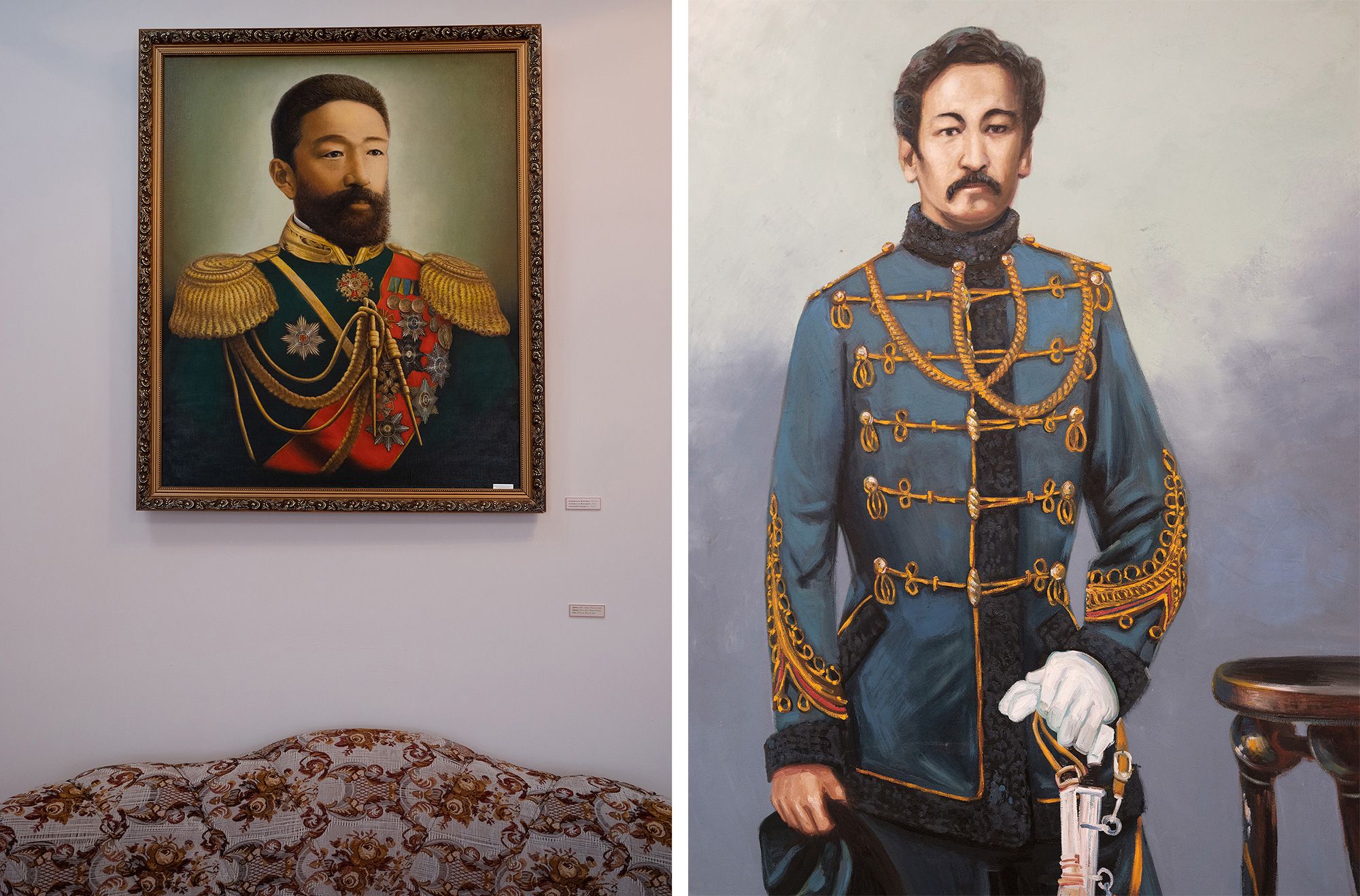
Portrait of Khan Zhangir with his wife Fatima-Khanym, daughter of the Tatar mufti Mukhammedzhan Husainov (1756–1824), a prominent diplomat whom the Russian authorities repeatedly sent to negotiate with the Kazakhs and persuade them to accept Russian citizenship. A painted reproduction by a contemporary artist based on a 19th-century photograph in the Bokeyorda museum-reserve exhibition
Thus, having received yet another gift from the tsar’s hands — “a tiara, a necklace and earrings made of the finest Brazilian topazes” — Khan Zhangir’s wife, the “loyal subject khansha” Fatima-Khanym, though she was Tatar by origin, clearly with her husband’s consent wrote in a letter of thanks to Empress Alexandra Feodorovna dated June 14, 1829: “I cannot find words with which, in the ecstasy of reverent gratitude, I may offer worthy thanks to the Most Merciful Tsarina and Benefactress. Is it possible, August Sovereign, that Your Majesty would deign to remember an unknown and semi-wild Kirghiz-Kaisak khansha? In our desert steppes, together with my husband and our people, having in this royal gift a pledge of Your Imperial Majesty’s benevolent and eternally glorious attention to the Kirghiz, we shall not cease, from the depths of our moved hearts, to send up prayers to the Almighty for the preservation of the most precious Person of the Most Merciful Monarch!”
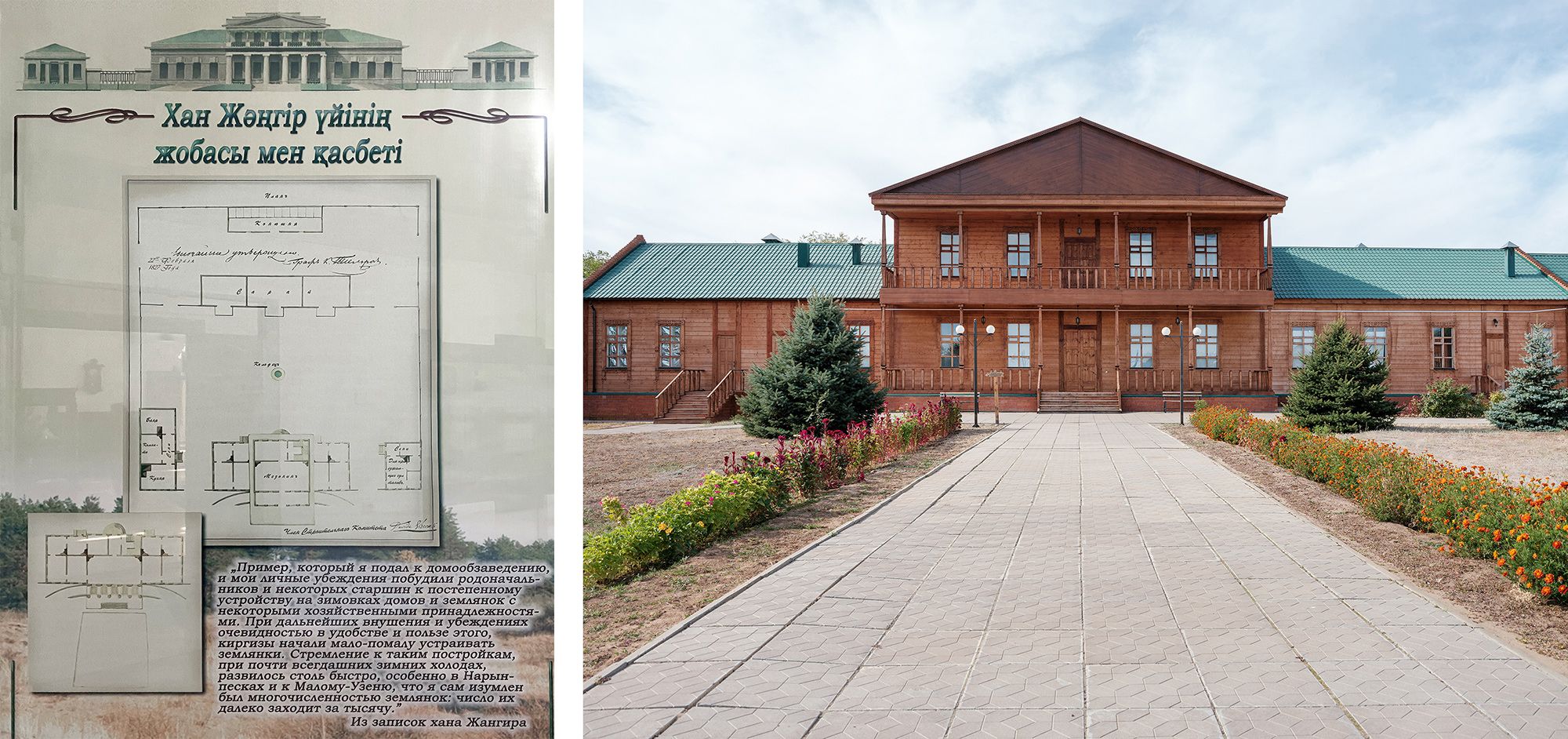
Left: the original design of the khan’s palace and a quotation from Zhangir Khan’s notes on the transition of the Kazakhs to sedentary life, an exhibit of the Bokeyorda museum-reserve. The palace was built of wood, faced with brick, and plastered. In the 20th century only the eastern wing of the palace survived, and in 2010 it was partially reconstructed (right).
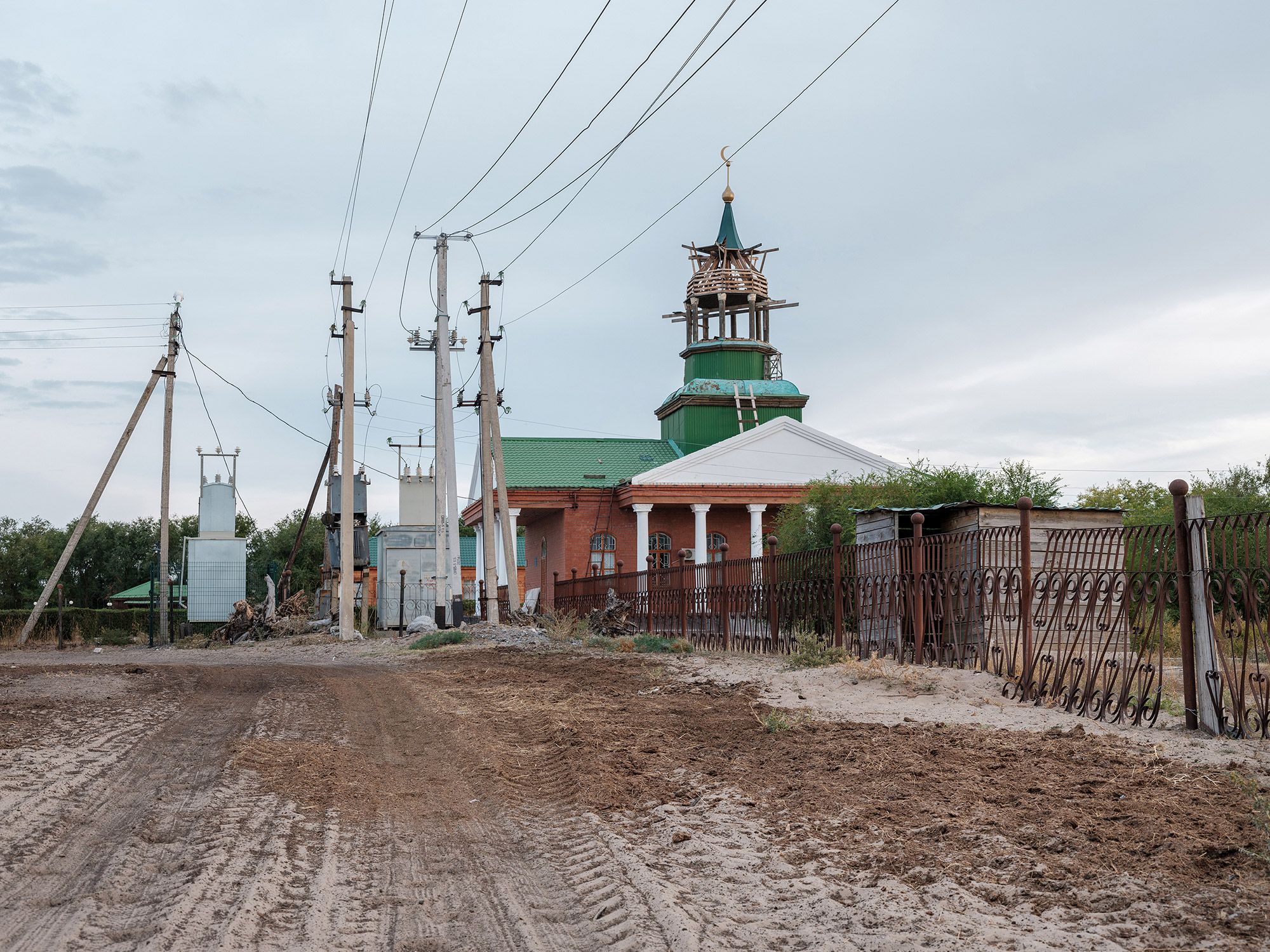
During his rule, Khan Zhangir became a major general of the imperial army, a knight of the Order of St. Anna, 1st degree, and an honorary member (sic) of Kazan University; he built in the Khan’s Headquarters his palace with 23 rooms, a Russian-Kazakh school, the khan’s mosque with elements of the then-fashionable classicism, a pharmacy, a hospital, a printing house (where the first newspaper in the Kazakh steppes, called Kazakhstan, began to be published), and other institutions, compactly arranged around the palace and giving the new settlement a solid, state-like appearance. The collection of weapons and dynastic relics kept in the khan’s palace became the first museum in Kazakhstan. Zhangir also organized postal service, smallpox vaccination, and the drilling of artesian wells in the Horde.
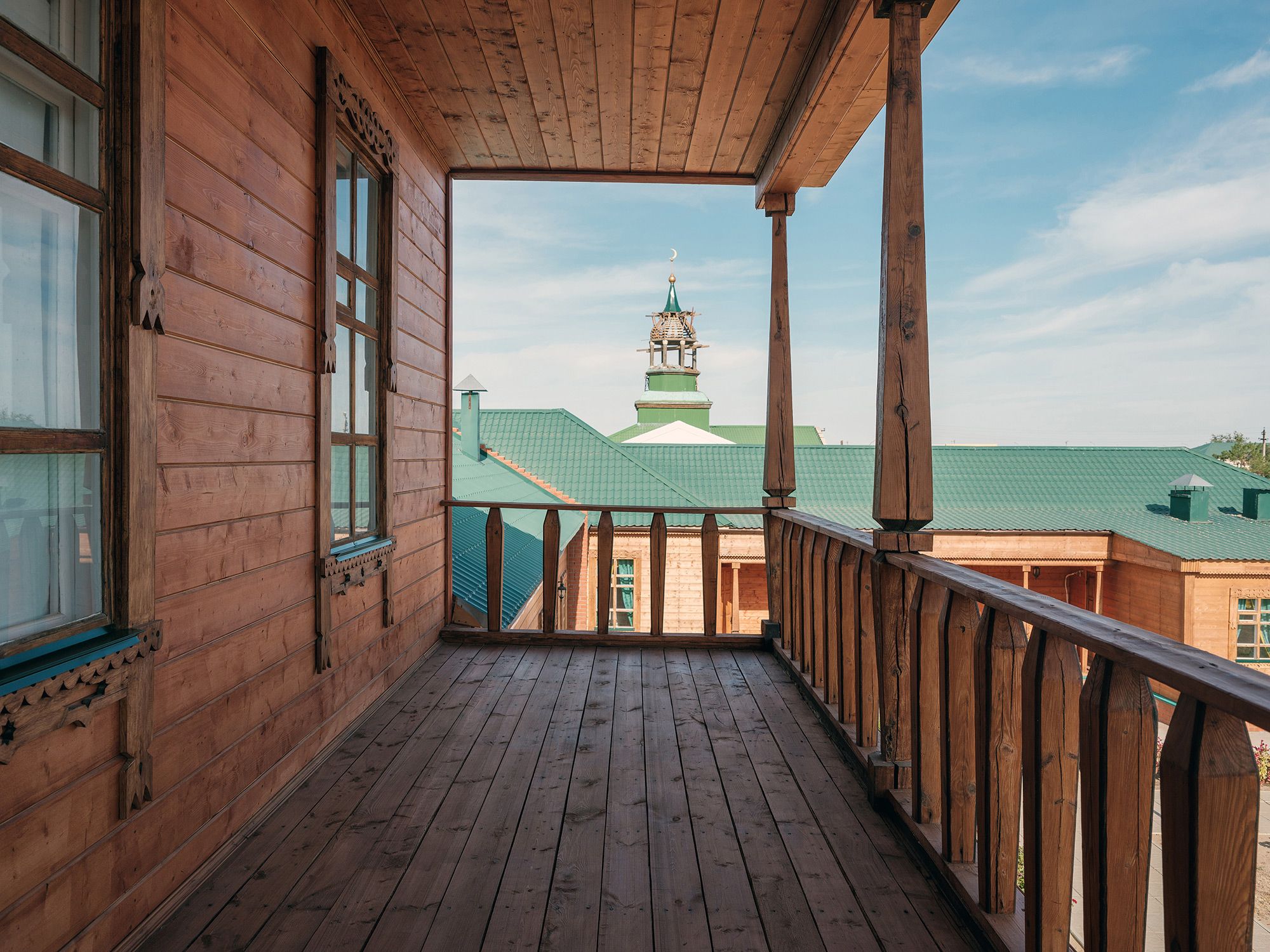
Khan Mosque (1835)
In addition to the symbolic, visible attributes of his vassal statehood, Khan Zhangir also paid attention to structural reforms that completely changed the society under his control. In short, instead of the decentralized principles of forming khan power, which depended on the opinions of the tribal aristocracy, he established an absolutist regime on the Russian-European model. Instead of common ownership of pasture land, private property was introduced: the khan began distributing land to his close associates and to himself, carried out a judicial reform based on Russian law, carried out a tax reform that allowed him to grow richer himself and send more taxes to the Russian authorities, and established an annual fair. Many of these measures caused discontent among the people, especially the redistribution of land and the reform of legal proceedings.
As a result, in 1836 the poorest nomads in the Bukey Horde rose up in rebellion under the leadership of the elder of one of the Kazakh clans, Isatay Taimanuly, and the court poet of Khan Zhangir, Makhambet Utemisuly. Khan Zhangir, naturally, suppressed the uprising with the help of the Russian regular army.
***
The end of even the nominal statehood of the Bukey Horde came after Khan Zhangir’s death in 1845. Five years earlier, with the permission of Tsar Nicholas I and without any consultation with his own sultans, Zhangir had appointed his eldest son, Sahib-Kerey Khan, as his heir. When his father died, Sahib was only 15, so the Russian authorities insisted that Sahib first graduate from the Page Corps in St. Petersburg. Two years later the tsarist government allowed the khan’s heir to return home, but on the way he died in the steppe. The circumstances of his sudden death are still unknown. Zhangir Khan’s three other sons — Ibrahim Bukeyev (1833–1865), Akhmetkerey Bukeyev (1834–1914), and Gubaidulla Zhangirov-Chingiskhanov (1841–1909) — were then too young to claim the khan’s throne, while Russia was interested in exactly the opposite — the overthrow of the khan’s dynasty and the final absorption of the Bukey Horde.
Zhangir Khan’s sons — left: cavalry general, major general of the Imperial Suite Gubaidolla Zhangirov, also known as Gubaidulla Janggerovich Chingiskhan (1841–1909), participant in the Russo-Turkish War; right: Ibrahim Janggerovich Bukeyev, also known as Ibragim-Girey Janggerovich Chingis (1833–1865), colonel of the Life Guards Hussar Regiment. Contemporary painted reproductions from 19th-century photographs in the Bokeyorda museum-reserve exhibition
All of Zhangir Khan’s sons made military careers, were elevated to Russian noble status — receiving the title of princes of Chingis — but were permanently removed from the governance of the Bukey Horde. Having gotten rid of the khan and his heirs, the tsarist government liquidated the Bukey Horde, incorporating it as an ordinary administrative unit first into the Orenburg and then the Astrakhan governorates. For some time the Horde was governed by a Temporary Council headed by the Russian military governor with the participation of Zhangir Khan’s brother, Sultan Adil Bukeykhanov (also Adil Bukeyev), but then this institution too was abolished.
View from the balcony of the khan’s palace toward the Khan Mosque, Khan Ordasy
Paradoxically, the creation of the Bukey Horde, fully controlled by St. Petersburg, prolonged the formal existence of the institution of khan power in western Kazakhstan by a couple of decades. In the Junior and Middle zhuzes neighboring Zhangir Khan’s possessions, the tsar simply abolished the khan’s title back in 1822–1824. As compensation, the khans were offered a move to Orenburg, were given honorary titles and pensions. The most geographically distant Senior zhuz lasted independently longer, but it too was finally absorbed by the empire in the 1860s. Meanwhile, the interfluve of the Volga and the Ural turned from an unstable imperial frontier into a relatively calm rear area for Russia’s further conquest campaigns in Central Asia.
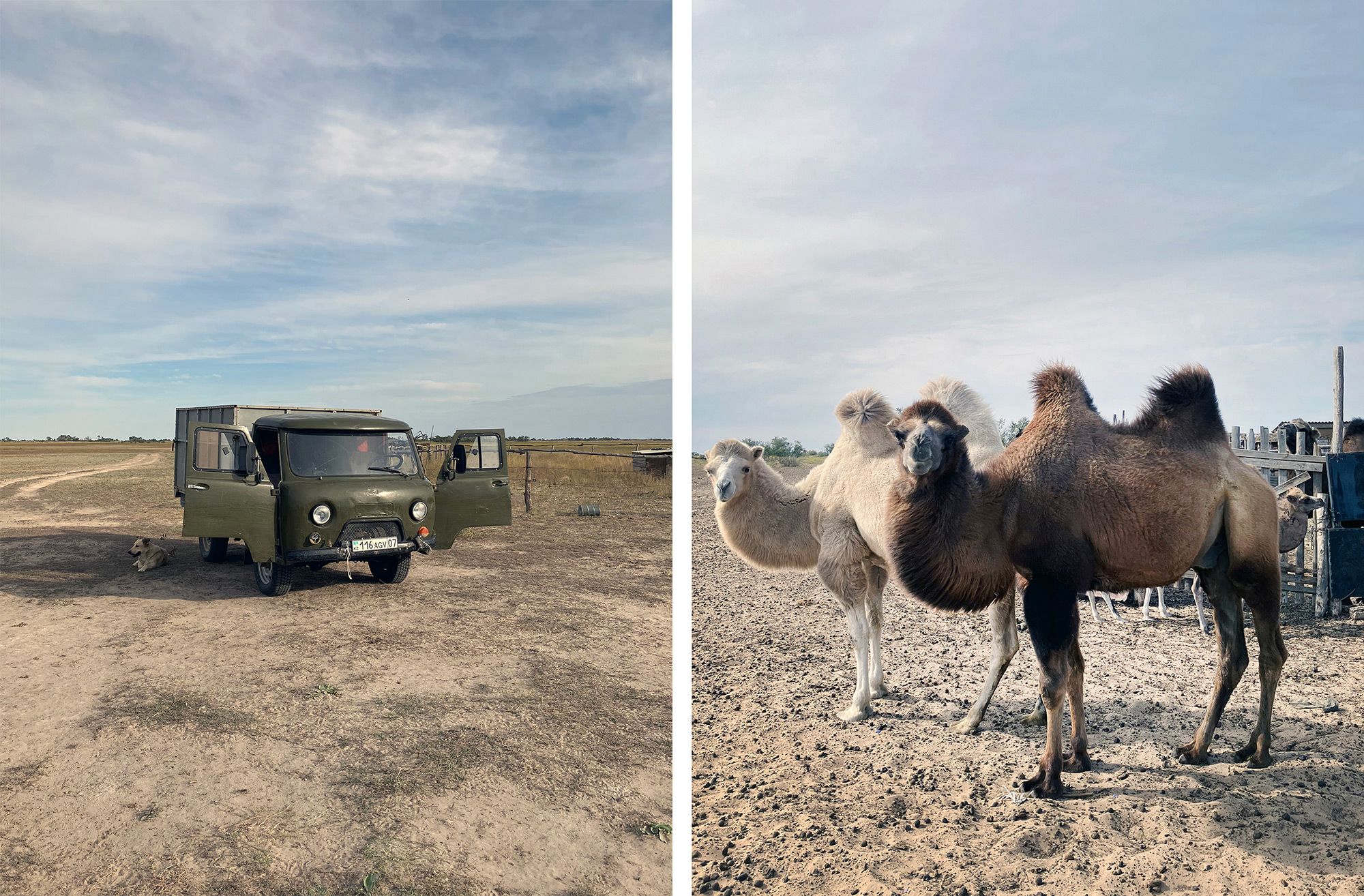
In the Ryn Sands in Asylbek’s domain. In his UAZ, Asylbek gets to his livestock camp, located about 10 km from Urda, and drives around the steppe when he needs to catch escaped cattle, but he goes to Uralsk in a modern Toyota. Today an average camel in Kazakhstan costs from 1,000,000 to 1,500,000 tenge (1800-2700 euros).
While we were driving with Asylbek to Urda, he told me a little about his life. It turned out that his family was directly affected by Soviet nuclear tests — the press wrote a lot about their harmful consequences for the lives and health of the region’s residents. Press. Asylbek’s wife died of cancer at forty, and his daughter, who lives in Uralsk, has been disabled since childhood. Asylbek lives alone in Urda and is always glad to have fellow travelers and guests; he invited me to come next year — to travel around Kazakhstan. Traveling through this huge country is akin to ocean cruises — only instead of water you are surrounded by the boundless Dasht-i-Kipchak — the Great Steppe, in Kazakh Ұлы дала.
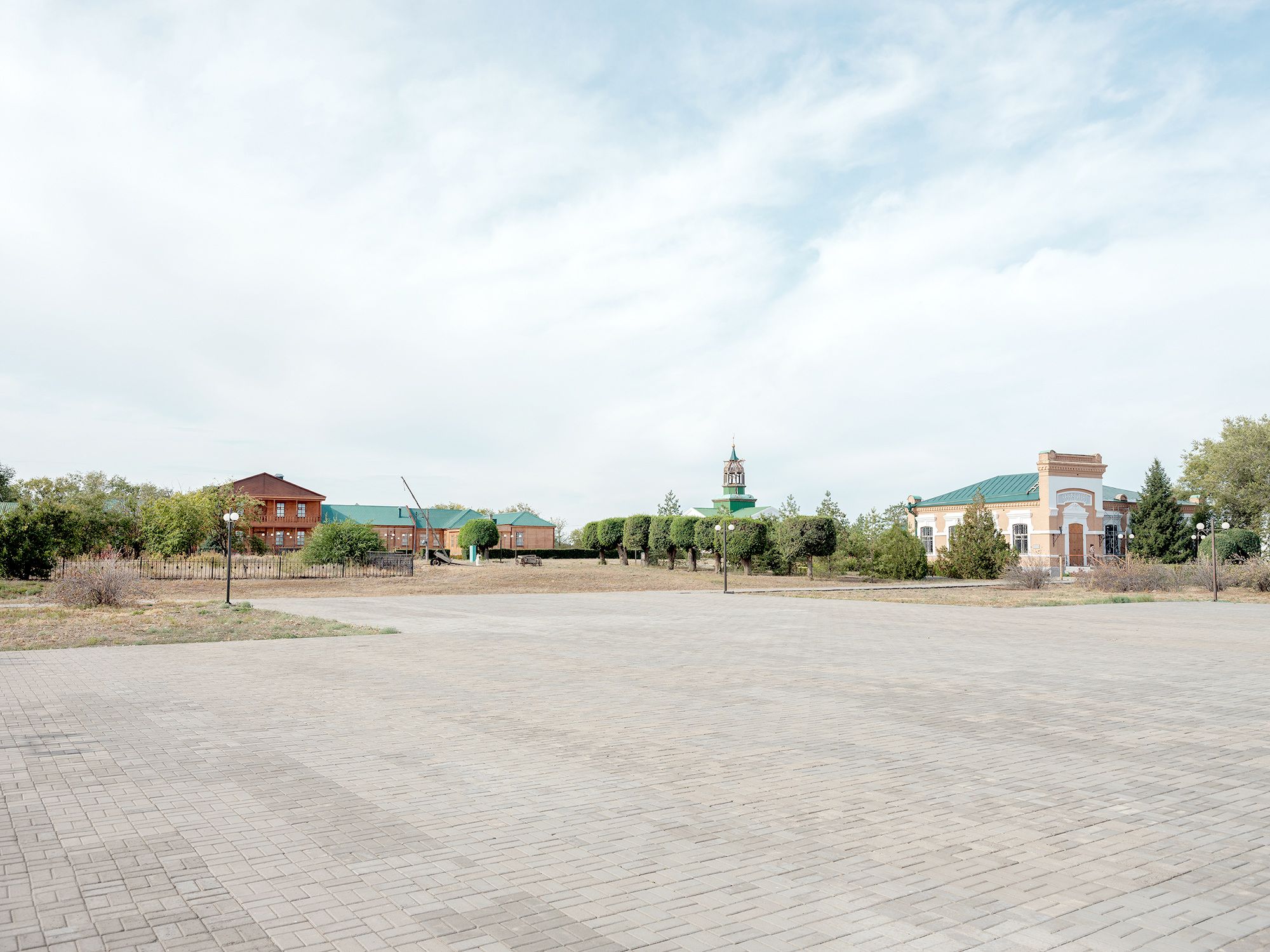
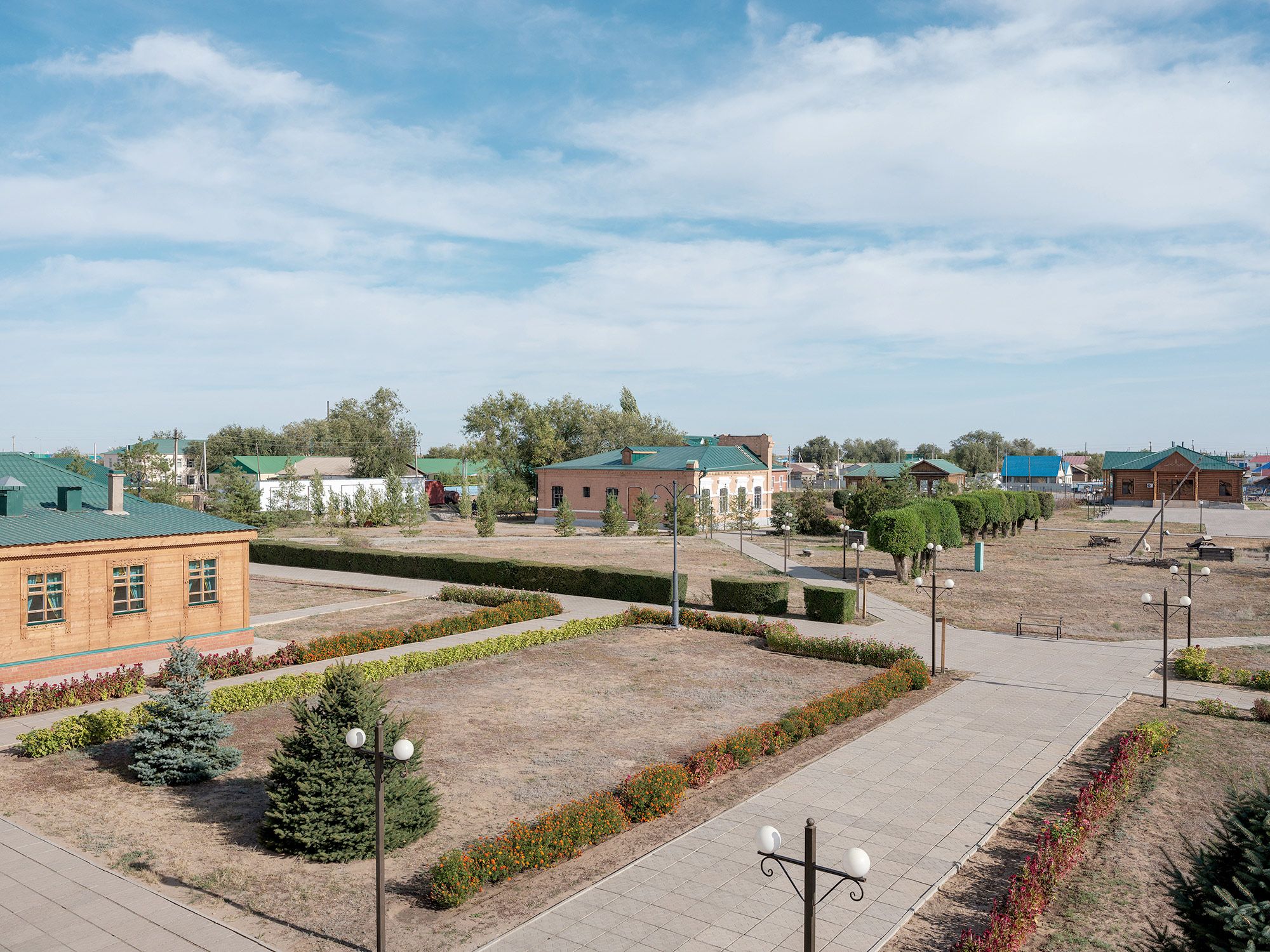
Buildings of former institutions of the former Bukey Horde
Thirteen buildings of the former institutions of the former Bukey Horde have mostly survived, and today here — in the settlement with the old name, only translated into Kazakh — the Bokeyorda museum-reserve operates with a very instructive exhibition — instructive, among other things, because it shows how independent Kazakhstan relates to this not very well-known and not very easy to interpret page of its history. In short, everything is phrased so as not to offend one very touchy “historian”, who will never come here and has probably never even heard of these places. The main underlying idea of the exhibition seemed to me to be this: an overly independent and critical view of national history in the conditions of proximity to an aggressive nuclear empire is dangerous, given that it still considers neighboring countries not equal neighbors but vassals, and continues to test ballistic missiles on the territory of one such neighbor — Kazakhstan — which then fly to another neighbor — Ukraine.
The author thanks DialogburoVienna for help organizing the trip
If you enjoyed this article, consider making a donation — one-time or, even better, monthly. Your support helps us motivate our authors and become better with every article.
Our organization is recognized by the Internal Revenue Service (IRS) as a 501(c)(3) tax-exempt, charitable organization, which means that all contributions made to us are tax-deductible to the fullest extent permitted by U.S. law. Individuals may generally deduct charitable contributions of up to 60% of their Adjusted Gross Income (AGI) for cash donations made to qualifying 501(c)(3) organizations. For donations of appreciated assets (such as stocks or other long-term capital assets), the deduction is typically limited to 30% of AGI, based on the fair market value of the asset. C-corporations may deduct charitable contributions of up to 10% of their taxable income for donations made to eligible charitable organizations.
By submitting a donation, you confirm that you have read and accept the following documents: Privacy Policy and User Agreement, and also give consent to the processing of your personal data.
If you would like to unsubscribe from a monthly donation, please email us at: [email protected]